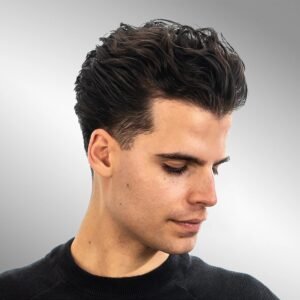
Hair loss can change the way a person feels about their appearance, and surgery is not the right answer for everyone. Some people want a fuller look without an operation, a long recovery, or a permanent change to their scalp. For them, non-surgical hair replacement can be a practical option. Hair Replacement in Dubai covers a range of systems and techniques that restore the appearance of a full head of hair without surgery, from custom hair systems to non-surgical density treatments.
The best choice depends on the pattern of hair loss, lifestyle, and how much maintenance a person is willing to do. This guide explains how hair replacement works, who it may suit, which clinics patients may wish to consider, how to choose a provider, and answers to common questions.
How Hair Replacement Works
Non-surgical hair replacement usually means a custom hair system: a light, breathable base made to fit the thinning area, with real or high-quality synthetic hair attached to it. The system is fitted and blended with the person’s own hair, so the hairline and density look natural. It is attached with a skin-friendly adhesive or tape and can be worn day and night, including while exercising or swimming, depending on the system and the advice of the provider.
The process begins with a consultation and a fitting. The provider measures the thinning area, matches the colour, texture and curl of the existing hair, and designs the hairline. The system is then made to order, which usually takes a few weeks, and fitted in a follow-up appointment. After fitting, the wearer returns regularly for maintenance: cleaning, reattachment and restyling, usually every few weeks.
Other non-surgical options include treatments that support existing hair, such as medical therapy or scalp treatments, which aim to slow further loss and improve the hair that remains. These are sometimes combined with a hair system. It is important to understand the limits: a hair system does not grow hair, it needs regular maintenance, and it must be replaced every several months as it wears. The result, however, is immediate — there is no waiting for growth, and the change in appearance is visible on the day of fitting.
A hair system suits people who want a fuller look without surgery, people whose donor hair is too limited for a transplant, and people who want to try a fuller look before committing to a permanent procedure. It also suits people with extensive hair loss who want a complete, even result. A good consultation will discuss all of these options honestly, including whether a transplant might be a better long-term choice.
How to Choose the Right Clinic for Hair Replacement in Dubai
Choosing a provider is one of the most important decisions in the process. The quality of the result depends on the skill of the team, the quality of the system, and the standard of aftercare.
Experience and Qualifications
The team fitting the system should have specific experience in hair replacement, including cutting, blending and fitting. Patients should ask how long the clinic has been providing hair systems, how many fittings they carry out, and whether before-and-after photographs of similar cases can be reviewed. A natural-looking result depends on a team that understands hairlines, colour matching and density.
System Quality and Design
Patients should ask what materials the system is made from, how the base is designed, and how the hair is matched to their own. A reputable provider explains its approach and why, and does not rush the decision. The design should be individual: the hairline, density and style should all be discussed before the system is ordered.
Safety and Scalp Health
A hair system sits on the scalp every day, so scalp health matters. Patients should disclose medical conditions, medication use, allergies, and any scalp conditions beforehand. They should also be told about the adhesives used, how the scalp is cared for under the system, and the signs that mean they should return sooner than planned.
Consultation and Assessment
A proper consultation should assess hair loss, scalp condition and lifestyle before any system is ordered. The provider may examine the scalp closely, discuss the patient’s daily routine, and consider whether a transplant or medical treatment might suit them better. This assessment matters most when expectations are high, because a realistic plan protects both satisfaction and scalp health.
Aftercare and Follow-Up
After fitting, patients should receive clear written instructions, including how to wash and style the system, what products to use, and when to return for maintenance. Regular servicing keeps the system secure and natural-looking. Patients should ask whether follow-up is included and how any concerns between visits are handled.
Expected Results and Limitations
The result is immediate, but a hair system needs regular maintenance and replacement every several months. It does not grow hair and does not stop further loss of the patient’s own hair. Patients should ask for a clear explanation of the ongoing commitment, including time and cost, before deciding.
Frequently Asked Questions
What is non-surgical hair replacement?
Non-surgical hair replacement is a custom hair system fitted over a thinning area to restore the appearance of a full head of hair. The system is made to match the wearer’s hair colour, texture and hairline, and is attached with a skin-friendly adhesive.
Will a hair system look natural?
When it is well designed and fitted, a hair system can look very natural. The hairline, density and colour are matched to the wearer’s own hair, and the system is cut and styled to blend in. Regular maintenance keeps it looking its best.
How long does a hair system last?
A single system usually lasts several months before it needs replacing, depending on the materials, how it is cared for, and how often it is worn. Most wearers replace their system two to four times a year.
Can I exercise and swim with a hair system?
Many systems can be worn during exercise and swimming, but this depends on the type of system and the adhesive used. Patients should follow the provider’s advice on water exposure and on how to care for the system afterwards.
Is hair replacement better than a transplant?
It depends on the person. A hair system gives an immediate result without surgery and suits people with limited donor hair, while a transplant gives a permanent result using the patient’s own hair. A good consultation will compare both options honestly before recommending one.
Conclusion
Non-surgical hair replacement is a practical option for people who want a fuller head of hair without an operation. When designed and fitted by an experienced team after a proper assessment, a hair system can look natural, feel comfortable, and restore confidence from the day it is fitted. The best outcomes come from realistic expectations, good maintenance, and honest advice about the ongoing commitment involved.
When exploring Hair Replacement, patients should prioritise experienced providers, quality systems, careful fitting, and thorough aftercare. With the right provider and a realistic plan, hair replacement can be a straightforward way to enjoy a fuller-looking head of hair.