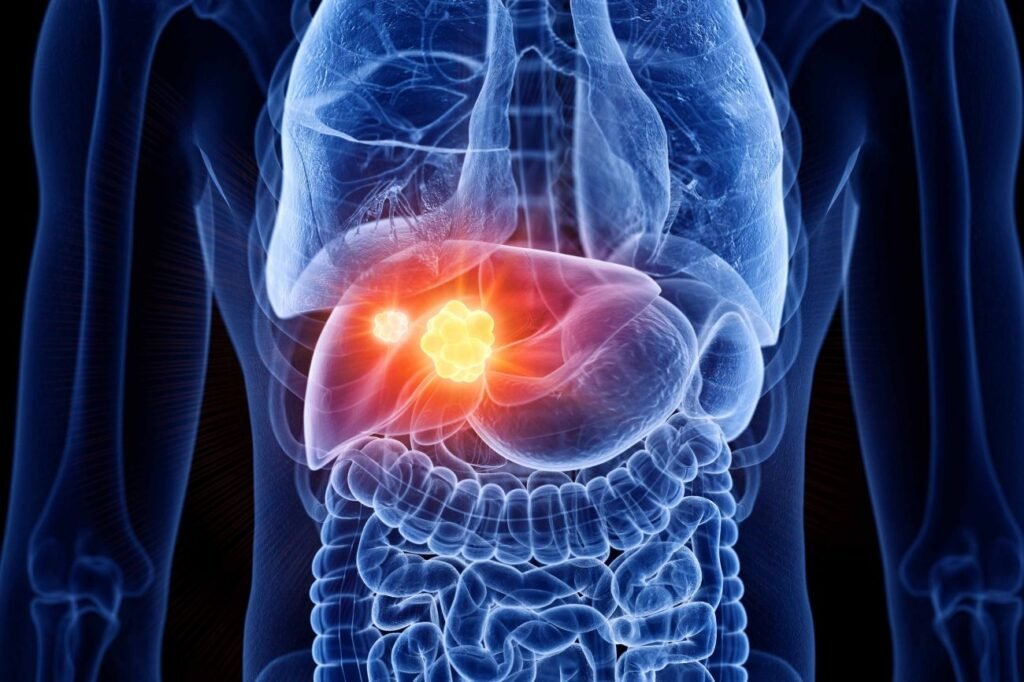
Your liver performs hundreds of essential functions every day. It processes nutrients, breaks down many medications, produces bile for fat digestion, stores energy, and helps regulate substances circulating in your blood.
Although the liver has an important ability to regenerate, ongoing damage can affect how well it functions. Conditions such as cirrhosis, viral hepatitis, and metabolic dysfunction-associated steatotic liver disease (MASLD), previously called nonalcoholic fatty liver disease, can lead to serious complications.
The five main ways to care for your liver are to limit alcohol, avoid harmful chemical exposure, prevent viral hepatitis, use medications and supplements carefully, and maintain healthy eating and physical activity habits.
1. Be Careful About Alcohol Consumption
Alcohol is processed mainly by the liver. Excessive drinking, whether over a long period or during repeated heavy-drinking episodes, can contribute to liver damage.
Alcohol-related liver disease may develop gradually, sometimes without noticeable symptoms in its early stages.
In the United States, a standard alcoholic drink contains approximately 14 grams of pure alcohol. This is equivalent to:
- 12 ounces of regular beer containing 5% alcohol
- 5 ounces of wine containing 12% alcohol
- 1.5 ounces of distilled spirits containing 40% alcohol
These measurements describe alcohol content, not amounts that are guaranteed to be safe.
According to the National Institute on Alcohol Abuse and Alcoholism, alcohol content varies significantly between beverages.
People with existing liver disease may be advised to avoid alcohol entirely. Anyone concerned about their drinking habits should discuss them with a healthcare professional.
2. Wash Produce and Avoid Harmful Chemical Exposure
Certain chemicals and environmental substances can damage the liver when exposure occurs at harmful levels.
Potential sources include some industrial chemicals, solvents, pesticides, and improperly handled household products.
Reducing unnecessary exposure is an important safety precaution.
Practical Steps to Reduce Exposure
- Wash fruits and vegetables under running water before eating.
- Read safety instructions on household cleaners and pesticides.
- Avoid mixing cleaning chemicals.
- Use protective equipment when handling hazardous substances.
- Keep chemicals in their original labeled containers.
- Store cleaning and gardening products away from food.
Washing produce helps remove dirt and reduce some surface residues, although it does not eliminate every possible contaminant.
The liver naturally processes many substances encountered through food and the environment. However, there is no established evidence that routine detox supplements remove environmental chemicals already stored in the body.
3. Prevent Hepatitis A, B and C
Viral hepatitis refers to inflammation of the liver caused by specific viruses. Hepatitis A, B and C differ in their transmission routes, potential long-term effects, and prevention methods.
Some infections resolve, while others can become chronic and contribute to serious liver disease.
Get Vaccinated When Recommended
Vaccines are available for hepatitis A and hepatitis B.
Vaccination recommendations depend on factors such as age, previous immunization, health status, occupation, and potential exposure.
There is currently no vaccine for hepatitis C, making screening and exposure prevention particularly important.
Practice Safer Habits
Hepatitis B can spread through infected blood and certain body fluids, including during sexual contact.
Hepatitis C spreads primarily through blood exposure, including sharing needles or other equipment that may contain infected blood.
To reduce exposure risks:
- Avoid sharing needles or personal items that may contain blood.
- Follow recommended precautions during sexual activity.
- Choose facilities that follow appropriate sterilization practices for tattoos and piercings.
- Follow healthcare recommendations for hepatitis screening.
Wash Your Hands and Follow Food Safety Practices
Hepatitis A commonly spreads through the fecal-oral route, including contaminated food or water.
Handwashing after using the bathroom and before preparing food is an important preventive measure.
People traveling internationally should also review vaccination and food safety recommendations for their destination.
4. Watch Out for Medications, Herbs and Supplements
The liver is involved in processing many prescription medicines, over-the-counter drugs, and herbal ingredients.
Some substances can cause liver injury, particularly when taken in excessive amounts or combined with other products.
For example, taking too much acetaminophen can cause serious liver damage. Certain herbal supplements have also been linked to liver injury.
Check Medication Labels
Before taking medicines:
- Follow the prescribed or labeled dosage.
- Check whether multiple products contain the same active ingredient.
- Avoid combining medicines without reviewing possible interactions.
- Ask a pharmacist about medications that may affect the liver.
- Never exceed recommended doses without medical supervision.
Review Herbal Supplement Ingredients
Herbal and dietary supplements are not automatically safe simply because their ingredients come from natural sources.
Ingredient amounts, product combinations, existing medical conditions, and medication interactions can all affect individual risk.
The NIH LiverTox database provides information about medications, herbal products, and other substances associated with liver injury.
Understanding Liver Supplement Labels
Some nutritional products combine several ingredients in one formulation.
For example, TNM Liver Support from Paragon Cleanse contains TUDCA, NAC, Milk Thistle, Zinc, and Selenium.
These are the product’s listed ingredients. Their inclusion does not establish that the supplement prevents liver disease, reverses liver damage, or replaces medical treatment.
People with diagnosed liver conditions, gallbladder problems, or those taking prescription medicines should consult a qualified healthcare professional before using such supplements.
5. Exercise and Eat Right
Diet and physical activity are important considerations for long-term health.
Excess body fat, insulin resistance, and certain metabolic conditions can contribute to the development of fatty liver disease.
However, fatty liver disease can also occur in people who are not overweight.
Choose a Balanced Diet
A balanced eating pattern may include:
- Vegetables and fruits
- Whole grains
- Beans and lentils
- Fish, poultry, and other protein sources
- Nuts and seeds
- Foods containing unsaturated fats
Limiting excessive added sugars, sugary drinks, and highly processed foods can also form part of a balanced eating pattern.
There is no single food that guarantees protection against liver disease.
Make Physical Activity Part of Your Routine
Regular movement helps maintain physical fitness and supports overall metabolic health.
Walking, cycling, swimming, and other suitable activities are practical options.
For many adults, public health recommendations include at least 150 minutes of moderate-intensity aerobic activity per week, alongside muscle-strengthening activities.
The appropriate activity level depends on individual health and physical ability.
Maintain a Healthy Routine
In addition to eating well and exercising, it is useful to:
- Maintain regular sleep habits.
- Attend recommended health screenings.
- Discuss unusual symptoms with a healthcare professional.
- Follow treatment instructions for existing medical conditions.
- Avoid unnecessary supplement combinations.
These habits are part of general preventive healthcare rather than a guaranteed method of avoiding every liver condition.
When Should You Speak With a Doctor About Liver Health?
Liver conditions do not always cause noticeable symptoms in their early stages.
When symptoms occur, they may include unusual fatigue, abdominal discomfort, yellowing of the skin or eyes, dark urine, or unexplained swelling.
These symptoms can have several causes and require appropriate medical assessment. Yellowing of the skin or eyes, confusion, or severe abdominal symptoms should be evaluated promptly.
A healthcare professional may recommend blood tests, imaging, or other investigations depending on your medical history and examination findings.
Final Thoughts
Caring for your liver does not require complicated cleansing routines.
Limiting alcohol, reducing harmful chemical exposure, preventing viral hepatitis, reviewing medication and supplement use, and maintaining balanced nutrition and regular physical activity are practical ways to approach liver health.
The liver already carries out important metabolic and waste-processing functions. Supplements should not be considered substitutes for those natural processes or for appropriate medical care.
For information about supplement ingredients and product directions, visit the official Paragon Cleanse website.
Disclaimer: This article is for general informational purposes only and does not replace professional medical advice. Dietary supplements are not intended to diagnose, treat, cure, or prevent liver disease or other medical conditions. Consult a qualified healthcare professional before using supplements, particularly if you have liver disease or take prescription medications.