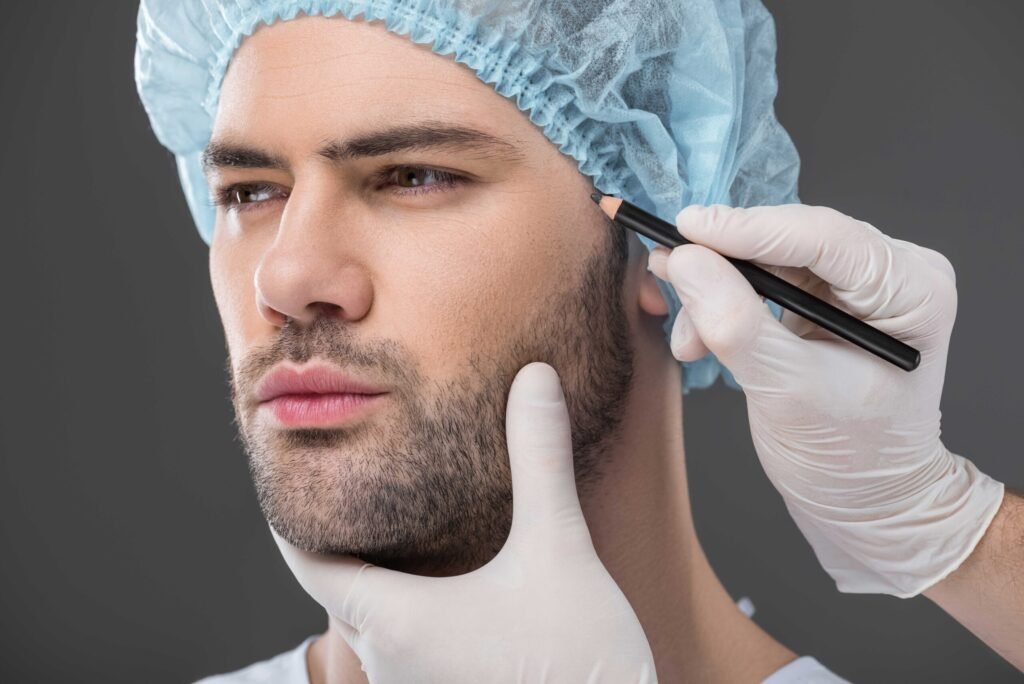
A thick, well-defined beard can enhance facial proportions and create a more balanced appearance. However, genetics, uneven follicular growth, scarring, hormonal factors, and previous injuries can contribute to patchy or insufficient facial hair. For men who want to improve beard coverage, a surgical restoration procedure may provide a long-term option. Beard Hair Transplant in Dubai is an increasingly considered solution for addressing sparse areas, filling visible gaps, and creating a beard pattern that complements individual facial features.
The procedure involves transferring healthy hair follicles, usually from the back or sides of the scalp, into selected areas of the beard. These transplanted follicles can subsequently grow facial hair, helping improve density in areas such as the cheeks, jawline, moustache, and chin. However, achieving a natural appearance requires more than simply increasing the number of follicles. Hair direction, angle, distribution, and graft selection all influence the final outcome.
Dubai offers access to established healthcare facilities and specialist aesthetic services where patients can discuss facial hair restoration. Choosing a suitable provider involves evaluating the surgeon’s experience, treatment planning, clinical standards, and aftercare arrangements. Understanding these factors can help patients make informed decisions about improving beard density while maintaining natural-looking facial proportions.
Understanding Beard Hair Transplant Procedures
A beard transplant generally uses follicular unit extraction (FUE), in which individual hair follicles are harvested from a donor area and implanted into areas with insufficient facial hair.
The treatment usually involves several stages:
-
Consultation: The specialist evaluates facial hair distribution, donor hair availability, skin condition, and the patient’s expectations.
-
Hairline and beard design: The intended beard shape, density, and direction of growth are planned according to facial structure.
-
Follicle extraction: Suitable hair follicles are collected from the donor area.
-
Implantation: Grafts are carefully placed into the recipient areas at appropriate angles and directions.
-
Recovery: Patients receive instructions regarding washing, activity restrictions, and follow-up appointments.
The procedure is usually performed under local anaesthesia. Initial redness, swelling, and small scabs can occur during recovery. Transplanted hairs may shed during the first few weeks before new growth gradually develops. Visible improvements generally take several months, with fuller results often developing over approximately 9–12 months.
Clinics Offering Beard Restoration Consultations in Dubai
Cocoona Clinic
Cocoona Clinic is a Dubai-based aesthetic and cosmetic healthcare provider offering services across different areas of appearance enhancement. Patients considering facial hair restoration can explore the available consultation options and discuss whether a transplant is appropriate for their concerns.
An important consideration for beard restoration is the ability to create a balanced distribution rather than concentrating too many grafts in one area. Patients should ask about donor hair assessment, implantation techniques, expected density, and the qualifications of the practitioner performing the procedure.
Emirates Hospital
Emirates Hospital is an established healthcare provider in Dubai with services spanning multiple medical specialties. Its broader healthcare environment may be relevant to patients who prefer discussing surgical procedures within a hospital-based setting.
Anyone considering a beard transplant should confirm the availability of the specific procedure and the credentials of the treating specialist. A detailed assessment should cover donor-area suitability, potential surgical risks, recovery expectations, and whether the desired beard pattern can realistically be achieved.
Enfield Royal Clinic
Enfield Royal Clinic provides aesthetic and hair restoration services for individuals interested in improving their appearance through personalised treatment planning. For patients exploring Beard Hair Transplant in Dubai, an individual assessment can help determine the appropriate approach to filling patchy areas and improving facial hair coverage.
Beard restoration requires particular attention to follicle placement because facial hair grows in different directions depending on its location. The cheeks, chin, jawline, and moustache each have distinct growth patterns. Careful planning is therefore important for achieving a result that blends naturally with existing facial hair.
Patients can discuss their preferred beard shape, donor hair availability, estimated graft requirements, and recovery process during consultation. Understanding the limitations of donor supply and the expected growth timeline is also important before proceeding. A treatment plan should prioritise facial proportions and realistic density goals rather than promising an identical result for every patient.
Al Zahra Hospital Dubai
Al Zahra Hospital Dubai provides multidisciplinary healthcare services and a hospital-based clinical environment. Patients researching surgical hair restoration may consider discussing their requirements with an appropriately qualified specialist and reviewing the available treatment options.
For beard transplantation, the consultation should establish whether the patient has sufficient donor hair and whether the facial skin is suitable for implantation. Patients should also understand the possibility of temporary swelling, folliculitis, infection, scarring, and uneven growth. Confirming the surgeon’s experience with facial hair procedures is particularly important because beard transplantation requires different placement considerations from scalp restoration.
Tajmeels Clinic
Tajmeels Clinic is another aesthetic healthcare provider in Dubai that patients may explore when researching cosmetic enhancement options. Individuals interested in improving beard density should enquire about the clinic’s available hair restoration services and whether consultations with experienced transplant specialists are offered.
A useful consultation should address the difference between increasing coverage and designing a completely new beard shape. Existing facial hair, skin characteristics, donor capacity, and personal preferences all influence the treatment approach. Patients should request clear information about the procedure, recovery arrangements, and follow-up care before making a decision.
King’s College Hospital London Dubai
King’s College Hospital London Dubai is part of an established healthcare network providing specialist medical services. Patients who prefer a hospital-based approach can enquire about relevant dermatology, surgical, or hair restoration consultations.
A professional assessment is particularly useful when patchy beard growth may be associated with a skin condition, previous scarring, or an underlying medical issue. Before considering transplantation, the specialist should determine whether the hair loss is stable and whether surgical restoration is an appropriate option.
Dubai Cosmetic Surgery Clinic
Dubai Cosmetic Surgery Clinic is a cosmetic healthcare provider that patients may research when comparing aesthetic procedures in the city. Individuals considering facial hair restoration should enquire about the availability of beard transplantation and the experience of the clinicians involved.
The quality of beard restoration depends heavily on the placement of individual follicles. A natural-looking outcome requires attention to graft distribution, implantation angle, facial symmetry, and the transition between transplanted and existing hair. Patients should also review relevant clinical experience and discuss realistic expectations during their consultation.
Dynamic Life Clinic
Dynamic Life Clinic offers aesthetic and cosmetic healthcare services in Dubai. Patients exploring hair restoration can enquire about available consultation pathways and whether the clinic provides the specific procedure they require.
For anyone considering beard enhancement, an important part of the assessment is determining whether the intended coverage can be achieved with the available donor follicles. A specialist should explain the estimated graft count, possible limitations, recovery requirements, and long-term maintenance considerations. Patients should verify the practitioner’s qualifications and experience before proceeding.
How to Choose the Right Clinic for Beard Hair Transplant in Dubai
Selecting a suitable provider requires careful consideration of clinical expertise, surgical planning, and patient care. A beard transplant is a precision-based procedure, so the experience of the treating surgeon can significantly influence the aesthetic outcome.
Experience and qualifications
Look for a surgeon with relevant qualifications and demonstrable experience in hair transplantation, particularly facial hair restoration. Beard transplantation requires an understanding of facial anatomy, follicular characteristics, and natural growth directions. Ask about previous procedures and whether the surgeon personally performs the critical stages of treatment.
Technology and techniques
FUE is commonly used for beard restoration because it allows individual follicular units to be extracted and transplanted. However, the technique alone does not determine the outcome. Graft handling, extraction quality, implantation instruments, and placement accuracy are equally important. Discuss the method recommended for your specific requirements.
Safety standards
Check whether the facility follows appropriate sterilisation protocols, infection-control procedures, and clinical safety requirements. Patients should receive information about anaesthesia, potential complications, medication instructions, and emergency arrangements.
Consultation process
A thorough consultation should include an examination of the beard area, donor region, skin condition, and facial proportions. The specialist should explain the proposed beard design, estimated graft requirements, and any limitations. Patients should have sufficient time to ask questions without feeling pressured into surgery.
Patient experience
Review authentic patient feedback and, where available, clinical before-and-after photographs. Look for examples showing different stages of healing and final growth rather than relying exclusively on immediate postoperative pictures. Clear communication and accessible follow-up support are also important.
Expected results
Results vary according to donor hair quality, graft survival, individual healing, and existing facial hair characteristics. Transplanted follicles generally follow a shedding and regrowth cycle before producing more permanent growth. Patients should understand that complete density cannot always be achieved in one session and that additional treatment may occasionally be considered.
Frequently Asked Questions
Is a beard hair transplant a permanent solution for patchy facial hair?
Transplanted follicles are generally intended to provide long-term hair growth. Once established, they can continue growing in the recipient area. However, individual results depend on graft survival, donor hair characteristics, and healing.
How many grafts are required for beard restoration?
The required number depends on the size of the areas being treated, existing facial hair, desired density, and donor hair availability. Small patches may require relatively few grafts, whereas extensive cheek or jawline restoration may require substantially more.
When will I see the final results of a beard transplant?
Initial healing usually occurs within the first few weeks. Transplanted hairs may shed temporarily, with new growth developing over subsequent months. More noticeable improvements commonly appear between six and nine months, while fuller results can take around 12 months.
Does beard transplantation leave visible scars?
FUE generally produces small extraction marks in the donor area rather than a long linear scar. However, tiny scars may remain, and their visibility depends on individual healing, extraction technique, and hair length.
Can a beard transplant fill completely bald patches?
Yes, transplantation may be suitable for certain areas with little or no existing facial hair, provided the patient has adequate donor follicles and the recipient skin is suitable. A specialist must first determine the cause of the missing hair and assess whether transplantation is appropriate.
Conclusion
Improving beard density involves more than filling empty patches. A successful restoration plan should consider facial proportions, natural hair direction, donor availability, and the patient’s preferred appearance. Modern follicular transplantation techniques can help address uneven growth, scars, and areas with limited facial hair.
When researching treatment options, compare specialist qualifications, clinical experience, safety standards, and aftercare arrangements. A detailed consultation at Enfield Royal Clinic or another suitable healthcare provider can help establish whether transplantation is appropriate and what results may realistically be achievable. With careful planning and realistic expectations, Beard Hair Transplant can offer a practical option for men seeking a fuller, more balanced facial hair appearance.