As winter approaches, parents may notice more coughs, colds, and other respiratory illnesses affecting their children. Cooler weather can also bring questions about flu vaccinations, asthma symptoms, allergies, sleep, and nutrition. A child’s next pediatric appointment offers an opportunity to address these concerns before seasonal illnesses become more common.
Preparing questions in advance helps parents make the most of the visit and understand which preventive measures suit their child’s age and health needs. From reviewing immunizations to discussing warning signs, these conversations can help families feel more prepared for the colder months.
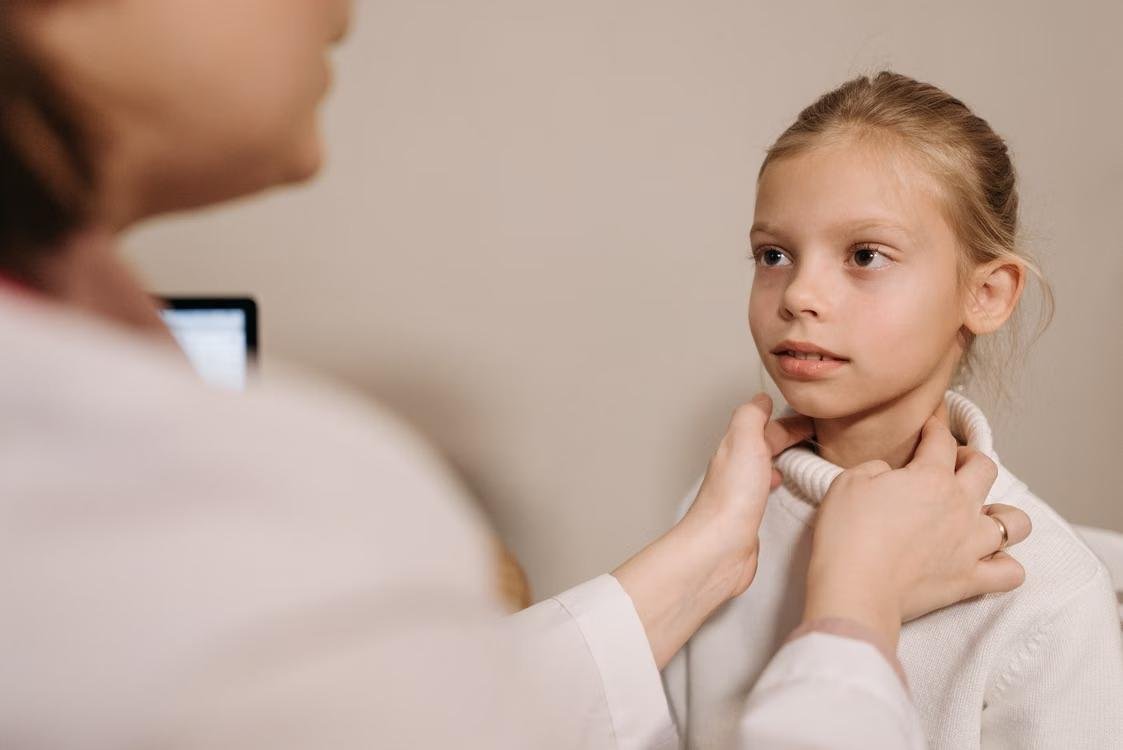
1. Is My Child Up to Date on Flu Vaccinations?
Influenza can cause fever, cough, body aches, fatigue, and other symptoms that may interfere with school and everyday activities. Parents can ask whether their child is due for a seasonal flu vaccine and which formulation is appropriate for their age and medical history.
They can also ask about vaccine timing, whether more than one dose is needed, and how vaccination recommendations apply to children with underlying health conditions. Although vaccination cannot prevent every respiratory infection, it helps protect against influenza and reduces the risk of severe illness.
2. Are Any Other Immunizations Due Before Winter?
A seasonal appointment is a useful time to review the child’s vaccination record. Parents can ask whether any routine immunizations are overdue or upcoming, based on the recommended schedule. This discussion may include vaccines that protect against illnesses such as pertussis and COVID-19, where recommended and appropriate.
Children with certain medical conditions may also need individualized advice. A pediatrician can clarify which vaccines are appropriate rather than assuming every child needs the same schedule. Keeping immunizations current is an important part of preventive pediatric care.
3. Should Recurring Coughs or Colds Be Evaluated?
Children may experience several respiratory infections throughout the year, especially when attending school or childcare. However, a cough that repeatedly returns, lasts longer than expected, disrupts sleep, or worsens over time may need evaluation.
Parents should describe when the cough started, whether it occurs at night or during exercise, and whether it is accompanied by fever, wheezing, or breathing difficulties. They can ask whether the pattern suggests repeated viral infections, asthma, allergies, or another condition. Symptoms can overlap, so a clinical assessment may be necessary before identifying the cause or recommending treatment.
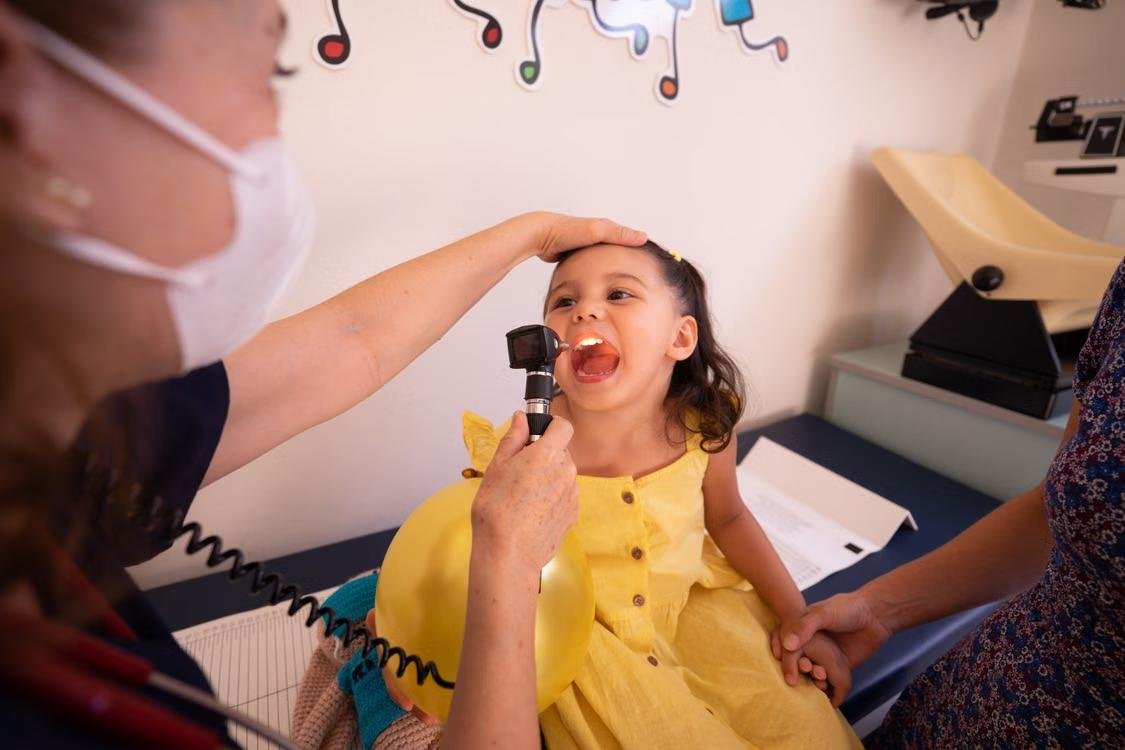
4. How Can Asthma Symptoms Be Managed in Colder Weather?
Cold air and respiratory infections can trigger asthma symptoms in some children. Parents of children with asthma should ask whether their current treatment plan remains appropriate and whether medication instructions need reviewing.
Useful questions include:
- Which symptoms suggest that asthma is becoming less controlled?
- Is the child’s inhaler technique correct?
- Should the asthma action plan be updated?
- When should the child use prescribed rescue medication or seek urgent help?
Families should also understand which symptoms require emergency care. Severe breathing difficulty, blue or gray lips, or difficulty speaking because of breathlessness warrants emergency medical attention.
5. Could Indoor Allergies Be Affecting My Child?
During winter, children may spend more time indoors, increasing their exposure to dust mites, pet dander, and mold in damp areas. These triggers can contribute to sneezing, nasal congestion, itchy eyes, or respiratory symptoms in susceptible children. Parents can ask whether their child’s symptoms warrant an allergy assessment and which practical changes may help at home.
A pediatrician can also explain when allergy testing or further evaluation might be appropriate. Persistent symptoms should not automatically be attributed to allergies. Infections and other conditions can cause similar problems, making an accurate assessment important.
6. When Should the Next Routine Checkup Be Scheduled?
Routine visits help monitor growth, development, immunizations, and ongoing health concerns even when a child is not sick. Parents can ask when the next checkup is due and whether any screenings or follow-up assessments are recommended.
They can also discuss school or sports requirements, medication reviews, and concerns that may not require an urgent appointment but should not be overlooked. Scheduling ahead can make it easier to maintain preventive care during a busy season.
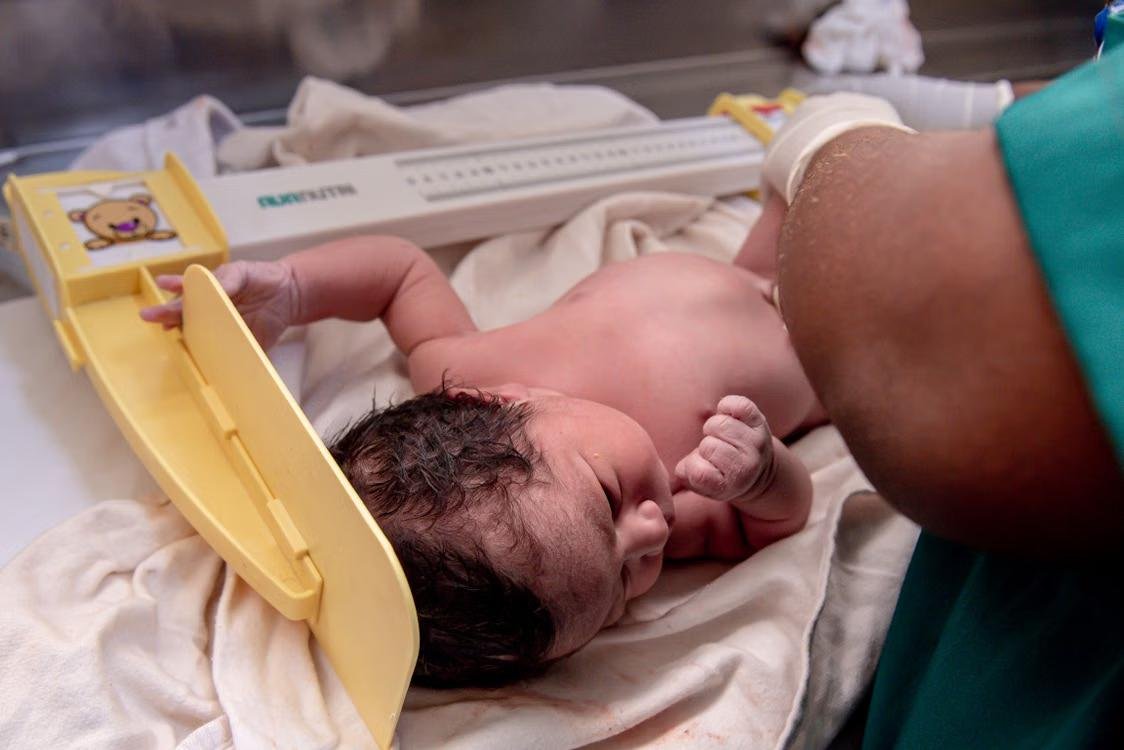
A little preparation can help parents navigate seasonal illnesses with greater confidence. Tri-Valley Pediatrics provides pediatric checkups, immunizations, and guidance for children’s changing health needs in San Ramon and Pleasanton. Their team also offers pediatric asthma care, child allergy treatment, and same-day sick visits for established patients when available. Families can consult them about child flu shots and other preventive measures before winter illnesses become more common.
Contact them to maintain regular communication with their trusted pediatricians.
About the Author
Emily Watson is a health and parenting writer specializing in pediatric wellness, preventive care, and child development. She creates informative, accessible content to help parents better understand common childhood health concerns and make informed decisions about their children’s well-being.