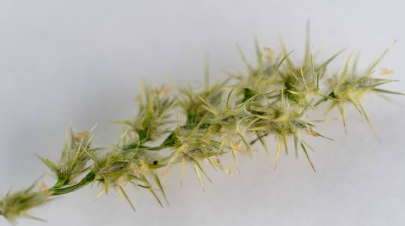
painful sticker plants in yard
Your yard should be a safe place for kids, pets, and family fun. However, some plants can cause pain when you walk, sit, or play outside. Sharp thorns, prickly weeds, and seed pods can hurt your feet and damage your lawn.
These plants often grow in grass, along fences, and near garden beds. Some look harmless until you touch them. Others spread tiny seeds that stick to shoes, clothing, and animal fur.
Learning to spot prickly weeds in grass can help you keep your yard safer. If you have painful plants in yard areas, early action can prevent injuries and stop weeds from spreading.
What Makes Certain Yard Plants Painful?
Some plants protect themselves with sharp thorns or spines. Others produce hard seeds with pointed tips. These parts can pierce the skin and cause pain.
For example, thorny bushes can scratch your legs and hands. Certain weeds produce spiky seed pods that stick to shoes and pet paws. In addition, some plants have irritating hairs that cause itching.
However, not every painful plant looks dangerous. Small weeds can hide among healthy grass. Therefore, check your lawn often, especially near walkways and play areas.
5 Painful Plants You May Find in Your Yard
Several common plants can make outdoor activities uncomfortable. Knowing what they look like helps you choose the right control method.
1. Goathead Weeds
Goathead weeds are among the most troublesome plants in dry lawns. They are also called puncturevine. Their low-growing stems spread across the ground.
The plant produces small yellow flowers and hard seeds with sharp points. These seeds can pierce bare feet, pet paws, and bicycle tires.
Goatheads often grow in sunny, dry areas with thin grass. They may also spread along driveways and garden edges.
To control them, pull young plants before they produce seeds. Wear thick gloves and remove the roots when possible. Collect the seed pods carefully, too.
2. Sandburs
Sandburs produce spiky seed heads that cling to skin, socks, and animal fur. These seeds can cause sharp pain when pressed against bare skin.
They often grow in sandy soil, open lawns, and dry patches. Poor grass coverage can give sandburs more room to spread.
Remove young plants before their seed heads mature. Also, improve grass coverage to reduce open spaces where weeds can grow.
3. Stinging Nettle
Stinging nettle grows in moist soil and partly shaded areas. Its leaves and stems have tiny hairs that can irritate the skin.
Touching these hairs may cause burning, itching, and redness. Reactions vary from person to person.
Wear gloves, long sleeves, and long pants when removing nettles. Avoid rubbing the affected skin after contact. If symptoms are severe, seek medical advice.
4. Thorny Thistles
Thistles have prickly leaves and stiff stems. Some types also produce purple flowers and fluffy seeds.
These plants can hurt when you brush against them. Their sharp edges may also make lawn care harder.
Remove small thistles before they spread seeds. Use sturdy gloves and suitable tools to protect your hands. Check the area again because some thistles can regrow from remaining roots.
5. Prickly Burr Weeds
Burr weeds produce seeds that cling to clothing, shoes, and pet fur. Depending on the plant, these burrs may have hooks or stiff spines.
They can make walking through the yard uncomfortable. Furthermore, burrs may spread to other parts of your property when people or animals carry them.
Inspect grassy areas and remove burr-producing weeds early. Regular mowing may help manage some species, but mowing alone may not stop seed production.
Why Painful Weeds Keep Returning
Removing visible weeds is only one part of lawn care. Many troublesome plants return because their seeds remain in the soil.
Some seeds spread through wind, water, animals, or garden tools. Others stick to shoes and clothing. As a result, a clean lawn can develop new weeds within weeks.
Bare soil also creates room for weeds to grow. Therefore, maintaining thick grass is an important part of prevention.
Use these simple steps to reduce future growth:
- Inspect your yard every week during the growing season.
- Pull young weeds before they produce seeds.
- Fill bare patches with grass suited to your climate.
- Clean tools and shoes after working in infested areas.
- Remove seed heads before they scatter.
- Water and mow your lawn according to its needs.
These habits help limit painful yard weeds before they become a bigger problem.
How to Remove Painful Plants Safely
If you have painful plants in yard spaces used by children or pets, start by identifying each weed. The right removal method depends on the plant and how widely it has spread.
Wear Protective Clothing
Wear thick gardening gloves, closed shoes, and long pants. Eye protection may also help when handling plants with brittle stems or sharp seed pods.
Keep children and pets away while you work. This reduces the chance of accidental contact with sharp plant parts.
Remove Weeds Before They Spread Seeds
Young weeds are often easier to remove than mature plants. Pull them when the soil is slightly moist, if conditions allow.
Try to remove the full root whenever practical. However, some plants can regrow from roots left behind.
Place removed weeds and seed heads in a suitable yard waste container. Follow local rules for disposal, especially when plants carry mature seeds.
Use the Right Lawn Care Tools
Small weeds may respond well to hand pulling or a suitable weeding tool. Larger patches may need repeated control and better lawn coverage.
For weeds that produce hard, painful burrs, remove existing seed pods carefully. A lawn tool designed to collect certain stickers or burrs may also help.
For example, the Sticker Burr Roller offers a lawn care tool designed to collect sticker burrs. Choose a method suited to your weed type and lawn conditions.
Always check the tool’s instructions before use. No single method removes every type of weed or seed.
How to Prevent Painful Plants From Growing Back
Prevention can save time and reduce the need for repeated weed removal. Start by keeping your lawn healthy and checking problem areas often.
First, mow at the correct height for your grass type. Cutting grass too short can leave bare soil exposed. Next, water deeply when needed instead of watering too often.
Also, repair thin patches before weeds take over. Use grass seed that suits your local climate, sunlight, and soil.
Pay special attention to fence lines, driveways, and dry areas. These spots often allow troublesome weeds to grow unnoticed.
Finally, check shoes, pet fur, and lawn tools after spending time outdoors. Removing stray seeds can help stop them from spreading.
When Should You Get Professional Help?
Some weed problems cover large areas or return despite repeated removal. In these cases, a lawn care professional may help identify the plant and suggest a suitable plan.
Professional advice is especially useful when a plant is difficult to identify. It can also help when weeds grow near sensitive garden plants or areas used by children.
Avoid using herbicides without checking the product label. Choose products approved for the intended weed and location. Follow all safety directions and keep children and pets away as instructed.
Conclusion: Keep Your Yard Safer and More Comfortable
Painful plants in yard areas can turn a pleasant lawn into an uncomfortable place to walk and play. Fortunately, regular checks and early weed removal can make a real difference.
Start by learning to identify goatheads, sandburs, nettles, thistles, and other prickly weeds. Then, wear protective clothing and remove plants before they spread seeds.
Next, improve grass coverage and watch areas where weeds often return. For sticker burr problems, consider a suitable collection tool alongside regular lawn care.
A little attention each week can help reduce sharp weeds and protect your outdoor space. Keep your yard clean, care for your grass, and make outdoor time more enjoyable for everyone.
Frequently Asked Questions
1. What are the most common painful plants in yard areas?
Common examples include goatheads, sandburs, stinging nettles, and thorny thistles. Some produce sharp seeds, while others have spines or irritating hairs. Identification helps you choose a safe removal method.
2. How can I identify prickly weeds in grass?
Look for sharp leaves, low-growing stems, or seed pods with pointed tips. Goatheads often grow close to the ground and produce hard, spiky seeds. If you cannot identify a plant, ask a local lawn care expert.
3. What is the best way to remove sticker burrs from a lawn?
Remove the weeds that produce the burrs whenever possible. Collect visible seed pods and prevent new seeds from forming. A suitable sticker burr collection tool may help with certain lawn conditions.
4. How can I prevent painful yard weeds from returning?
Remove weeds before they produce seeds. Keep your grass healthy, repair bare patches, and inspect the lawn often. Also, clean shoes and tools to limit the spread of unwanted seeds.
5. Are painful plants in yard areas dangerous for pets?
Yes, some weeds can injure pet paws or become caught in fur. Sharp seeds may also cause problems if pets chew or swallow them. Check your pet after outdoor play and contact a veterinarian if an injury occurs.