A well-designed waterfront should provide safe, convenient, and reliable access to the water. Whether you own a lakeside home, manage a marina, or maintain a recreational property, selecting the right dock is an important decision.
A Modular Dock offers flexibility, durability, and customization that traditional dock structures may not provide. With interconnected sections, these systems can accommodate changing water conditions, different activities, and future expansion.
Understanding materials, environmental conditions, installation requirements, and maintenance needs will help you choose a dock that suits your property.
What Is a Modular Dock System?
A modular dock system consists of individual sections connected to create a functional waterfront structure. Unlike permanently fixed docks, many modular systems can be expanded, rearranged, or relocated as requirements change.
These docks are available in floating and fixed configurations, depending on the installation environment.
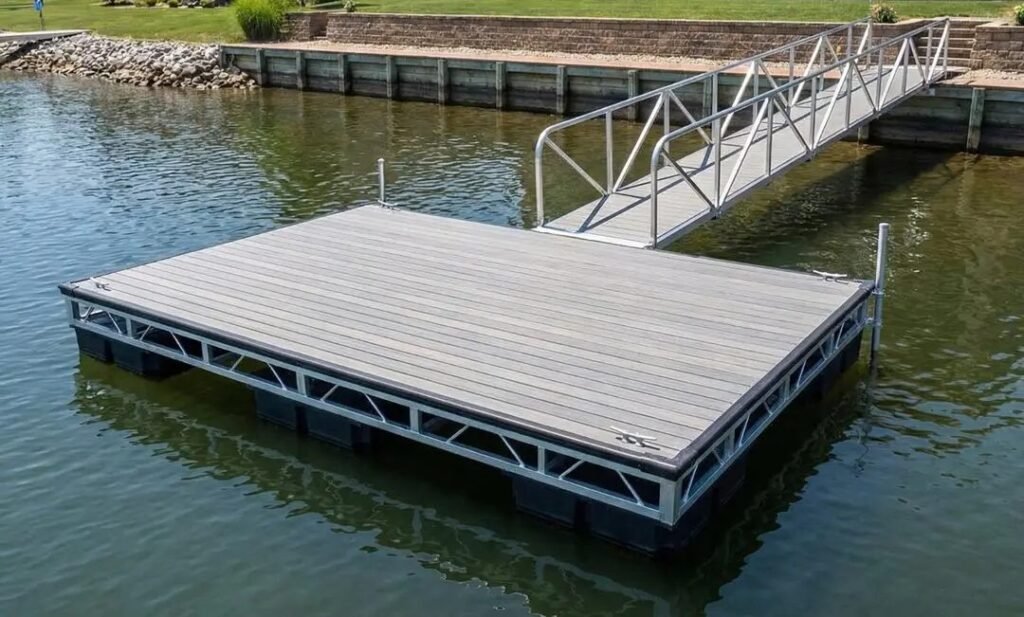
Floating modular docks are particularly useful where water levels fluctuate because their platforms rise and fall with the water. However, proper anchoring remains essential for stability and safety.
Key Factors to Consider Before Choosing a Modular Dock
1. Evaluate Your Waterfront Conditions
Every waterfront presents different environmental challenges. Before selecting a dock, examine the following factors:
- Water Depth: Floating docks work well in deeper water or locations with seasonal fluctuations.
- Wave Activity: Boat wakes, wind, and currents influence structural and anchoring requirements.
- Lakebed Conditions: Rocky, muddy, or uneven bottoms can affect anchoring methods.
- Seasonal Changes: Ice formation, storms, and changing water levels may require additional protection.
Understanding these conditions helps determine the appropriate dock design and installation approach.
2. Choose Durable Construction Materials
Material quality directly affects dock performance, maintenance requirements, and longevity.
Common dock materials include wood, plastic, steel, and aluminum. Each offers different advantages depending on the environment and intended application.
6061-T6 aluminum is a practical option because it combines structural strength with relatively low weight and good corrosion resistance.
For example, Express Docks uses commercial-grade aluminum truss frames designed for residential and commercial waterfront applications.
Composite decking is another consideration. Wood-plastic composite surfaces resist splintering and generally require less routine upkeep than untreated wood.
When comparing materials, consider exposure to moisture, sunlight, saltwater, and temperature changes.
3. Consider Dock Size and Configuration
One major advantage of a Modular Dock is its adaptable layout.
Different configurations support different waterfront activities:
- Straight Docks: Suitable for narrow shorelines and direct water access.
- L-Shaped Docks: Provide additional space for boat access and recreational activities.
- T-Shaped Docks: Create wider platforms for fishing, swimming, or gathering.
- Finger Piers: Useful for marinas and properties accommodating multiple boats.
Choose a configuration based on shoreline dimensions, vessel size, available water depth, and intended use.
Planning for future expansion can also prevent unnecessary reconstruction.
Installation and Accessibility Considerations
Installation requirements vary according to dock size, structural design, and site conditions.
Some modular systems can be assembled using basic hand tools, while larger installations may require professional assistance.
Express Docks offers factory-built aluminum dock sections that ship by standard freight and can be assembled at the waterfront without barges or cranes under suitable conditions.
Before installation, confirm local permitting requirements, anchoring specifications, and environmental restrictions.
Accessibility should also influence your design. Stable walking surfaces, suitable gangway slopes, handrails, and adequate lighting can improve convenience and safety.
Understanding Load Capacity and Stability
A dock must safely accommodate its intended activities.
Consider the combined weight of people, furniture, equipment, and accessories when evaluating load capacity.
Floating systems also require sufficient buoyancy and correctly positioned floats to distribute loads effectively.
High-density polyethylene (HDPE) floats are commonly used because they resist moisture, impacts, and ultraviolet exposure.
However, float quality alone does not determine performance. Frame engineering, connections, anchoring, and weight distribution are equally important.
Always review the manufacturer’s load ratings before installation.
Maintenance and Long-Term Durability
Although aluminum modular docks generally require less maintenance than wooden structures, regular inspections remain necessary.
Recommended maintenance includes:
- Cleaning decking to remove dirt, algae, and debris.
- Checking bolts, brackets, and structural connections.
- Inspecting floats for damage or displacement.
- Examining anchors, cables, and gangway connections.
- Preparing the dock for freezing conditions or severe weather.
Routine maintenance helps identify developing problems before they affect safety or performance.
Budgeting for Your Modular Dock Investment
The overall cost of a Modular Dock depends on several factors, including materials, dimensions, float capacity, accessories, and installation complexity.
Rather than comparing initial prices alone, evaluate long-term ownership costs.
A lower-priced system may require more frequent repairs or replacement. Durable aluminum construction and replaceable modular components can reduce certain maintenance expenses over time.
Warranty coverage, shipping costs, and expansion options should also influence your decision.
Frequently Asked Questions (FAQs)
1. Are modular docks suitable for changing water levels?
Yes. Floating modular docks rise and fall with changing water levels, making them suitable for many lakes, rivers, and reservoirs.
2. How long does an aluminum modular dock last?
Properly engineered aluminum docks can provide decades of service. Actual lifespan depends on environmental exposure, installation quality, maintenance, and structural design.
3. Can I expand my modular dock later?
Many modular systems support expansion through compatible sections. Confirm connection specifications and structural limitations before purchasing additional components.
4. Are modular docks easy to install?
Smaller systems may be assembled using basic tools. Larger installations often require additional planning, anchoring expertise, or professional assistance.
5. What decking works best for modular docks?
Composite decking is a popular choice because it resists splintering and requires relatively little maintenance. Choose a surface with appropriate wet-slip performance.
Conclusion
Choosing the right modular dock requires balancing waterfront conditions, construction quality, safety, flexibility, and long-term costs.
By evaluating these factors carefully, property owners can create reliable waterfront access while preserving opportunities for future expansion.