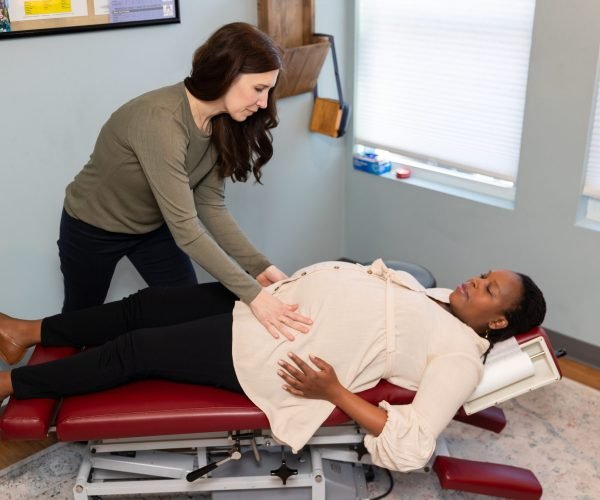
Kids grow fast. One minute they are learning to crawl, and before you know it, they are running around, climbing everything, and getting into trouble. Their bodies go through a lot of changes during those early years. Parents often pay attention to nutrition, sleep, and regular checkups, but physical development deserves attention too. This is where pediatric chiropractic care may have a role, alongside appropriate medical care. Even prenatal chiropractic care is something some parents ask about while preparing for childbirth, especially when they want guidance on comfort and movement during pregnancy. Once a child arrives, the focus shifts to their individual needs, growth, posture, and everyday movement. The important thing is knowing what chiropractic care can and cannot do.
Understanding Pediatric Chiropractic Care
Pediatric chiropractic care involves assessing a child’s movement, posture, and musculoskeletal health. It is not simply a smaller version of adult chiropractic treatment. Children have developing bones, joints, muscles, and connective tissues, so their care must be age-appropriate and handled with caution.
Some parents consult a chiropractor when they notice movement differences, head positioning concerns, or discomfort during everyday activities. Others have questions about posture as their child grows. These concerns deserve a proper assessment rather than assumptions about what is causing them.
A qualified provider should explain the assessment, discuss potential benefits and limitations, and recommend medical evaluation when needed. Chiropractic care should never replace a child’s pediatrician or delay diagnosis of a medical condition. That part matters. Children’s health is not something to guess about.
How Spinal Health Relates to Childhood Development
As children grow, their bodies constantly adapt. Crawling, walking, jumping, sitting at a desk, and carrying school bags all involve the muscles and joints working together. Sometimes children develop habits that affect their posture or movement. Other times, differences are simply part of normal development.
A pediatric assessment may include observing posture, checking comfortable movement, and discussing any concerns parents have noticed. For example, a child who consistently tilts their head to one side may benefit from an evaluation to understand why it happens. The cause could involve muscle tightness or another issue that requires specific treatment.
Chiropractic care may help address certain musculoskeletal concerns, but claims that spinal adjustments improve every aspect of childhood development are not supported by strong evidence. Good care starts with understanding the actual problem, not promising a solution before the child has even been assessed.
Supporting Movement During the Early Years
The first few years of life involve major physical milestones. Babies begin lifting their heads, rolling over, sitting, crawling, and eventually walking. Each child develops at their own pace, although significant delays or unusual movement patterns should be discussed with a pediatric healthcare professional.
Parents may seek guidance when a baby seems uncomfortable turning their head, has difficulty moving comfortably in one direction, or consistently favors one side. These observations are worth discussing with a pediatrician, particularly if the issue persists.
Depending on the cause, treatment might involve supervised exercises, physical therapy, positioning guidance, or other appropriate interventions. Gentle handling and age-specific techniques are essential in infant care. High-velocity spinal manipulation should not be performed on infants. Parents should ask exactly what a proposed treatment involves before agreeing to it.
Posture, School Activities, and Everyday Habits
Growing children spend more time sitting as they enter school. Homework, tablets, gaming, and other screen-based activities can mean hours in the same position. Add a heavy backpack, and it is easy to see why parents start asking questions about posture.
There is no single perfect sitting position a child must maintain all day. Movement matters more than holding one rigid posture. Regular breaks, outdoor play, comfortable seating, and a backpack that fits properly can all support healthy habits.
A chiropractor may assess musculoskeletal discomfort or movement restrictions when appropriate. However, persistent pain, weakness, numbness, or changes in walking should be evaluated by a medical professional. Parents should not assume these symptoms are simply caused by poor posture.
Building healthy routines early can make a real difference. Encourage children to move around, play outside, and speak up when something hurts. Small habits tend to stick when they become part of normal family life.
Recognizing Flathead Syndrome and Torticollis in Babies
Two concerns that sometimes bring parents to seek help are positional plagiocephaly, commonly called flathead syndrome, and torticollis. Flathead syndrome refers to flattening on part of an infant’s head, often associated with repeated pressure on the same area. Torticollis involves a head tilt or difficulty turning the neck, which may be related to tightness in a neck muscle or another underlying cause.
These conditions can occur together, but they are not the same thing. A baby with a persistent head tilt or noticeable head flattening should be assessed by a pediatrician. Treatment may include supervised tummy time while awake, guidance on positioning, and physical therapy when indicated. Babies should always be placed on their backs to sleep, even when flathead syndrome is present.
Families searching for Flathead Syndrome & Torticollis Care should prioritize a provider who understands infant development and works alongside the child’s medical team. Physical therapy has an established role in managing many cases of torticollis. Chiropractic treatment should not be presented as a proven cure for either condition, and forceful neck manipulation is inappropriate for infants.
Safety Should Always Come First
Parents naturally want to help their children feel comfortable and develop well. Still, not every treatment advertised for children has solid evidence behind it. That is why asking questions matters.
Before starting pediatric chiropractic care, check the provider’s qualifications and experience working with children. Ask what the proposed treatment is intended to address, what evidence supports it, what risks are involved, and whether other options are more appropriate.
A responsible provider will welcome these questions. They should also refer a child to a pediatrician or specialist if symptoms suggest a condition outside their scope of practice. Fever, unexplained severe pain, sudden weakness, significant injury, or a sudden change in movement needs prompt medical attention rather than a chiropractic appointment.
There is nothing wrong with seeking a second opinion. In fact, it can be the sensible thing to do when a treatment recommendation is unclear.
Conclusion
Childhood is full of changes, and supporting healthy development means paying attention to the little things as well as the obvious ones. Movement, posture, sleep, nutrition, and regular pediatric checkups all play a part in a child’s overall well-being. Pediatric chiropractic care may have a limited role in addressing certain musculoskeletal concerns, provided it is appropriate for the child’s age and condition.
Parents should focus on safe, evidence-informed care rather than broad promises about development, immunity, or general health. If a child has ongoing discomfort, an unusual head position, or a movement concern, start with a qualified pediatric healthcare professional. From there, the family can decide which treatments make sense. Every child is different, and their care should reflect that.