A cannabis brand can have great products, decent packaging, and a well-designed dispensary, yet still struggle to look like one business. It happens more often than people think. Customers see one product online, another on a store shelf, and something completely different in a promotional display. Nothing feels connected. This is where custom retail displays for dispensaries can make a real difference. They help bring the brand’s visual identity into the physical shopping environment, connecting packaging, product presentation, and the overall retail experience. When everything feels consistent, customers have an easier time recognizing the brand and understanding what it stands for.
Why Consistency Matters in Cannabis Branding
Brand consistency isn’t just about using the same logo everywhere. It involves colors, typography, packaging styles, product labels, messaging, and even the way products are arranged in a dispensary. Each detail contributes to how people recognize a business.
Cannabis retailers often carry several product categories, including flower, pre-rolls, concentrates, edibles, and other offerings. Each category has its own packaging requirements, but that doesn’t mean every product should look unrelated. A clear brand system allows different products to have their own character while still belonging to the same family.
Customers notice these things, even if they don’t consciously think about them. When the same visual elements appear across different products and retail materials, the brand becomes easier to remember. Without that consistency, a business can look disorganized, especially when its product range grows.
Creating a Visual Identity That Works Across Products
A strong cannabis brand needs a visual identity that can work across different formats. A logo might look sharp on a small label but become difficult to read on a larger display. A color palette that looks good on a website may appear different when printed on packaging or used in store signage.
These practical details need attention early on. Brands should establish clear guidelines for logos, colors, fonts, imagery, and product information. That gives designers and packaging suppliers a common starting point, instead of having everyone make decisions independently.
There is still room for creativity. A brand might use different colors to distinguish product lines or develop separate visual treatments for particular categories. The important part is keeping a recognizable foundation underneath those variations. Customers should be able to spot the connection without having to search for the logo every time.
How Retail Displays Connect Branding With the Store Experience
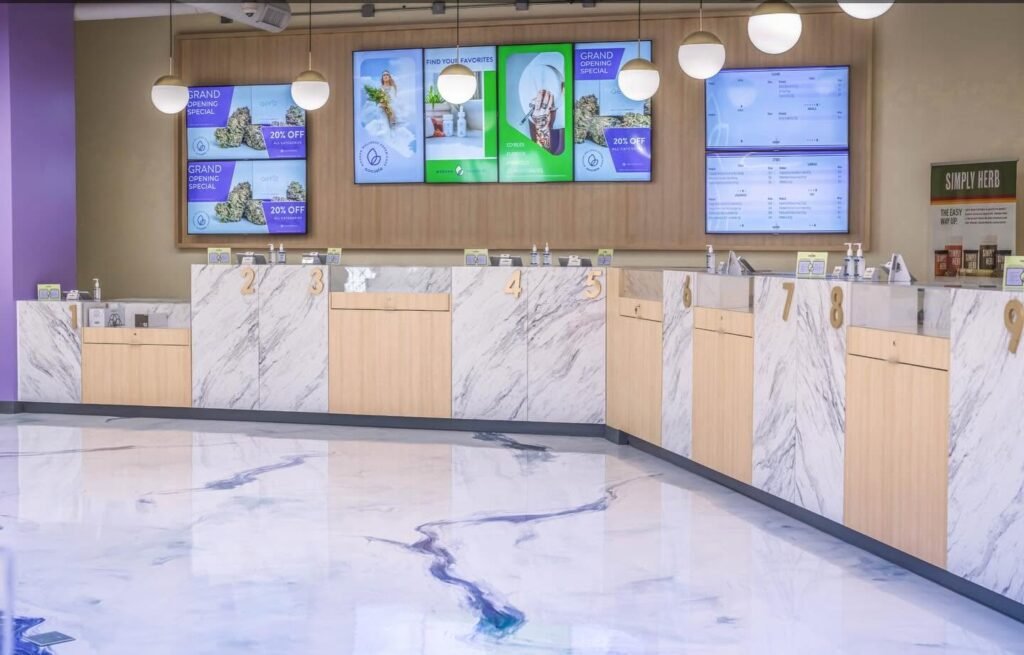
Packaging does a lot of work, but it doesn’t operate in isolation. Once products reach a dispensary, their presentation becomes another part of the brand experience. Shelving, countertop displays, product holders, and educational signage all influence how the brand appears in the store.
Well-planned dispensary displays can give products a more organized presence and help retailers use available space effectively. They can also make brand elements easier to notice, particularly in stores where several competing products sit close together.
The display needs to suit the actual retail environment, though. A large structure might look impressive in a design mockup but become awkward in a small store with limited counter space. Materials, dimensions, lighting, product access, and cleaning requirements all matter. A display should support staff and customers, not get in their way.
Good retail branding is not simply about making something look expensive. It is about making the product presentation clear, practical, and recognizable.
Keeping Packaging and Displays in Step
One common problem occurs when packaging and retail displays are developed separately. The packaging team chooses one color palette, while the display supplier uses slightly different shades or fonts. The logo might be positioned differently, or the messaging may not match. Individually, these choices may seem minor. Together, they weaken the overall impression.
A better approach is to treat packaging and retail fixtures as parts of the same project. Share brand guidelines, approved artwork, color specifications, and product information with everyone involved. Request samples when possible, especially for printed materials where colors and finishes can vary.
This also helps when a company introduces new products. Rather than starting from scratch every time, the team can use an established design system and adapt it to the new packaging size or display format. That saves time and makes future launches less complicated.
The Role of Packaging in Product Recognition
Packaging is often the first physical interaction a customer has with a cannabis product. It needs to communicate useful information while reflecting the identity of the brand. That can be challenging when packages come in different shapes and sizes or when labeling requirements vary by product and location.
Using custom cannabis packaging can help businesses create a more consistent look across their product range while accommodating practical needs. The design might carry familiar colors and typography, while product names and category details make each item easy to distinguish. Packaging must also meet applicable labeling, child-resistance, material, and other regulatory requirements. Those requirements should guide the design from the start, not be treated as an afterthought.
The aim is to balance appearance with function. A package can look distinctive, but it still needs to protect the product and communicate required information clearly.
Consistency Across Multiple Locations and Sales Channels
For cannabis businesses operating across several dispensaries, consistency becomes even more important. A customer visiting one location should be able to recognize the brand at another, even when the store layouts differ. The same principle applies to websites, product catalogs, promotional materials, and retail signage.
Centralized brand guidelines help keep these touchpoints aligned. Businesses can provide approved display layouts, packaging artwork, signage templates, and rules for using brand assets. Local teams may need some flexibility because store sizes and fixture arrangements vary, but the core identity should remain intact.
This is also useful during seasonal campaigns or product launches. Instead of creating an entirely different visual style for every promotion, brands can introduce new campaign elements while retaining recognizable design features. The result feels fresh without looking disconnected from the rest of the business.
Making Branding Practical for Retail Teams
A branding system only works when people can actually use it. Dispensary employees need to arrange products, restock shelves, answer questions, and keep displays presentable throughout the day. If a display is difficult to assemble or packaging information is hard to read, the design may create more work than it solves.
Before approving a retail display, consider how it will be delivered, installed, cleaned, and maintained. Think about how easily products can be replaced and whether the display can adapt when inventory changes. These details are not glamorous, but they affect how the brand looks weeks and months after installation.
It also helps to gather feedback from retail staff. They see the practical problems that may not be obvious during the design stage. Their input can help a brand improve its display system before rolling it out to additional locations.
Conclusion: Building a Brand Customers Recognize
Cannabis branding works best when products and retail environments feel connected. Consistent packaging, recognizable design elements, well-planned displays, and clear brand guidelines help businesses present a more unified identity across different products and locations.
It takes coordination to get there. Packaging designers, display suppliers, marketing teams, and retail staff all have a part to play. Small differences can add up, but so can small improvements. When the visual identity stays consistent and the displays work in real retail settings, customers can recognize the brand more easily and staff can maintain a clearer product presentation.
The goal isn’t to make every product look exactly the same. It’s to make every product feel like it belongs. That is what gives a cannabis brand a recognizable identity, both on the shelf and throughout the retail experience.