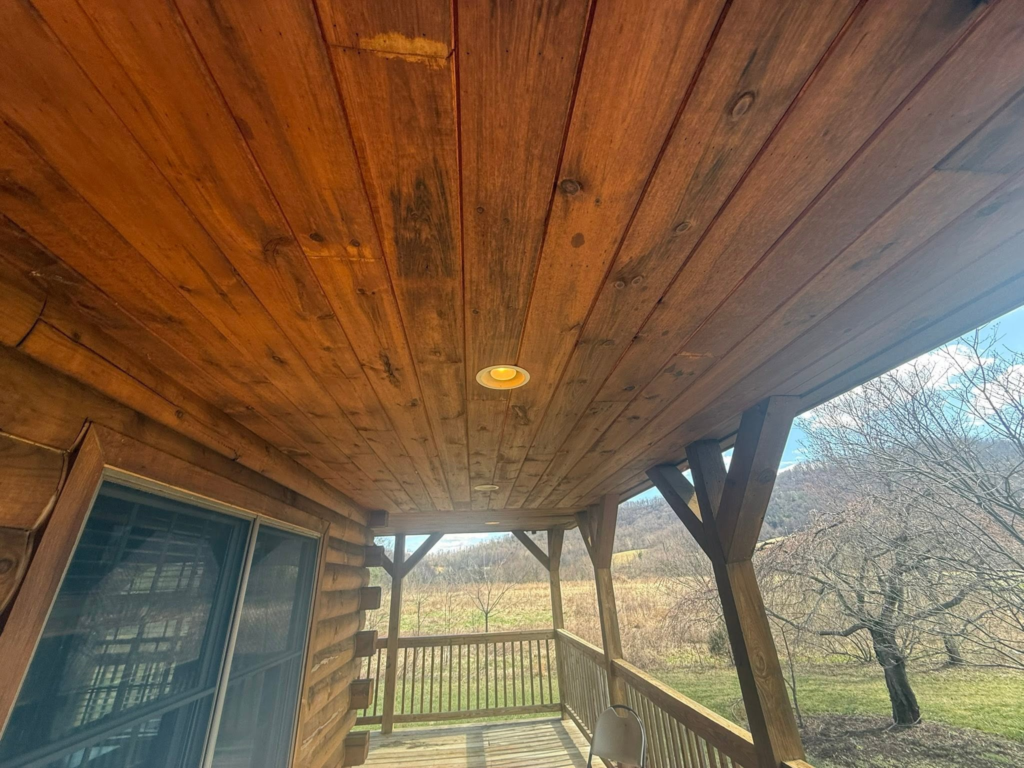
Wooden homes have a character that newer buildings often lack. The natural grain, solid logs, and old-fashioned construction give them a certain feel. But wood doesn’t last forever without care. Rain, sunlight, changing temperatures, and moisture slowly wear down the logs, even if the house looks fine from the outside. Homeowners searching for log home repair near me in Winchester Virginia often start looking for help after noticing cracks, soft wood, peeling stain, or drafts coming through the walls. These problems might seem small at first, but ignoring them can lead to bigger repairs later. The good news is that many aging log homes can be restored with the right techniques and a bit of regular maintenance.
Inspect the Logs Before Starting Repairs
Every restoration project should start with a close inspection. There is no point in applying fresh stain or filling cracks if the wood underneath is already damaged. Walk around the entire house and check the logs for discoloration, deep cracks, soft spots, insect activity, and areas where moisture collects.
Pay extra attention to the lower logs, corners, window frames, and places where the roof meets the walls. These areas often take the most abuse from rain and standing moisture. Use a small tool to check suspicious spots for softness, but avoid damaging healthy wood unnecessarily.
It is also worth checking the interior walls. Sometimes, damage outside is obvious, while problems inside remain hidden behind furniture or finished surfaces. A thorough inspection helps determine whether the house needs simple maintenance, localized repairs, or more extensive restoration work.
Repair Rotten or Damaged Logs
Rot is one of the bigger concerns with older wooden homes. It usually develops when moisture stays trapped in the wood for too long. Once decay starts, the affected area can weaken and may no longer provide reliable structural support.
The repair method depends on how far the damage has spread. Small, localized areas of decay may be treated by removing compromised wood and repairing the section with suitable materials. However, when a log has extensive rot, replacing the damaged portion or the entire log may be necessary.
Log replacement takes care and proper support, especially when the affected log carries part of the building’s load. This isn’t a job to rush through on a weekend without understanding the structure. A qualified restoration contractor can assess the damage and determine the safest repair method. Fixing the source of the moisture is just as important as replacing the rotten wood, otherwise the same problem can return.
Restore Cracks With Proper Caulking and Chinking
Cracks are common in aging log homes. Wood naturally expands and contracts as moisture levels and temperatures change. Over time, gaps can form between logs, allowing outside air and water to enter.
Caulking and chinking help seal these openings. Caulk is generally used for narrower joints and smaller gaps, while chinking is designed for wider spaces between logs. The right material depends on the size of the opening, the construction style, and how much movement the logs experience.
Before applying new sealant, remove loose or failed material and make sure the surface is clean and properly prepared. Applying fresh caulk over deteriorated sealant rarely produces a lasting repair. Use products made for log homes because they are designed to handle movement without losing their seal.
These repairs can reduce drafts, help control moisture entry, and improve indoor comfort. Small gaps might not look serious, but they can cause trouble when rain and cold air keep getting through.
Clean and Prepare the Wood Surface
Before staining or applying protective finishes, the wood surface needs proper preparation. Dirt, mildew, old coatings, and loose stain can prevent new products from bonding correctly. Simply painting or staining over these layers often leads to uneven results and early failure.
Depending on the condition of the logs, cleaning may involve a suitable wood cleaner, careful washing, light sanding, or media blasting. Media blasting can remove stubborn coatings and expose the underlying wood, making it useful for certain restoration projects. However, the process needs to be controlled. Excessive pressure or an unsuitable blasting medium can damage the wood fibers and leave the surface rough.
Washing also requires care. Too much water or pressure can force moisture into joints and damaged areas. Allow the wood to dry thoroughly before applying any finish. Rushing this stage is a common mistake, and it can shorten the life of the entire restoration job.
Apply a Protective Stain and Finish
Once the logs are clean, repaired, and dry, a suitable stain helps protect the wood from weather exposure. Sunlight can break down the wood’s surface, while rain and moisture can encourage decay if the home isn’t properly protected.
Choose a stain formulated for log homes and suited to the local climate and existing finish. Some products penetrate the wood, while others provide different levels of surface protection. The best option depends on the wood condition and the manufacturer’s recommendations.
Apply the finish evenly and pay attention to exposed ends, corners, and other vulnerable areas. These spots can absorb moisture more readily than protected surfaces. Follow the product instructions for drying time and the number of coats required.
Staining isn’t a permanent fix. Even good finishes eventually wear down. Many log homes benefit from a maintenance cycle of roughly three to five years, although actual timing depends on sunlight, weather, the product used, and the condition of the wood. Check the surface regularly rather than waiting until the stain has completely failed.
Improve Drainage and Prevent Future Moisture Damage
Restoration work won’t last if water keeps reaching the same damaged areas. That is why drainage deserves as much attention as the logs themselves. Check gutters, downspouts, roof edges, and flashing for leaks or poor drainage. Water should move away from the house, not run down the walls or collect around the foundation.
Keep soil and mulch from building up against the lower logs. Trim vegetation that blocks airflow around the walls, and remove branches that rub against the wood. These changes are simple, but they can make a real difference.
Inspect the roof and exterior joints, too. A small leak near the roofline can lead to hidden damage that spreads before anyone notices. Prevention usually costs less than replacing several logs later, and it saves the hassle of repeating repairs.
Know When to Call a Restoration Professional
Some maintenance tasks are manageable for experienced homeowners. Larger repairs are different. Extensive rot, structural movement, damaged corners, and widespread moisture problems may require specialized tools and knowledge.
When comparing contractors, ask about their experience with older log structures, log replacement methods, surface preparation, and protective finishes. A contractor should explain what needs repairing and why, rather than recommending the same treatment for every problem. Requesting a clear scope of work also helps prevent surprises during the project.
Professional help can be especially useful when several problems appear together. A home with rotten lower logs, failing chinking, and peeling stain needs a coordinated repair plan, not just a fresh coat of finish.
Conclusion
Aging wooden homes need attention, but age alone doesn’t mean a log house has reached the end of its useful life. Regular inspections, timely log repairs, proper caulking, careful surface preparation, and protective staining can help preserve the structure for years to come. Homeowners who approach maintenance early often avoid more expensive problems down the road.
Good log house restoration is about more than making old wood look fresh. It means finding the cause of the damage, fixing it correctly, and protecting the house from the same problems in the future. Stay on top of moisture, don’t ignore small warning signs, and bring in an experienced professional when the damage goes beyond basic maintenance. A little effort now can save a lot of work later.