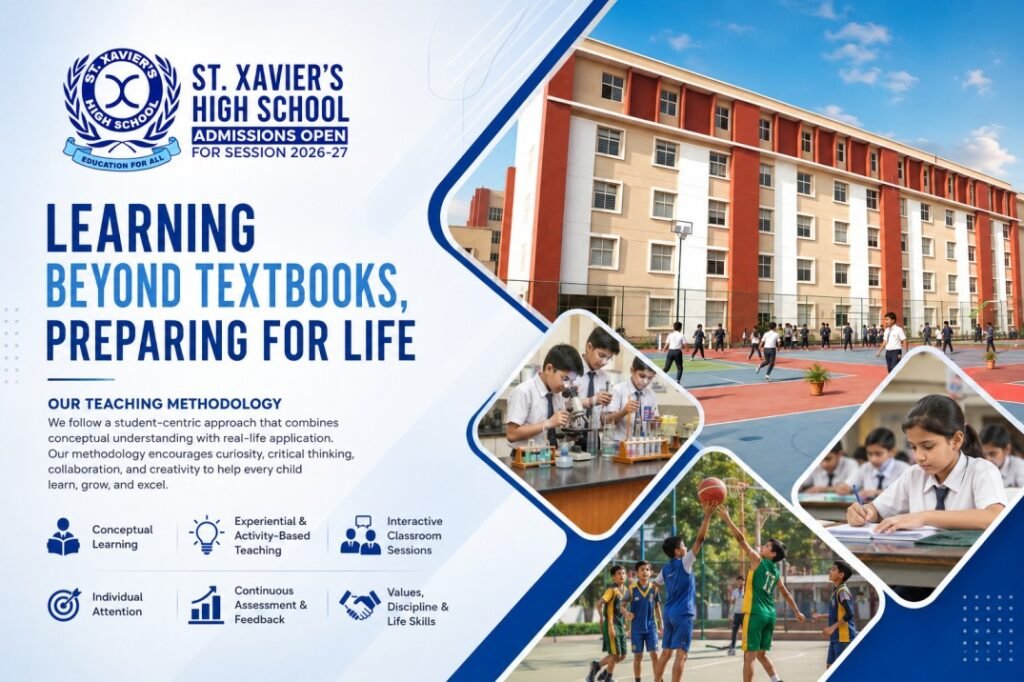
CBSE Schools in Greater Noida West: A Parent’s Guide to Choosing the Right School
Choosing a school involves more than comparing academic results or looking at campus facilities. Parents need to understand the curriculum, teaching approach, admission requirements, student support, and opportunities for overall development. Greater Noida West has become an important residential area for families, making school selection a key consideration for parents planning their children’s education.
When evaluating CBSE schools in Greater Noida West, families can begin by reviewing the school’s academic framework, admission guidelines, and approach to student learning. A clear understanding of these factors makes it easier to compare options and identify a school that suits a child’s educational needs.
Understanding the CBSE Curriculum
The Central Board of Secondary Education (CBSE) follows a structured curriculum designed to develop subject knowledge, analytical thinking, and practical understanding. Its academic framework covers core subjects such as English, mathematics, science, and social science, along with other learning areas appropriate to each grade.
One advantage of the CBSE curriculum is its emphasis on conceptual clarity. Rather than relying exclusively on memorization, effective classroom teaching encourages students to understand ideas, apply knowledge, and develop problem-solving skills. These abilities support academic progress and prepare students for future educational opportunities.
Parents comparing schools should review the curriculum followed in different grades, assessment methods, teaching resources, and opportunities for experiential learning. These details provide a clearer picture of how academic concepts are introduced and reinforced throughout the school year.
What Should Parents Consider When Selecting a School?
Every child has different learning needs, interests, and strengths. Therefore, school selection should involve a balanced assessment of academic and developmental factors.
Teaching Methods and Academic Support
A good learning environment encourages students to ask questions, participate in discussions, and develop independent thinking. Parents can explore how teachers explain difficult concepts, monitor academic progress, and support students who need additional guidance.
Regular feedback, classroom participation, and age-appropriate learning activities can help children build confidence and strengthen their understanding of different subjects.
Campus Facilities and Learning Resources
School facilities contribute to the learning experience when they support everyday academic and developmental activities. Libraries, science laboratories, computer resources, sports areas, and suitable classrooms can help students engage with different subjects and interests.
However, facilities should be evaluated alongside their actual educational use. Parents can ask how students access these resources, whether activities are integrated into the curriculum, and how the school maintains a safe and organized environment.
Extracurricular Activities and Personal Development
Education also involves developing communication, teamwork, creativity, discipline, and self-confidence. Sports, art, music, debates, cultural activities, and group projects can give students opportunities to discover their interests beyond regular classroom lessons.
Parents should consider whether a school offers age-appropriate activities and encourages participation without placing unnecessary pressure on students.
Understanding the School Admission Process
Admission procedures are an important part of comparing schools. Parents should understand registration requirements, age eligibility, assessment procedures, document submission, and fee deadlines before applying.
St. Xavier’s High School in Greater Noida West provides admission information for Nursery through Grade XII. According to its published admission guidelines, registration can be completed online or in person at the school. Admission depends on seat availability and the applicable assessment and eligibility criteria.
Parents can review the school admission process to understand the steps involved before beginning an application.
Documents Parents Should Prepare
Preparing documents in advance can make the admission process more organized. Depending on the grade and the school’s requirements, parents may need the child’s birth certificate, previous school’s report card, school leaving certificate, photographs, residence proof, and parent identification documents.
It is important to verify the latest document checklist directly with the school because requirements may vary according to the class and individual circumstances. Parents should also confirm whether original documents and photocopies are needed at different stages of registration.
Why Age Eligibility Matters
Age eligibility is especially important for Nursery, LKG, UKG, and Grade 1 admissions. Schools specify age criteria based on the applicable admission guidelines and the relevant academic session. Parents should check the official requirements before submitting an application to avoid confusion later.
For students transferring from another school, previous academic records and transfer documents may also be required. Checking these details early can help families prepare for a smoother transition.
Evaluating School Location and Daily Convenience
A school’s location can influence a child’s daily routine. Parents living in Greater Noida West should consider commuting time, transportation arrangements, school timings, and the practical demands of reaching the campus every day.
A manageable commute can leave children with more time for homework, outdoor activities, hobbies, and rest. Families should also understand the school’s transportation policies and verify available routes before making a final decision.
Along with location, parents can assess communication between teachers and families, student supervision, safety procedures, and the availability of support when academic or personal concerns arise. These considerations help create a more complete picture of the school environment.
Questions to Ask Before Finalizing a School
Before making a decision, parents can prepare a few questions for the admission team. Ask about the curriculum for the relevant grade, teaching and assessment methods, class schedules, extracurricular activities, fee structure, and available student support.
It is also useful to clarify how academic progress is communicated to parents and how students receive assistance when they struggle with particular subjects. Reviewing the official school website, understanding published policies, and speaking with the admission team can help families make an informed comparison.
Parents should avoid relying on a single factor, such as reputation or facilities, when evaluating educational options. A suitable school should align with the child’s learning needs, family priorities, practical requirements, and long-term academic goals.
Conclusion
Selecting a school is a decision that can influence a child’s academic development, confidence, and daily routine. Parents comparing CBSE schools in Greater Noida West should evaluate curriculum, teaching methods, learning resources, extracurricular opportunities, location, and admission requirements together.
Reviewing the admission process in advance also helps families prepare documents, understand eligibility, and follow application steps without unnecessary delays. St. Xavier’s High School offers published admission guidelines that parents can consult while assessing their options. By gathering accurate information and considering their child’s individual needs, families can make a thoughtful decision about the next stage of their child’s education.