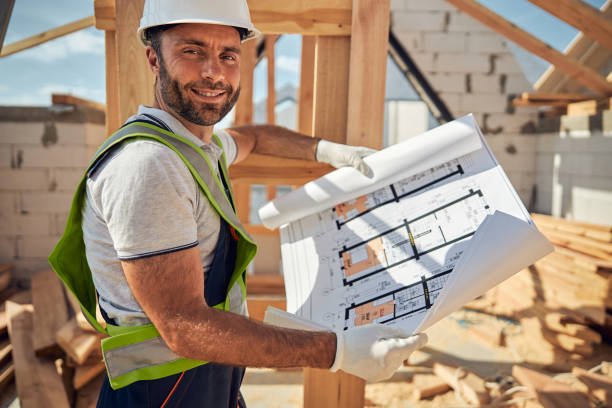
Building a custom home is exciting, but it’s easy to get caught up in how everything looks right now. You might be thinking about a bigger kitchen, an open living room, or that extra bedroom you’ve always wanted. Fair enough. Still, a house should work for you years down the road, not just on moving day. Working with experienced home builders in Houston can help you plan for changing family needs, aging in place, and the everyday things that make a home comfortable. The goal isn’t to predict every stage of life. That’s impossible. It’s to make smart choices today so you aren’t forced into expensive changes later.
Think About Your Future Needs Before Finalizing the Design
Start by considering how your life might change over the next ten or twenty years. Maybe you have young children now, but they’ll eventually need more privacy. Perhaps your parents might move in, or you plan to work from home for the long haul. These situations affect room sizes, bathroom placement, storage, and even the way people move through the house. You don’t need a room for every possible scenario, but some flexibility goes a long way. A spare bedroom that doubles as an office today could become a guest room later. A flexible floor plan gives you options without making the house feel oversized or wasting money on space you rarely use.
Choose a Floor Plan That Makes Everyday Life Easier
A beautiful floor plan means very little if you’re constantly walking around furniture, squeezing through narrow hallways, or carrying laundry across the entire house. Pay attention to how rooms connect and where people naturally spend their time. Keep frequently used spaces easy to reach, and avoid unnecessary steps between the kitchen, dining area, and living room. If you have children or older relatives, think about privacy and noise as well. Bedrooms placed away from busy gathering areas can make a real difference. Also, consider whether a single-story layout makes sense for your property and budget. Stairs may not bother you today, but fewer of them can make daily living easier later.
Make Accessibility Part of the Original Design
Accessibility is often treated as something homeowners worry about when mobility becomes a problem. Honestly, that’s a little late. Wider doorways, comfortable hallway widths, good lighting, and minimal changes in floor level can help people of different ages and abilities move around more easily. These features don’t have to make a house look clinical or overly practical. They can blend right into a normal, attractive design. You might also consider a ground-floor bedroom with a nearby full bathroom, especially if your home has multiple levels. That arrangement can be useful after surgery, during an injury, or as you get older. Planning these details during construction is usually simpler than trying to squeeze them into a finished home.
Prioritize Materials That Can Handle Years of Use
Long-term living requires more than a sensible floor plan. The materials you choose will affect maintenance, repair costs, and how well your home holds up. Cheap finishes may save money initially, but replacing worn flooring or dealing with moisture damage gets old quickly. Look for durable flooring, quality roofing, reliable windows, and finishes that suit your household’s actual habits. If you have pets or children, for instance, delicate surfaces might not be the smartest investment. Houston’s heat, humidity, and heavy rainfall also deserve attention when selecting materials and planning drainage. Proper insulation, moisture control, and well-designed ventilation can help protect the house while keeping indoor spaces comfortable throughout the year.
Plan for Energy Efficiency and Everyday Comfort
Utility costs don’t disappear once construction is finished. In fact, they become a regular part of owning the house, which is why energy efficiency deserves attention early. Good insulation, efficient windows, sensible shading, and properly sized heating and cooling equipment can improve comfort without constantly running the system at full capacity. Natural light is useful too, but large windows need thoughtful placement to prevent rooms from becoming uncomfortably hot. Ask your design and construction team how the home will handle summer temperatures and humidity. You should also think about quieter bedrooms, enough electrical outlets, and convenient charging locations. Small details like these may not look impressive in a design presentation, but you’ll notice them every single day.
Leave Room for Changing Technology and Household Needs
A home that works for the next few decades should be able to adapt. Technology changes quickly, and nobody knows exactly what household systems will look like ten years from now. During planning, consider reliable internet coverage, convenient wiring routes, smart thermostats, security systems, and enough electrical capacity for future upgrades. Storage matters just as much. Families collect things, hobbies change, and equipment tends to multiply over time. Built-in cabinets, a useful pantry, and a practical utility room can prevent clutter from taking over. You might also leave part of a garage or spare room flexible for future use. The idea is simple: create a house that can change without requiring a major renovation every time life takes a different turn.
Design a Kitchen That Remains Practical Over Time
The kitchen is one of those rooms where small design mistakes become irritating fast. Poor counter space, awkward cabinet placement, and crowded walkways can make cooking harder than it needs to be. Plan around how your household actually prepares meals, stores groceries, and gathers together. Consider pull-out shelves, accessible storage, good task lighting, and enough room for more than one person to work comfortably. If your plans include kitchen Remodeling in Houston ideas, think beyond current trends and focus on practical features that will still make sense years later. Durable countertops, easy-to-clean surfaces, and well-placed appliances are often better investments than finishes chosen only because they look good in photos. A functional kitchen should serve your routine, not make you work around it.
Set a Realistic Budget and Work With the Right Team
Long-term planning also means being honest about what you can afford. It’s tempting to spend more on visible features and leave less room for structural quality, accessibility, or energy efficiency. Try not to make that mistake. Set aside a contingency fund for unexpected construction expenses, and ask for clear estimates covering materials, labor, permits, and site preparation. A qualified builder should be willing to explain trade-offs instead of simply agreeing with every idea. Review the plans carefully before construction begins, because changes made after work is underway can become expensive. Good communication between you, your designer, and your builder helps keep the project realistic and reduces the chance of unpleasant surprises.
Conclusion: Build a Home That Grows With You
A custom home should feel right when you move in, but it should also continue working as your priorities change. That means looking beyond current trends and paying attention to accessibility, durable materials, flexible rooms, energy use, and the small routines that shape everyday life. You don’t have to include every possible feature or spend money on things you may never need. Just make thoughtful decisions where they count. With a realistic budget and a well-planned design, you can create a comfortable home that serves your family for years, adapts when life changes, and doesn’t demand a complete overhaul just to keep up.