LED light has become a popular choice for commercial buildings, industrial facilities, retail stores, offices, and homes. Its energy-efficient performance, versatile designs, and long operating life make it suitable for a wide range of indoor and outdoor lighting applications. From illuminating workspaces and parking areas to creating comfortable home environments, LED lighting offers flexible solutions for different needs.
Traditional lighting technologies often consume more electricity and require more frequent maintenance. LED technology provides an alternative that can help reduce energy consumption while delivering suitable brightness for everyday activities. With different wattages, color temperatures, shapes, and mounting options available, buyers can select LED lights according to their spaces and lighting requirements.
Choosing the right LED light involves more than comparing prices or wattage. Light output, energy efficiency, color rendering, fixture compatibility, and environmental conditions all influence performance. Understanding these factors can help homeowners and businesses make informed lighting decisions.
What Is an LED Light?
An LED light uses light-emitting diodes to produce illumination. Unlike traditional incandescent bulbs, which generate light by heating a filament, LEDs produce light through a semiconductor process. This technology can provide efficient illumination with relatively low power consumption.
LED lights are available in many forms, including bulbs, tubes, flat panels, floodlights, wall packs, high bay fixtures, strip lights, and shoebox lights. Each type is designed for particular applications, mounting arrangements, and lighting requirements.
For example, LED bulbs are commonly used in homes and small commercial spaces, while high bay lights are designed for large indoor areas with high ceilings. Floodlights illuminate outdoor spaces, and flat panels provide broad illumination in offices and other commercial interiors.
Selecting the correct product helps ensure that the lighting system provides the necessary coverage, brightness, and functionality.
Common Applications of LED Lights
LED lighting supports a wide range of residential, commercial, and industrial environments.
Residential Lighting
Homes use LED lights in bedrooms, kitchens, living rooms, bathrooms, hallways, and outdoor areas. Different color temperatures allow homeowners to create lighting that suits the purpose of each room.
Warm white lighting can provide a relaxed atmosphere in bedrooms and living areas, while neutral white lighting may suit kitchens, study rooms, and utility spaces.
LED bulbs, ceiling fixtures, recessed lights, and strip lights offer different installation options for residential projects. Bathrooms and outdoor areas may require fixtures with appropriate protection ratings for moisture and weather exposure.
Office Buildings
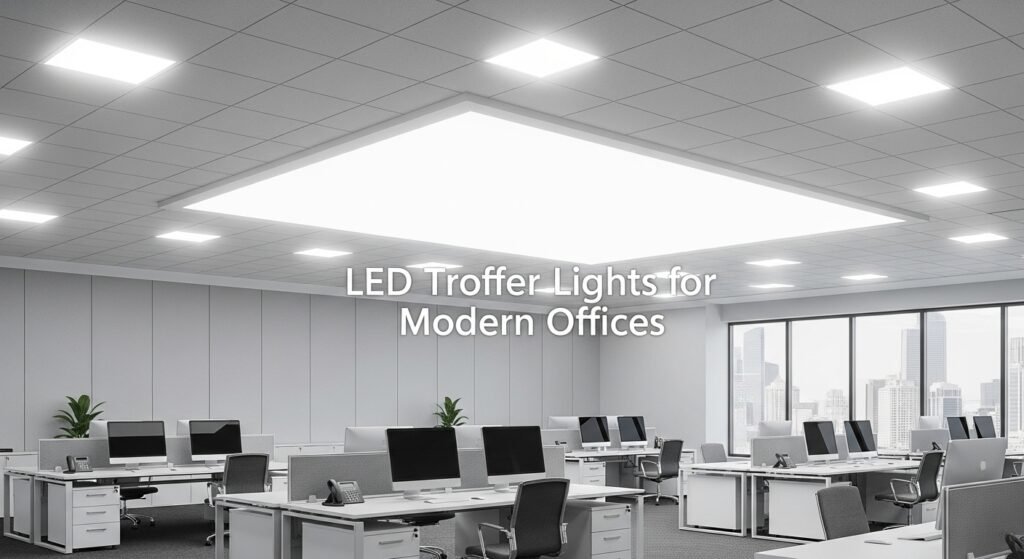
Offices require consistent illumination for computer work, meetings, reading, and administrative tasks. LED flat panels, tube lights, and recessed fixtures can provide general lighting across workstations and shared areas.
Lighting quality matters in office environments because glare, uneven brightness, and unsuitable color temperature can affect visual comfort. Businesses should consider fixture placement, light distribution, and the use of compatible dimming controls.
Warehouses and Industrial Facilities
Warehouses, manufacturing plants, distribution centers, and workshops require lighting that supports equipment operation, inventory management, and daily production activities.
LED high bay lights are commonly used in facilities with tall ceilings, while linear LED fixtures may suit smaller workspaces and storage rooms. Outdoor industrial areas may use floodlights, wall packs, and shoebox lights.
The appropriate fixture depends on mounting height, room dimensions, environmental conditions, and the type of work being performed.
Retail Stores and Showrooms
Retail environments use LED lighting to illuminate merchandise, display shelves, checkout counters, and customer walkways.
Different lighting types can support different purposes. General lighting helps customers navigate the store, while accent lighting draws attention to selected products.
Color rendering is particularly important in stores selling clothing, cosmetics, furniture, and other products where accurate colors influence customer decisions. Selecting fixtures with suitable color characteristics can improve product presentation.
Outdoor Areas
LED lights are widely used for parking lots, building entrances, driveways, pathways, gardens, and commercial outdoor spaces.
Floodlights can illuminate broad outdoor areas, wall packs provide light around building exteriors, and shoebox lights are commonly used in parking lots and access roads. Canopy lights are suitable for covered areas such as fuel stations and drive-through facilities when the fixtures meet the required environmental specifications.
Outdoor installations should account for weather exposure, mounting height, glare, light distribution, and applicable lighting requirements.
Benefits of LED Lighting
LED technology offers several advantages when the lighting system is designed and installed correctly.
Energy Efficiency
One of the main benefits of LED lighting is its potential to reduce electricity consumption compared with many traditional lighting technologies.
LED fixtures can provide suitable light output while using less electrical power than comparable incandescent or older fluorescent and discharge lighting systems. Actual savings depend on the existing equipment, replacement fixture specifications, operating hours, and lighting design.
For businesses that operate lighting for extended periods, reducing power consumption can help manage electricity expenses. Comparing wattage and lumen output is a useful starting point when evaluating replacement products.
Long Operating Life
Many LED lights are designed to operate for extended periods before reaching their rated end of life. This can reduce the frequency of bulb or lamp replacement compared with some traditional lighting options.
Long operating life is particularly useful in commercial and industrial buildings with many fixtures or installations that are difficult to access.
However, performance varies by product. Driver quality, heat management, electrical conditions, and operating temperature can influence service life. Buyers should review manufacturer specifications and warranty coverage before purchasing.
Instant Illumination
Most LED lights reach their operating brightness quickly after being switched on. This makes them practical for offices, corridors, storage rooms, workshops, and outdoor areas where lights may be switched on and off frequently.
Certain specialized products or control systems may behave differently, so product specifications should be checked when starting performance is important.
Flexible Lighting Options
LED lights are available in a wide range of shapes, sizes, wattages, and color temperatures. This allows users to select products for different room layouts and lighting purposes.
A small LED bulb may suit a residential fixture, while a high-output floodlight may be needed for an outdoor work area. Dimmable products and compatible controls can provide additional flexibility where adjustable illumination is required.
Reduced Maintenance
Long-lasting LED products can reduce routine lamp replacement and maintenance work. This may lower maintenance costs in commercial buildings, warehouses, parking areas, and other locations with numerous fixtures.
LED fixtures still require periodic inspection and cleaning. Their performance also depends on installation quality and compliance with the manufacturer’s operating instructions.
Types of LED Lights
Understanding common LED lighting categories helps buyers select suitable products for their applications.
LED Bulbs
LED bulbs are commonly used in homes, offices, and small commercial spaces. They are available in different base types, shapes, wattages, and color temperatures.
Before replacing a bulb, check its dimensions, base type, voltage requirements, and compatibility with the existing fixture.
LED Tube Lights
LED tube lights provide linear illumination for offices, workshops, garages, classrooms, and storage areas. Four-foot LED tubes are common in fixtures designed for compatible fluorescent lamps.
Not all LED tubes work with every fluorescent ballast. Some models support compatible existing ballasts, while others require ballast bypass or a dedicated LED fixture. Electrical modifications should be completed by a qualified electrician.
LED Flat Panels
LED flat panels are slim fixtures designed for broad, uniform illumination. They are frequently installed in offices, schools, healthcare facilities, and retail environments.
Available in different sizes, flat panels can be recessed into compatible ceiling grids or installed using appropriate surface-mounting accessories.
LED Floodlights
LED floodlights are designed to illuminate broad outdoor areas. They are commonly used for building exteriors, industrial yards, sports areas, driveways, and security lighting.
Choosing the right floodlight requires considering lumen output, beam angle, mounting position, weather resistance, and the amount of light needed across the target area.
LED High Bay Lights
High bay LED lights are intended for spaces with high ceilings, such as warehouses, factories, distribution centers, and large workshops.
Their light output and optical design help direct illumination toward work areas below. The correct fixture depends on ceiling height, spacing, required brightness, and the activities performed in the facility.
LED Strip Lights
LED strip lights provide flexible lighting for cabinets, shelves, display areas, decorative features, and selected commercial installations.
They are available in different lengths, colors, brightness levels, and control options. Buyers should check voltage requirements, power supplies, mounting surfaces, and whether the strip is suitable for indoor or outdoor use.
Important Features to Consider When Buying LED Lights
Before selecting an LED light, review the specifications that affect its performance and compatibility.
Lumens and Wattage
Lumens measure the total light output, while wattage indicates electrical power consumption. A higher wattage does not automatically mean a better lighting result.
Choose a product that provides appropriate illumination for the room or outdoor area. Fixture placement, ceiling height, beam distribution, and surface reflectance also affect how much useful light reaches the target area.
Color Temperature
Color temperature is measured in kelvin and describes the visual appearance of the light.
- 3000K produces a warm appearance suitable for many residential and hospitality environments.
- 4000K provides a neutral white appearance often selected for offices and commercial interiors.
- 5000K produces a cooler white appearance commonly used in workshops, warehouses, and some outdoor applications.
The most appropriate option depends on the environment, the tasks being performed, and personal or business preferences.
Color Rendering Index
The color rendering index, or CRI, indicates how accurately a light source reveals colors compared with a reference source. A higher CRI can be useful in retail stores, design studios, healthcare settings, and inspection areas where color accuracy matters.
Weather Resistance
Outdoor LED fixtures should be suitable for the conditions in which they will operate. Check the ingress protection rating, operating temperature range, housing materials, and manufacturer guidance.
A fixture designed for indoor use may not be appropriate for locations exposed to rain, dust, or moisture.
Dimming and Controls
Some LED lights support dimming, occupancy sensors, photocells, and automated lighting systems. These features can help users adjust illumination and reduce unnecessary operating hours.
Confirm that the LED fixture, driver, dimmer, and control system are compatible before installation.
How to Choose the Right LED Light
Start by identifying where the light will be installed and what activities the space must support. A living room, warehouse, retail store, and outdoor parking lot will have different lighting requirements.
Measure the area and identify the mounting height, fixture positions, and potential obstructions. Determine the required light output and consider whether general lighting, task lighting, or a combination of both is needed.
Compare products using lumen output, wattage, color temperature, CRI, protection rating, mounting method, and warranty. Check electrical compatibility, especially when replacing existing fluorescent tubes or modifying older fixtures.
For larger projects, a lighting plan can help estimate fixture quantities, spacing, and light distribution. It can also identify areas where glare, shadows, or excessive brightness may become problems.
Finally, consider the total cost of ownership, including the initial purchase, installation, electricity consumption, and maintenance. A suitable LED light should meet the space’s requirements while providing reliable operation over time.
Installation and Maintenance
Correct installation is essential for safety and lighting performance. Follow the manufacturer’s instructions and applicable electrical codes when installing LED lights.
Before replacing an existing fixture or lamp, confirm the supply voltage, mounting requirements, and compatibility with the electrical system. Any wiring changes should be handled by a qualified electrician.
After installation, check the illuminated area for uneven brightness, excessive glare, and unwanted shadows. Adjust fixture positioning or controls where necessary.
Routine maintenance should include inspecting fixtures for damage, cleaning surfaces when needed, and checking that controls operate correctly. Follow manufacturer guidance to avoid damaging lenses, seals, drivers, or other components.
Conclusion
LED light provides a versatile solution for residential, commercial, industrial, and outdoor lighting applications. Its energy-efficient performance, long operating life, flexible designs, and reduced routine maintenance make it suitable for many modern lighting projects.
The best LED light depends on the intended application, required brightness, color temperature, fixture compatibility, and environmental conditions. By evaluating these factors carefully, homeowners and businesses can select lighting that supports everyday activities while managing energy use and long-term maintenance costs.