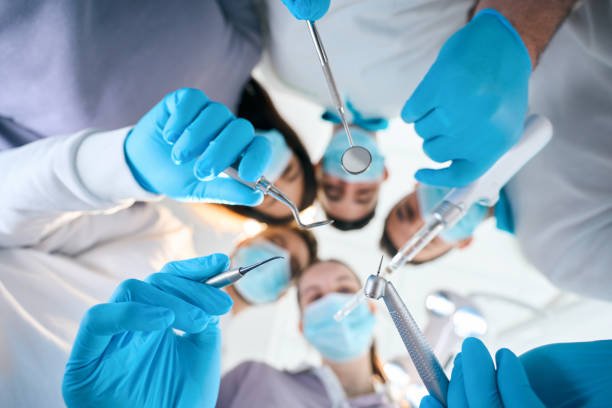
Five dentists with special tools in their hands, people in medical uniforms and protective gloves
I will be honest, most people pick a dentist the way they pick a pizza place. Whatever’s closest, whatever has decent stars on Google. And then they wonder why the bill looks like a car payment. If you’re hunting for the best dentists in your area, you need a better method than that. So let’s talk about it properly.
What Actually Makes a Dentist “the Best”?
Forget the fancy waiting room for a second. A good dentist listens before they drill. They look at your whole mouth, not just the one tooth that’s hurting, and they explain things in plain words. If someone throws jargon at you and rushes through your X-rays, that’s a red flag. Real skill shows up in the small stuff, like how gentle they are, how clean the office feels, and whether they admit when something’s outside their experience.
Why Reviews Only Tell Half the Story
Online reviews help, sure. But read the middle ones, the three and four-star ones, because that’s where the truth sits. Five-star reviews can be friends and family, and one-star reviews are often someone angry about parking. Look for patterns instead. Do people keep mentioning long waits? Surprise charges? Pain that wasn’t managed? Those repeated complaints matter way more than any single glowing comment.

Check Credentials Without Feeling Awkward
You’re allowed to ask about training. Seriously. Ask how long they’ve been practicing, how many of a certain procedure they do each month, and whether they keep up with continuing education. Dentists who are proud of their work won’t blink at these questions. You can also look up their license status with your state dental board, which takes about five minutes and tells you if there’s any disciplinary history. Most folks never bother. They should.
The Cost Question Nobody Wants to Ask Out Loud
Dentistry is expensive. There’s no way around that, and pretending otherwise doesn’t help anyone. But price and quality aren’t always tied together the way people assume. Some pricey clinics are brilliant, some are just pricey. Some modest ones do beautiful, careful work. The trick is getting a written treatment plan with itemized costs before anything starts, and comparing at least two or three offices. A quick call asking about fees for exams, cleanings, and fillings tells you a lot about how transparent they are.
Understanding Dental Implants Before You Shop
Implants are basically a small titanium post placed in your jawbone, topped with a crown that looks and feels like a real tooth. They’re the closest thing to getting your own tooth back. They don’t decay, they protect your jawbone from shrinking, and with decent care they can last decades. Compared to bridges or dentures, which sometimes need replacing or adjusting, implants are more of a long game. That’s why the upfront price scares people, and honestly it should make you think carefully.
Finding Affordable Teeth Implants Without Cutting Corners
Here’s where people get tripped up. Searching for affordable teeth implants is totally reasonable, nobody wants to drain savings for one tooth. But the cheapest quote is rarely the best deal. Low prices sometimes hide extras like the crown, the abutment, the scans, or the follow-up visits. Ask what’s included, ask what brand of implant they use, and ask what happens if it fails. A fair price with a clear warranty beats a bargain with fine print every time.
Ways to Bring the Cost Down Legitimately
There are real ways to save. Dental schools offer treatment at lower rates, supervised by experienced faculty, though appointments take longer. Many offices have payment plans or work with financing companies, and some run seasonal promotions. Check your insurance too, since coverage for implants is spotty but a few plans do help with parts of the process, like extractions or bone grafts. Dental discount plans can trim fees as well. And don’t skip asking about phasing the treatment over a few months, it eases the pinch.

Red Flags That Should Make You Walk Out
High-pressure sales tactics are a huge one. If someone tells you that you must decide today or the price disappears, leave. Same goes for offices that push expensive treatments without showing you X-rays or explaining why. Be wary too of anyone who guarantees a perfect result, because bodies are unpredictable. A truly good dentist talks about risks, healing times, and what could go wrong. It’s not negative, it’s honest, and it’s exactly what you want.
The Consultation Is Your Test Drive
Most places offer a first visit, sometimes free for implants. Use it. Bring questions on paper because you’ll forget half of them once you’re in the chair. Notice how the staff treats you, whether the dentist makes eye contact, whether you feel heard or just processed. Ask to see before and after photos of real patients. And trust your gut a little. If something feels off, it probably is, even if you can’t say why yet.
Aftercare Matters More Than People Think
Getting the implant is only the middle of the story. Healing takes a few months, and how you treat your mouth during that time decides a lot. Follow the instructions, skip the crunchy snacks early on, and keep brushing and flossing like normal around the area. Show up for the follow-ups too. Smokers should know that smoking raises implant failure risk, which is awkward but true. A dentist who checks in after treatment is a keeper.
Conclusion: Take Your Time, Ask Better Questions
Finding the best dentists isn’t about luck. It’s about doing a little homework, asking blunt questions, and refusing to be rushed. Check credentials, read reviews with a skeptical eye, get itemized quotes, and compare a few offices. If you need an implant, don’t just chase the lowest number, chase the best value, meaning quality work, clear pricing, and real support afterward. Your teeth are with you for life, so spend the time now. You’ll thank yourself later, probably while eating something crunchy.