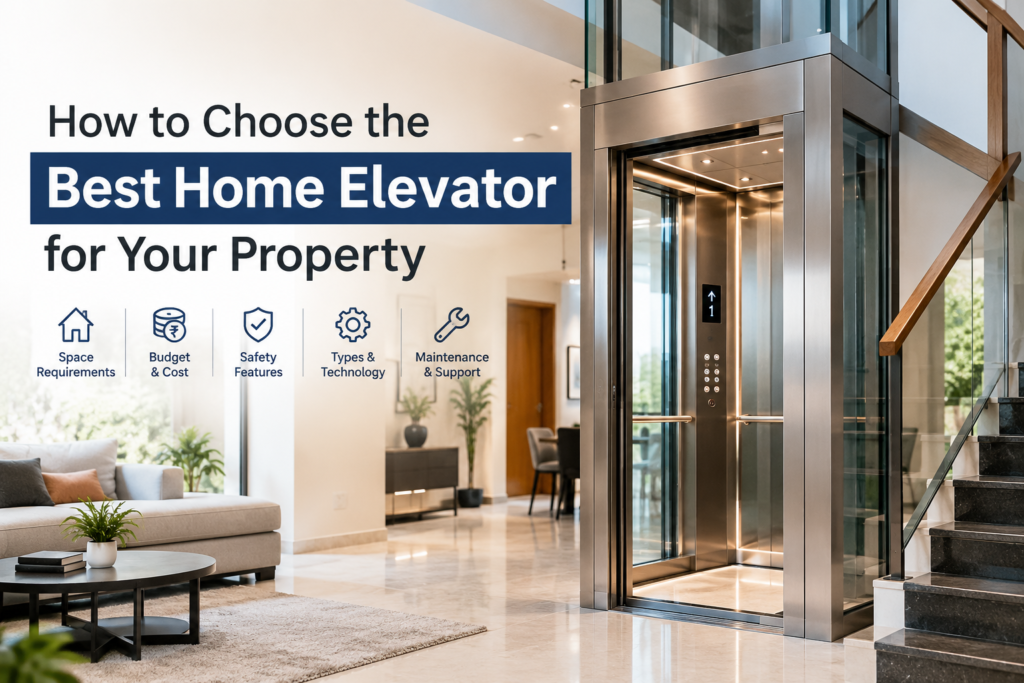
A home elevator is a practical addition to modern residential properties. It improves accessibility, adds convenience, and makes it easier to move between floors. Whether you own a duplex, villa, or multi-storey house, choosing the right elevator requires careful planning.
With several elevator designs and technologies available, homeowners should consider their space, budget, safety requirements, and long-term maintenance needs before making a decision. Companies like Kaibex Elevator offer home elevator solutions designed to meet different residential requirements.
1. Understand Your Home’s Requirements
Before selecting a home elevator, consider how you plan to use it. Some homeowners need an elevator for everyday convenience, while others require better accessibility for elderly family members or people with limited mobility.
The number of floors, available installation space, expected usage, and number of passengers will help determine the most suitable elevator.
For example, a compact home elevator may work well in a duplex, whereas a larger residential property may require a solution with greater capacity.
2. Check the Available Space
Space is one of the most important factors when installing a home elevator. Some properties have a dedicated elevator shaft, while others may require modifications to accommodate the installation.
Before choosing a model, evaluate the following:
- Available floor area and ceiling height
- Elevator shaft dimensions
- Pit depth and overhead clearance
- Entry and exit arrangements
- Structural requirements of the building
A professional site inspection can help identify a suitable installation location. Planning these details early can also reduce the need for expensive modifications later.
3. Compare Different Types of Home Elevators
Home elevators are available in different configurations. Each type has specific installation requirements, benefits, and limitations.
Hydraulic Home Elevators
Hydraulic elevators use a hydraulic system to move the elevator car. They may suit certain residential projects, depending on the building layout, available space, and equipment requirements.
Traction Home Elevators
Traction elevators use a motor-driven rope or belt system and counterweight. They can be suitable for multi-floor homes, depending on the selected design and installation conditions.
Machine-Room-Less (MRL) Elevators
MRL elevators house the drive equipment within the elevator system rather than requiring a separate machine room. This arrangement can help save space, although shaft and overhead requirements still need careful evaluation.
Glass and Panoramic Home Elevators
Glass elevators offer a contemporary appearance and can complement luxury homes, villas, and modern architectural designs. Homeowners should consider privacy, heat exposure, structural support, and maintenance when choosing this style.
The best option depends on your property’s design rather than appearance alone.
4. Set a Realistic Budget
The cost of a home elevator depends on several factors, including the number of floors, passenger capacity, drive technology, cabin design, door configuration, and installation complexity.
Your budget should account for more than the initial equipment price. Consider installation, civil work, electrical requirements, safety features, maintenance, and any applicable taxes.
Request a detailed quotation that explains what is included and identifies any additional charges. Comparing quotations on the basis of specifications and services will help you make a more informed decision.
5. Prioritize Safety Features
Safety should always be a priority when selecting a residential elevator. Look for appropriate safety systems and verify that the proposed installation complies with applicable local requirements.
Depending on the elevator design, important features may include:
- Emergency alarm and communication systems
- Door interlocks and obstruction detection
- Emergency lighting
- Automatic rescue or emergency lowering arrangements, where applicable
- Overload protection
- Appropriate braking and speed-control systems
Ask the supplier to explain how these features operate and what happens during a power failure. Professional installation and regular inspections are also essential for safe operation.
6. Consider Energy Efficiency and Long-Term Maintenance
A home elevator is a long-term investment, so its operating and maintenance requirements deserve attention. Energy consumption depends on the elevator’s technology, capacity, travel distance, usage patterns, and control system.
Before purchasing, ask about routine servicing, spare-parts availability, warranty coverage, and expected maintenance requirements. Regular professional servicing can help identify potential issues early and support reliable performance.
Choose an elevator provider that clearly explains the maintenance schedule and provides suitable after-sales support.
7. Choose a Reliable Elevator Company
Selecting the right supplier is just as important as choosing the elevator itself. Look for a company that understands residential installations and can recommend a solution based on your property’s actual requirements.
Review the company’s experience, product specifications, installation process, warranty terms, and maintenance arrangements. Ask for a site assessment before finalizing the design.
Kaibex Elevator provides elevator solutions for residential and commercial applications, including home elevators. Homeowners can explore suitable options based on their available space, building layout, design preferences, and intended usage.
Working with an experienced elevator provider can make the planning and installation process more organized and help you understand the requirements before committing to a particular model.
8. Plan for Future Needs
When selecting a home elevator, think beyond your current requirements. Your family’s needs may change over time, and the elevator should remain practical for everyday use.
Consider comfortable cabin dimensions, convenient door access, ease of operation, and the possibility of future accessibility requirements. Also, discuss whether your preferred design can be accommodated by the existing structure.
A well-planned elevator can improve everyday convenience while making a multi-storey home more accessible for different members of the household.
Conclusion
Choosing the best home elevator for your property involves balancing space, budget, technology, safety, appearance, and maintenance. Start by assessing your building requirements, compare suitable elevator types, and request a professional site inspection before making a final decision.
With proper planning and support from a reliable provider such as Kaibex Elevator, homeowners can identify a residential elevator solution that suits their property and long-term needs. Take time to compare specifications and installation requirements so you can make a confident, informed choice.