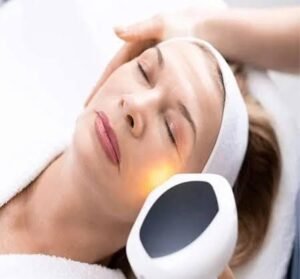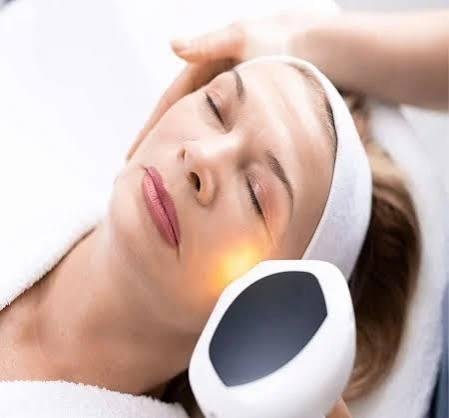
Scars can remain on the skin long after acne, injuries, or other skin conditions have healed. Changes in skin texture, uneven surfaces, and visible acne marks can make achieving a smoother complexion challenging. Modern dermatology offers several treatment options designed to improve the appearance of scars and support a more even skin texture.
Laser Scar Removal Dubai is an increasingly recognised option for individuals exploring advanced skin rejuvenation treatments. Laser technology works by delivering controlled energy to targeted areas of the skin, helping stimulate natural skin renewal and collagen production. Depending on the type of scar, the treatment approach may focus on improving surface irregularities, softening the appearance of deeper marks, or creating a more uniform complexion.
At Perla Dermatology Clinic, individuals can explore personalised dermatological care based on their skin concerns, scar characteristics, and treatment goals. Understanding the available techniques is an important first step towards making informed decisions about skin texture improvement.
Understanding Different Types of Skin Scars
Scars develop when the skin repairs itself following inflammation, injury, or tissue damage. Their appearance depends on several factors, including the original cause, the depth of the affected tissue, and the skin’s natural healing process.
Atrophic Scars
Atrophic scars appear as depressions or indentations in the skin. They commonly develop after inflammatory acne and can create an uneven surface. These scars are associated with a loss of supporting tissue beneath the skin.
Common types include ice-pick scars, boxcar scars, and rolling scars. Each has a different shape and depth, which means that treatment selection needs to account for the specific characteristics of the affected area.
Hypertrophic Scars
Hypertrophic scars are raised areas that develop when the skin produces additional collagen during healing. They generally remain within the boundaries of the original injury. Their texture and thickness can vary, and their treatment requirements differ from those of depressed acne scars.
Post-Inflammatory Marks
Some marks left after acne are changes in pigmentation rather than permanent scars. They may appear brown, red, or darker than the surrounding skin. These marks can require a different treatment approach from scars involving structural changes in the skin.
Distinguishing between pigmentation and actual scarring helps establish more appropriate treatment goals.
How Laser Scar Removal Dubai Treatments Work
Laser treatments use concentrated light energy to target specific structures within the skin. Depending on the technology, the treatment may remove microscopic portions of the skin’s surface or heat selected areas beneath it to encourage collagen remodelling.
Collagen is an essential structural protein that helps support the skin. As the skin renews itself, changes in collagen organisation may gradually improve the appearance of certain scars and irregular textures.
Fractional Laser Technology
Fractional lasers treat small, separated areas of the skin while leaving surrounding tissue untreated. This approach encourages a renewal process that can improve skin texture over time.
Fractional laser technology is commonly considered for certain types of acne scars, uneven skin surfaces, and other textural concerns. The appropriate settings and treatment plan depend on the scar’s depth, skin type, and individual dermatological assessment.
Ablative Laser Treatments
Ablative lasers remove controlled portions of the skin’s outer layers. This process encourages the formation of new skin and can support improvements in selected scars and surface irregularities.
The suitability of ablative treatment depends on the nature of the scar and the individual’s skin characteristics. A dermatologist can determine whether this approach aligns with the intended treatment outcome.
Non-Ablative Laser Treatments
Non-ablative lasers deliver energy into targeted skin layers without removing the entire outer skin surface. They are designed to stimulate collagen remodelling while preserving the skin’s surface.
This technique may be considered for selected textural concerns when a less surface-disruptive approach is appropriate. The number of sessions and the degree of visible improvement vary according to the treatment plan.
Acne Scar Removal in Dubai: Treatment Options for Smoother Skin
Acne scars can vary significantly in depth, shape, and distribution. Some appear as small, narrow depressions, while others create broader indentations or an uneven skin surface. Effective treatment begins with identifying the type of scarring rather than applying the same procedure to every individual.
Acne Scar Removal in Dubai may involve laser technology or a combination of dermatological procedures selected according to the person’s skin condition and treatment goals.
Treating Depressed Acne Scars
Depressed acne scars often involve changes in collagen and the supporting structures beneath the skin. Laser treatments may help stimulate collagen remodelling, gradually improving the appearance of selected indentations.
The outcome depends on scar depth, the type of laser used, and the skin’s response to treatment. Deeper scars may require a broader treatment strategy rather than laser treatment alone.
Improving Uneven Skin Texture
Uneven skin texture can make the complexion appear less uniform, particularly when light falls across areas containing multiple scars. Fractional laser treatments may help improve the appearance of selected surface irregularities by encouraging skin renewal and collagen formation.
Improvements generally develop progressively rather than immediately. Treatment planning should therefore focus on realistic, gradual changes instead of promising complete scar removal.
Addressing Acne-Related Pigmentation
Dark marks following acne can remain visible after active breakouts have resolved. These marks are associated with changes in pigmentation and are different from scars caused by lost or altered skin tissue.
A dermatologist can determine whether a pigmentation-focused treatment, a laser procedure, or a combination of approaches is appropriate. Selecting the correct treatment category is essential for establishing realistic expectations.
Acne Scar Treatment In Dubai: Personalised Approaches to Skin Renewal
Acne Scar Treatment In Dubai includes different dermatological options for improving the appearance of acne-related marks and changes in skin texture. The most appropriate method depends on whether the primary concern is pigmentation, depressed scarring, raised tissue, or a combination of these issues.
Initial Skin Assessment
A detailed assessment helps identify scar patterns, skin characteristics, and areas that may benefit from treatment. The dermatologist may examine the depth of the scars, the distribution of irregularities, and the presence of ongoing acne.
This assessment also helps establish whether the immediate priority should be managing active breakouts or addressing scars that have already developed.
Selecting a Suitable Laser
Different laser technologies target different skin structures. Some are designed to improve surface texture, while others focus on stimulating collagen beneath the surface.
Treatment selection should account for the individual’s skin tone, pigmentation tendencies, scar type, and desired outcome. A personalised approach helps ensure that the chosen technique addresses the actual concern rather than simply treating the visible area.
Combining Treatment Methods
Some acne scars respond better to a combination of procedures than to a single treatment. Depending on the clinical assessment, a dermatologist may consider laser treatment alongside other established dermatological techniques.
Combination treatments should be selected according to individual needs, with each procedure serving a specific purpose in the overall treatment plan.
What to Expect During a Laser Scar Removal Session
Understanding the treatment process can help individuals prepare for a dermatological appointment and know what questions to ask.
Consultation and Treatment Planning
The process begins with a consultation to discuss skin concerns, previous treatments, and desired improvements. The dermatologist evaluates the scars and determines whether laser treatment is appropriate.
A treatment plan may specify the areas to be treated, the type of laser being considered, the anticipated number of sessions, and the expected timeline for assessing progress.
Preparing the Skin
Preparation depends on the selected laser and the individual’s skin characteristics. The dermatologist may provide instructions regarding skincare products, sun exposure, and other factors relevant to the planned procedure.
Following personalised preparation guidance helps ensure that the skin is assessed and managed appropriately before treatment.
The Treatment Procedure
During the session, the laser device delivers controlled energy to the selected areas. The exact procedure varies according to the technology used, the size of the treatment area, and the characteristics of the scars.
The practitioner explains the procedure and any recommended measures before beginning. Session length also varies depending on the treatment area and technique.
Monitoring Progress
Improvements in skin texture usually develop gradually as the skin renews itself and collagen remodelling takes place. Progress may be evaluated over several appointments, depending on the treatment plan.
Photographs taken under consistent lighting can help document changes over time and support a more objective discussion of results.
Factors That Influence Laser Scar Treatment Results
Laser treatment outcomes differ from person to person. Several factors influence the degree of improvement that may be achieved.
Scar Type and Depth
Shallow textural irregularities may respond differently from deep or narrow scars. A treatment suitable for one scar pattern may be less effective for another, making an accurate assessment important.
Skin Type and Tone
Skin tone and pigmentation tendencies influence the choice of laser technology and treatment settings. Dermatologists consider these characteristics when planning treatment for individuals with different skin profiles.
Collagen Response
Collagen remodelling is a gradual biological process. The visible outcome depends partly on how the skin responds to the treatment and how its structure changes over time.
Number of Sessions
Some individuals may require several sessions to achieve their intended improvement. The interval between treatments and the overall schedule depend on the technique, skin response, and clinical recommendations.
Consistency With Aftercare
Following the recommended skincare routine, protecting the skin from excessive sun exposure, and attending scheduled follow-up appointments can support the overall treatment plan.
Choosing Laser Scar Removal Dubai for Different Skin Concerns
When considering Laser Scar Removal Dubai, it is important to understand that not every scar requires the same technique. A treatment plan should address the underlying characteristics of the scar rather than rely solely on its visible appearance.
For Ice-Pick Acne Scars
Ice-pick scars are narrow and extend relatively deeply into the skin. Their shape may make them less responsive to some surface-focused laser approaches. A dermatologist may recommend a targeted treatment strategy based on the depth and distribution of these scars.
For Boxcar Acne Scars
Boxcar scars have more defined edges and a depressed centre. Their depth varies, so treatment options depend on the extent of the structural change and the characteristics of the surrounding skin.
For Rolling Acne Scars
Rolling scars create broad, wave-like depressions that can produce an uneven surface. Treatment may focus on improving collagen structure and addressing the factors contributing to the skin’s irregular contour.
For General Skin Texture Concerns
Some people experience mild textural irregularities rather than clearly defined scars. Depending on the clinical findings, a dermatologist may consider laser resurfacing or another suitable skin-rejuvenation option.
Why Professional Assessment Matters
Professional assessment is central to selecting an appropriate scar treatment. The visible appearance of a scar does not always reveal the underlying changes in the skin, and different concerns can coexist in the same treatment area.
A qualified dermatology professional can distinguish between pigmentation, textural irregularities, and structural scarring. This distinction helps determine which procedures are likely to offer meaningful improvement.
At Perla Dermatology Clinic, individuals seeking information about scar treatments can discuss their concerns, learn about suitable options, and develop a treatment plan based on a professional evaluation. Understanding the purpose and limitations of each technique supports informed decisions throughout the process.
Skincare After Laser Scar Treatment
Aftercare is an important part of the overall treatment plan. The appropriate routine depends on the laser technique and the skin’s response.
Gentle Skincare
A dermatologist may recommend gentle cleansing and suitable moisturising products while the skin recovers. Introducing strong exfoliating products or multiple active ingredients without professional guidance may interfere with the recommended routine.
Sun Protection
Protecting treated skin from excessive ultraviolet exposure is an important part of maintaining skin health and managing pigmentation concerns. A suitable broad-spectrum sunscreen may be recommended according to the individual’s skin type and treatment plan.
Following Professional Instructions
Post-treatment guidance should be tailored to the procedure performed. Individuals should follow the instructions provided by their dermatologist and attend follow-up appointments as advised.
Maintaining Realistic Expectations
Scar improvement is usually gradual, and the final appearance may differ from one person to another. Consistent aftercare and appropriate follow-up help support the treatment process, although complete removal of every scar cannot be guaranteed.
Frequently Asked Questions About Laser Scar Removal Dubai
Can Laser Scar Removal Dubai Completely Remove Acne Scars?
Laser treatment can improve the appearance of selected acne scars and skin texture, but complete removal is not guaranteed. Results depend on the type and depth of the scars, the laser technology used, and the individual’s skin response.
How Many Sessions Are Needed for Acne Scar Removal in Dubai?
The number of sessions varies according to scar severity, treatment technique, and the desired degree of improvement. Some treatment plans involve multiple sessions, with progress assessed over time by the dermatologist.
Is Laser Treatment Suitable for All Types of Acne Scars?
Not every acne scar responds equally to laser treatment. Depressed scars, raised scars, and pigmentation marks have different characteristics and may require different approaches. A professional assessment helps determine the most suitable option.
When Can Improvements in Skin Texture Become Visible?
Some changes may become noticeable after the initial recovery period, while collagen-related improvements can develop over several weeks or months. The timeline depends on the laser technique and individual skin response.
Can Laser Treatment Help With Dark Acne Marks?
Certain laser technologies may be considered for selected pigmentation concerns. However, dark marks are not always true scars, so the treatment should be chosen after determining whether the primary issue is pigmentation or structural skin damage.
Where Can Individuals Explore Acne Scar Treatment In Dubai?
Individuals can contact Perla Dermatology Clinic to enquire about dermatological assessment and available treatment options for acne scars and uneven skin texture. A consultation can help clarify which procedures may be appropriate for their specific concerns.
Conclusion: Improving Skin Texture With Modern Laser Techniques
Modern laser technology offers several approaches to improving the appearance of acne scars and uneven skin texture. From fractional resurfacing to other targeted laser techniques, treatment options can be selected according to scar type, skin characteristics, and individual goals.
The key to a well-planned treatment journey is understanding the difference between pigmentation and structural scarring, choosing an appropriate procedure, and maintaining realistic expectations about the results.
For individuals exploring Acne Scar Removal in Dubai or Laser Scar Removal Dubai, professional assessment provides a foundation for making informed choices. Perla Dermatology Clinic can be contacted to discuss available options and determine which approach may be suitable following an individual dermatological evaluation.