Packaging plays an important role in the bakery and foodservice industries. Customers appreciate products that arrive fresh, neatly packed, and attractively presented. From freshly baked bread and rolls to pastries, sandwiches, and takeaway meals, the right packaging helps businesses maintain product presentation while creating a positive customer experience.
Bakeries, cafés, restaurants, and food manufacturers need packaging that combines practicality with professional branding. Paper-based packaging offers versatile options for wrapping individual products, carrying bakery items, lining serving trays, and presenting takeaway orders. Choosing appropriate materials helps businesses meet their packaging requirements while maintaining a consistent appearance.
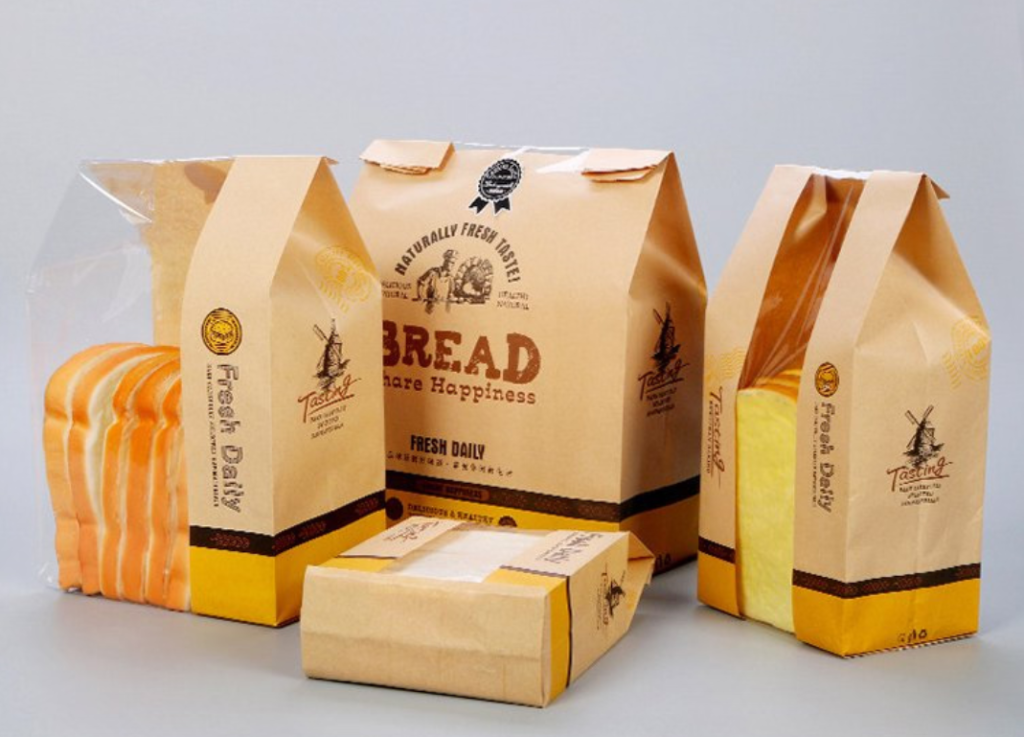
Investing in custom printed bread bags allows bakeries and food businesses to display their logos, brand colors, and distinctive designs on everyday packaging. When coordinated with printed food wrapping, these bags can create a recognizable brand identity and improve the overall presentation of products.
1. Why Custom Printed Bread Bags Matter for Bakeries
Bread bags are essential packaging products for bakeries, supermarkets, cafés, and bread manufacturers. They help contain baked goods, simplify handling, and provide space for branding or product information.
Customized bags offer an advantage over plain packaging because they allow businesses to communicate their identity directly to customers. A bakery can print its logo, business name, contact details, or a simple decorative pattern on the bag.
Different bakery products require different bag designs. Smaller bags may suit individual rolls and pastries, while larger formats can accommodate loaves and multiple bakery items.
Material selection is equally important. Paper weight, bag construction, ventilation, and moisture management can affect how well packaging performs with different bread products.
Businesses should choose bags according to the characteristics of their products and confirm that the material is suitable for its intended food-contact application.
2. Benefits of Personalized Bread Packaging
Personalized bread bags provide several benefits for businesses that want to improve their packaging strategy.
One of the most important advantages is brand recognition. When customers repeatedly see the same logo and colors on bakery packaging, they have more opportunities to associate those visual elements with the business.
Other benefits include:
- Professional presentation: Printed bags create a consistent appearance for bakery products.
- Brand visibility: Logos and business names help customers recognize the source of their purchases.
- Product organization: Different bag sizes can accommodate different bread varieties.
- Marketing opportunities: Attractive packaging may appear in customer photographs and social media posts.
- Business differentiation: Custom artwork can help a bakery establish a distinctive visual identity.
Businesses do not necessarily need complicated designs to achieve these benefits. A simple logo, readable typography, and coordinated colors can create an attractive and professional appearance.
3. Choosing the Right Material for Bread Bags
Selecting the right packaging material is essential for maintaining the quality and presentation of baked goods.
Kraft paper is a popular option because of its natural appearance and versatility. White paper provides a clean background for colorful printing, while specially treated papers may offer additional resistance to grease or moisture.
The best material depends on the type of bread being packaged. Crusty bread, soft rolls, sweet pastries, and oily baked products can have different packaging requirements.
Businesses should also consider bag dimensions, paper weight, closure style, and ventilation. Bread packaged while warm may release moisture, so the bag design should suit the product’s cooling and storage requirements.
Printing quality matters as well. Logos should remain clear and readable without overcrowding the available space.
Before ordering large quantities, businesses should request samples and verify the material’s suitability for direct food contact. Testing different options can help identify the best balance of presentation, functionality, and cost.
4. Popular Applications of Custom Printed Bakery Bags
Customized bread bags can support different businesses across the food industry.
Artisan bakeries: Printed bags help present sourdough, baguettes, specialty loaves, and handcrafted bread.
Commercial bakeries: Standardized bag designs support consistent packaging across high-volume production.
Cafés: Smaller paper bags can accommodate selected rolls, pastries, and baked snacks.
Supermarkets: Branded or private-label packaging helps distinguish bakery products on shelves.
Food retailers: Coordinated packaging can complement other branded products and takeaway materials.
Businesses can also use different bag sizes for individual items, multiple-product purchases, and larger loaves.
The most practical approach is to match packaging dimensions with actual product sizes and handling requirements. This can reduce unnecessary paper use while making products easier to package.
5. How Custom Printing Improves Bakery Branding
Custom printing allows businesses to incorporate their visual identity into the packaging customers use every day.
Popular options include repeating logos, signature colors, decorative illustrations, business names, and short promotional messages.
A bakery with a traditional identity may prefer a simple kraft bag with understated printing, while a contemporary bakery might choose bold colors and modern graphics.
Consistency is important when designing packaging. The same visual elements can be carried across bread bags, product labels, bakery boxes, and food wrapping to create a coordinated brand experience.
Before production, businesses should review artwork proofs and check the logo placement, spelling, proportions, and printing colors.
It is also helpful to consider how the design looks when the bag is filled, folded, or displayed on a shelf.
Well-planned printing makes packaging more recognizable while maintaining the practical purpose of the bag.
6. Advantages of Ordering Printed Food Packaging Wholesale
Businesses that use large quantities of packaging may benefit from wholesale purchasing.
Ordering in bulk can reduce the frequency of reorders and, depending on the supplier, lower the cost per bag or sheet. It can also help businesses maintain consistent packaging across multiple locations or product lines.
However, the lowest unit price does not always represent the best overall value.
Before purchasing, businesses should compare minimum order quantities, paper specifications, printing charges, delivery costs, and production timelines.
Storage capacity and expected monthly usage should also influence purchasing decisions. Ordering excessive quantities may tie up money in packaging that takes too long to use or becomes outdated after a branding change.
Requesting samples before confirming a bulk order allows businesses to assess paper quality, print clarity, bag strength, and practical performance.
A reliable supplier should provide clear specifications and explain available customization options.
7. Why Custom Printed Greaseproof Sheets Are Valuable for Food Businesses
Alongside bakery bags, custom printed greaseproof sheets provide a practical packaging option for restaurants, cafés, bakeries, and takeaway businesses.
Greaseproof paper is designed to resist the penetration of oils and fats. Suitable grades can be used for wrapping burgers, sandwiches, pastries, and other foods that may leave grease marks on ordinary paper.
Printed sheets allow businesses to incorporate their logos, patterns, and brand colors into everyday food packaging. This creates a consistent appearance across wrapping materials, serving trays, and takeaway containers.
Precut sheets can also simplify busy kitchen operations because staff can select a suitable sheet without measuring and cutting paper for each order.
When choosing custom printed greaseproof sheets, businesses should consider paper dimensions, grease resistance, printing quality, and the intended food-contact application.
It is important to remember that grease resistance does not automatically mean oven safety. Any baking or heating application should follow the manufacturer’s specifications.
Businesses should also verify that the paper and printing system are appropriate for their intended use, particularly when the printed surface may come into direct contact with food.
Coordinating printed greaseproof sheets with customized bread bags helps create a consistent packaging identity across different products and sales channels.
8. Conclusion: Creating a Consistent Food Packaging Strategy
Effective food packaging combines functionality, attractive presentation, and recognizable branding. Custom printed bread bags help bakeries package their products professionally, while printed greaseproof sheets provide a flexible option for wrapping and presenting suitable food items.
The best packaging decisions begin with selecting appropriate materials, choosing practical dimensions, and developing artwork that reflects the business’s identity.
Businesses should also compare suppliers carefully, test samples, and plan wholesale purchases around realistic demand.
By combining reliable materials with thoughtful customization, bakeries and foodservice businesses can improve product presentation, maintain consistent branding, and create a more professional customer experience.