Food packaging is an essential part of the restaurant industry. Whether customers order burgers, sandwiches, pastries, or takeaway meals, the way food is presented influences their overall dining experience. Attractive and functional packaging helps businesses maintain professional standards while creating a recognizable brand identity.
Restaurants, cafés, food trucks, and takeaway businesses need wrapping materials that are convenient, practical, and suitable for different menu items. Paper-based packaging offers a flexible solution for wrapping food, lining serving baskets, and presenting products in an organized manner.
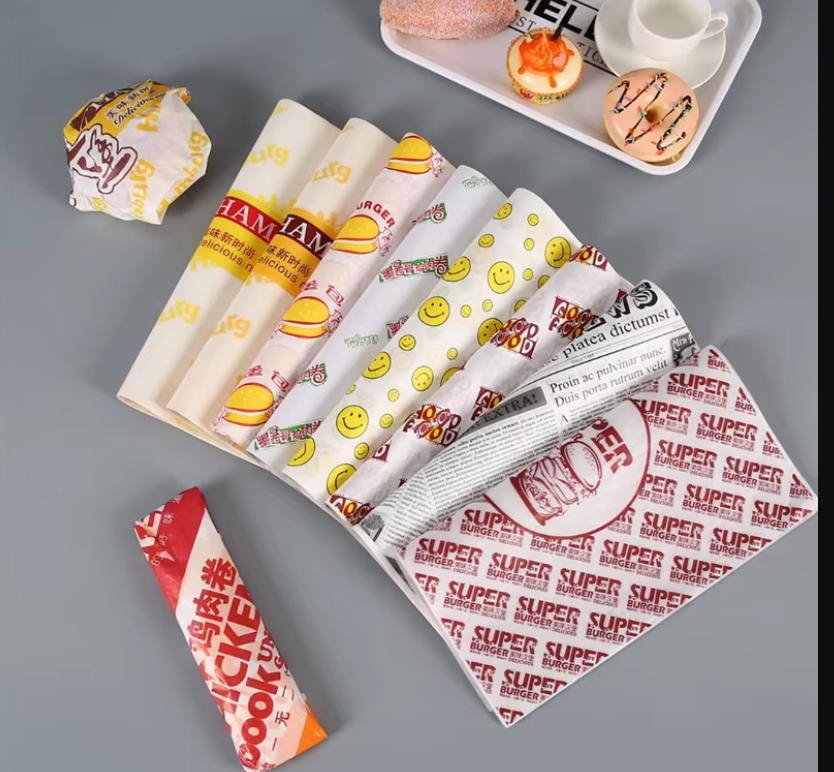
Investing in custom deli paper for restaurants allows food businesses to combine everyday packaging requirements with personalized branding. By incorporating company logos, colors, and decorative patterns into food wrapping, restaurants can create a consistent presentation that customers associate with their brand.
1. Why Custom Deli Paper Matters for Restaurants
Deli paper is commonly used for wrapping sandwiches, separating food items, and lining serving trays. Its versatility makes it a useful packaging material for businesses that prepare and serve different types of food throughout the day.
Custom printing adds another advantage by transforming ordinary wrapping into a branded packaging product. Instead of relying on plain paper, restaurants can display their logos or signature patterns directly on the materials used to serve customers.
This creates a professional appearance across dine-in, takeaway, and delivery orders.
The correct paper can also help provide a suitable barrier between food and serving surfaces. However, restaurants should choose materials according to their intended applications, as different deli papers offer different levels of grease and moisture resistance.
Combining suitable materials with attractive printing helps businesses improve presentation without complicating their daily operations.
2. Benefits of Personalized Food Wrapping
Personalized deli paper offers several advantages for restaurants seeking consistent and recognizable packaging.
One important benefit is brand visibility. Every wrapped sandwich or lined serving basket provides an opportunity to display the restaurant’s identity.
Other benefits include:
- Professional presentation: Customized wrapping creates a coordinated appearance across menu items.
- Brand recognition: Repeating logos and signature colors make packaging more recognizable.
- Versatility: Suitable paper can be used for wrapping, separating, and presenting different foods.
- Customer experience: Neatly packaged meals create a more considered impression.
- Marketing opportunities: Branded wrapping may appear naturally in customer photographs and social media posts.
Effective packaging does not require complicated artwork. A simple repeating logo or minimal pattern can create an attractive design while keeping the food itself as the main focus.
3. Choosing the Right Material for Restaurant Deli Paper
Material selection is an important part of purchasing food wrapping. Restaurants should consider the type of food they serve, its grease content, moisture level, temperature, and expected holding time.
For example, a relatively dry sandwich may have different packaging requirements from a burger containing sauces, melted cheese, and oil.
Food wrapping materials are available in different grades, including grease-resistant paper, wax-coated deli paper, and specialized food-contact wrapping products.
Each material has its own characteristics, so businesses should avoid assuming that every paper offers identical performance.
Restaurants should also confirm whether the selected paper and printing system are appropriate for direct food contact.
Requesting physical samples before ordering in bulk allows staff to test how the material performs during normal service.
The best packaging choice balances functionality, appearance, and affordability.
4. Popular Applications Across the Foodservice Industry
Custom deli paper is suitable for a variety of food businesses because it can be produced in different dimensions and designs.
Burger restaurants: Suitable printed sheets can be used to wrap burgers and create a recognizable takeaway presentation.
Sandwich shops: Deli paper helps package individual sandwiches while displaying the business’s branding.
Cafés: Customized wrapping can support the presentation of selected pastries, sandwiches, and counter-service products.
Food trucks: Lightweight paper provides a convenient packaging format where preparation and serving space may be limited.
Restaurants and catering services: Printed sheets can be used to line food baskets, trays, and serving containers.
Businesses should choose appropriate sheet sizes for their menu items. Oversized sheets may create unnecessary material waste, while undersized paper can make wrapping more difficult.
Testing different dimensions helps restaurants identify practical options for everyday service.
5. How Custom Printing Strengthens Restaurant Branding
Consistent visual branding helps restaurants establish a recognizable identity across different customer interactions.
Custom deli paper allows businesses to extend their branding beyond menus, signs, takeaway bags, and food boxes.
Popular printing options include company logos, repeating patterns, brand colors, short promotional messages, and decorative illustrations.
A minimalist design may suit a premium café, while a bold pattern can complement the personality of a casual burger restaurant.
When creating artwork, businesses should consider how the paper will appear after wrapping the food. Important design elements should remain visible even when the material is folded or partially covered.
Reviewing a digital artwork proof before production can help identify issues with logo placement, typography, and color consistency.
Thoughtful printing makes ordinary food wrapping an effective part of a restaurant’s overall packaging strategy.
6. Advantages of Ordering Custom Deli Paper Wholesale
Restaurants that use food wrapping daily may benefit from purchasing customized paper in larger quantities.
Wholesale ordering can reduce the frequency of reorders and help businesses maintain consistent packaging across their operations. Depending on supplier pricing, larger production quantities may also lower the cost per sheet.
However, purchasing decisions should consider more than the advertised unit price.
Restaurants should evaluate minimum order quantities, printing charges, material specifications, delivery schedules, and available storage space.
It is useful to compare quotations based on identical paper dimensions, printing requirements, and material grades.
Businesses should also estimate their average monthly packaging consumption before placing a bulk order. This helps avoid purchasing excessive quantities that may become unnecessary after menu or branding changes.
A reliable supplier should provide clear product specifications and, where possible, samples that businesses can test before approving production.
7. Why Logo Greaseproof Paper Complements Restaurant Packaging
Alongside traditional deli wrapping, logo greaseproof paper offers another practical packaging option for restaurants handling foods that contain oils and fats.
Greaseproof paper is designed to resist grease penetration, making suitable grades useful for wrapping burgers, sandwiches, pastries, and other food products.
Adding a restaurant’s logo to greaseproof sheets allows businesses to combine functional wrapping with personalized presentation.
For example, restaurants can use coordinated designs across their paper liners, takeaway bags, and food boxes to create a consistent visual identity.
Printed greaseproof sheets can also enhance the presentation of food baskets and serving trays by displaying recognizable artwork beneath the meal.
When selecting this material, businesses should compare grease resistance, available dimensions, printing options, and food-contact suitability.
It is important to remember that grease resistance does not automatically mean a paper is suitable for oven use. Any heating application should follow the manufacturer’s specifications.
Choosing the right printed paper helps restaurants maintain attractive packaging while meeting their everyday foodservice requirements.
8. Conclusion: Creating a Consistent Restaurant Packaging Experience
Professional food packaging contributes to customer satisfaction, brand recognition, and efficient restaurant operations.
Customized deli wrapping provides a practical way to present meals while reinforcing a business’s visual identity across dine-in, takeaway, and delivery services.
The most effective packaging strategy begins with selecting suitable materials, choosing appropriate dimensions, and developing artwork that complements the restaurant’s branding.
Businesses should also evaluate suppliers carefully and plan wholesale purchases according to realistic demand.
By combining functional food wrapping with thoughtful customization, restaurants can create a recognizable and professional presentation that supports their long-term branding goals.