Black Seed Oil supplier
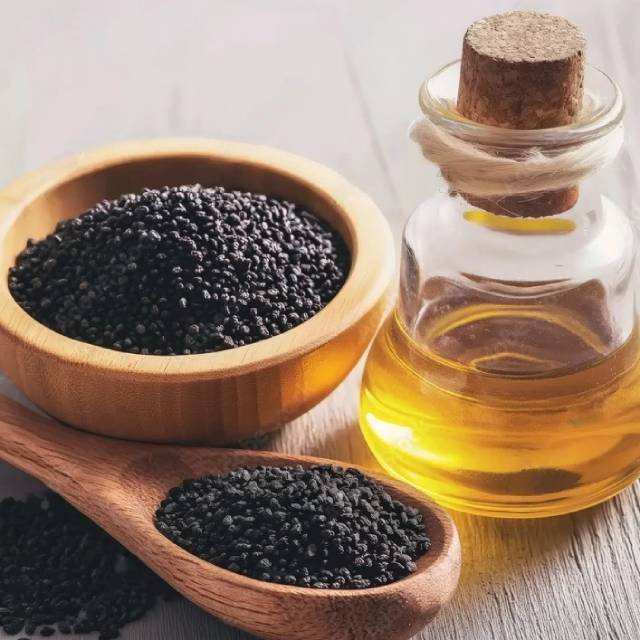
Black seed oil is a natural oil extracted from the seeds of Nigella sativa, a plant traditionally used in different cultures for food, personal care, and wellness applications. It is also known as black cumin seed oil or Nigella sativa oil. Due to its unique composition and wide range of uses, it has become an important ingredient for businesses across several industries.
Choosing a reliable black seed oil wholesaler helps businesses source oil in bulk quantities for manufacturing, packaging, and distribution. Wholesale purchasing can support consistent production, improve inventory planning, and help businesses meet customer demand. Understanding the oil’s extraction process, properties, and applications makes it easier to select the right quality for commercial use.
What Is Black Seed Oil?
Black seed oil is obtained from the small black seeds of the Nigella sativa plant. The oil contains fatty acids, including linoleic acid and oleic acid, along with other naturally occurring compounds. Thymoquinone is one of its best-known constituents and is frequently studied for its potential biological properties.
The colour, aroma, and composition of the oil can vary depending on the seed quality, extraction method, and storage conditions. Cold-pressed black seed oil supplier is often preferred by businesses seeking an oil produced without high-temperature extraction.
For commercial buyers, it is important to understand the intended application before selecting a grade. Oil used in cosmetic formulations may have different documentation and quality requirements from oil intended for food applications.
Common Uses and Benefits of Black Seed Oil
Black seed oil is valued for its versatile properties, making it suitable for various product formulations. Its benefits depend on the application, formulation, and quality of the raw material.
1. Skin Care Formulations
Black seed oil is used in creams, lotions, facial oils, and other personal care products. Its fatty acid content helps support the conditioning properties of cosmetic formulations. Manufacturers may combine it with other carrier oils and suitable ingredients to create products for different skin care needs.
Before incorporating the oil into a finished product, formulators should evaluate its stability, compatibility, odour, and skin tolerance.
2. Hair Care Products
Hair care manufacturers use black seed oil manufacturer in hair oils, scalp care products, conditioners, and nourishing treatments. It can help condition the hair and improve its appearance by supporting softness and manageability.
The oil is often blended with other plant-based oils to achieve a particular texture and product performance. Finished formulations should be tested for stability and suitability before commercial release.
3. Food and Nutritional Products
Depending on its grade, regulatory status, and intended use, black seed oil may be used in certain food products and nutritional preparations. Businesses must ensure that the oil meets applicable food safety requirements and that any claims made about its benefits are properly supported.
Not every cosmetic or industrial grade is suitable for consumption. Buyers should always verify the supplier’s documentation and the product’s intended-use specifications.
4. Traditional Wellness Applications
Black seed oil has a long history of traditional use. Modern research continues to investigate some of its naturally occurring compounds. However, traditional use does not establish that the oil can prevent, treat, or cure diseases.
Companies developing wellness products should follow relevant regulations and avoid unsupported medical claims.
How Is Black Seed Oil Processed?
Understanding the production process helps wholesale buyers evaluate product quality and consistency.
Seed Selection
The process begins with selecting suitable Nigella sativa seeds. Suppliers and manufacturers assess the seeds for cleanliness, maturity, and general quality. Proper sourcing helps reduce the risk of contamination and inconsistent oil characteristics.
Cleaning and Preparation
The seeds are cleaned to remove dust, stones, and other unwanted materials. Depending on the production method, they may undergo additional preparation before extraction.
Oil Extraction
Cold pressing is a commonly used method for producing black seed oil bulk manufacturer. The seeds are mechanically pressed to release their oil, with the process designed to limit heat exposure. Other extraction methods may also be used, depending on the manufacturer’s equipment and product specifications.
The extraction method can influence the oil’s aroma, colour, yield, and chemical composition.
Filtration and Quality Checks
After extraction, the oil may be filtered to remove suspended seed particles. Quality checks can include appearance, odour, acidity, peroxide value, and other parameters relevant to the intended application.
Depending on the product and market, testing for contaminants and verification of the botanical identity may also be necessary.
Packaging and Storage
The finished oil is packed in suitable containers that help protect it from light, heat, air, and contamination. Proper storage conditions are important because exposure to oxygen and excessive temperatures can affect oil quality over time.
Bulk buyers should check the recommended storage conditions, shelf life, batch identification, and packaging options before placing an order.
Industries That Use Black Seed Oil
Black seed oil serves different purposes across several commercial sectors.
1. Cosmetics and Personal Care: Manufacturers use it in facial oils, moisturisers, body oils, massage blends, and other cosmetic products.
2. Hair Care: Hair oil brands and personal care manufacturers may incorporate it into conditioning oils, scalp products, and hair treatment blends.
3. Food Manufacturing: Businesses producing eligible food products may use food-grade oil where permitted by local regulations and product specifications.
4. Nutritional Products: Manufacturers may consider appropriately qualified oil for certain nutritional preparations, subject to safety assessments and applicable regulations.
5. Private-Label Manufacturing: Businesses launching their own product brands may source bulk oil for packaging under private-label arrangements, subject to supplier capabilities and regulatory requirements.
6. Wholesale Distribution and Export: Distributors and exporters supply black seed oil to manufacturers, retailers, and other commercial buyers across domestic and international markets.
How to Choose a Reliable Wholesale Supplier
Selecting the right supplier is important for maintaining product consistency and protecting your business reputation. Consider these factors before purchasing.
- Product quality: Request a specification sheet and a recent certificate of analysis when available.
- Extraction method: Confirm whether the oil is cold-pressed or produced using another method.
- Purity and traceability: Ask about botanical identity, batch details, testing procedures, and contamination controls.
- Bulk availability: Check minimum order quantities, available packaging sizes, and the supplier’s ability to support repeat orders.
- Documentation: Verify safety data, technical information, and any food-grade or cosmetic documentation required for your application.
- Packaging and storage: Choose packaging appropriate for the oil’s quantity, transport conditions, and expected storage period.
- Communication: Work with suppliers that provide clear product information, realistic lead times, and responsive customer support.
Businesses should compare specifications rather than relying only on price. A low-cost product may not meet the quality or documentation requirements of a particular manufacturing process.
Why Bulk Purchasing Matters
Buying black seed oil in bulk can help manufacturers plan production and maintain sufficient raw material inventory. Larger orders may also reduce packaging and purchasing costs per unit, depending on order size and supplier terms.
However, bulk purchasing requires suitable storage facilities and realistic demand forecasting. Businesses should consider shelf life, packaging protection, production schedules, and cash flow before ordering large quantities.
Companies entering a new market may benefit from testing a smaller sample first. Once the oil meets their formulation and quality requirements, they can discuss regular supply arrangements.
Hetaksh Essential Oils is a name businesses can explore when researching sourcing options for plant-based oils and bulk ingredient requirements. Buyers should confirm current product availability, specifications, documentation, and commercial terms directly before placing an order.
Conclusion
Black seed oil is a versatile plant-derived ingredient used in cosmetics, hair care, eligible food applications, nutritional products, and wholesale distribution. Its commercial value depends on suitable sourcing, appropriate extraction, careful storage, and consistent quality control.
When selecting a supplier, businesses should evaluate product specifications, testing documents, packaging, traceability, and supply capacity. A well-informed purchasing decision can help manufacturers maintain consistent production and develop products that meet their intended market requirements.
Frequently Asked Questions (FAQs)
1. What is black seed oil?
Black seed oil is a plant-derived oil extracted from the seeds of Nigella sativa. It contains fatty acids and naturally occurring compounds and is used in selected cosmetic, personal care, and other applications.
2. What is black seed oil commonly used for?
It is commonly used in facial oils, creams, hair care products, massage blends, and certain food or nutritional applications when the product grade and local regulations permit.
3. What is cold-pressed black seed oil?
Cold-pressed black seed oil is produced by mechanically pressing the seeds while limiting heat exposure. The exact processing conditions vary by manufacturer and can affect the finished oil’s characteristics.
4. How can businesses check black seed oil quality?
Businesses can request a certificate of analysis, technical specifications, botanical identification details, batch traceability, and relevant safety or contaminant testing. Requirements depend on the intended use.
5. Which industries purchase black seed oil in bulk?
Cosmetics, personal care, hair care, eligible food manufacturing, nutritional product manufacturing, private-label businesses, and ingredient distributors may purchase it in bulk.
6. Is every type of black seed oil suitable for consumption?
No. Buyers should use only oil specifically produced and documented for food use and permitted under applicable regulations. Cosmetic-grade oil should not be assumed suitable for consumption.
7. How should bulk black seed oil be stored?
Store it in tightly sealed, suitable containers in a cool, dry place away from direct sunlight and excessive heat. Follow the supplier’s storage instructions and use the oil within its stated shelf life.
8. What should businesses ask before placing a wholesale order?
Ask about the extraction method, specifications, certificate of analysis, minimum order quantity, packaging, lead time, shelf life, traceability, and documentation for the intended application.
9. Can black seed oil be used in private-label products?
Yes, it may be sourced for private-label products when the supplier supports the required quantities and packaging arrangements. Businesses remain responsible for ensuring that their finished products meet applicable safety, labelling, and regulatory requirements.
10. How can a business choose the right black seed oil supplier?
Compare product quality, testing documentation, batch consistency, packaging, supply capacity, and commercial terms. Request a sample and evaluate it against your formulation or manufacturing requirements before committing to a large order.