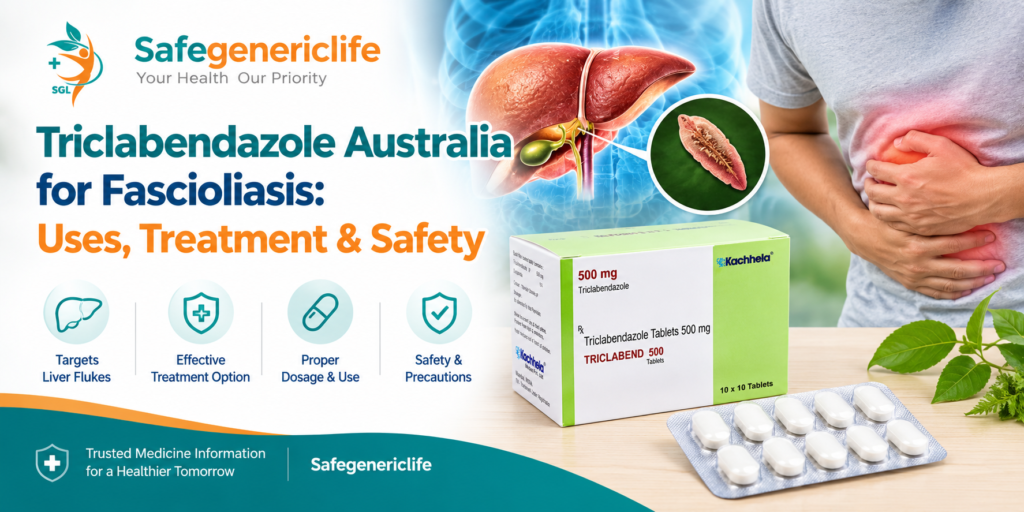
Triclabendazole Australia is a useful search term for people looking for information about triclabendazole, a medicine used to treat fascioliasis, a parasitic infection caused by liver flukes of the Fasciola species. These parasites can affect the liver and bile ducts and may cause abdominal discomfort, fever, nausea, and other symptoms.
What Is Fascioliasis?
Fascioliasis is a parasitic disease caused mainly by Fasciola hepatica and Fasciola gigantica. Humans can become infected by consuming contaminated water or raw aquatic plants carrying the parasite’s infectious stage.
The infection may develop in two phases:
- Acute phase: Immature parasites migrate through liver tissue, potentially causing fever, abdominal pain, fatigue, and inflammation.
- Chronic phase: Adult parasites may inhabit the bile ducts and contribute to digestive symptoms or biliary complications.
Symptoms can vary, and some people may not immediately recognize the infection. Medical assessment is important when fascioliasis is suspected.
What Is Triclabendazole Used For?
Triclabendazole is an antiparasitic medicine and is the World Health Organization’s recommended treatment for human fascioliasis. It acts against both immature and adult Fasciola parasites, making it useful during different stages of infection. Treatment outcomes are generally favorable, although treatment failure and resistance have been reported in some settings.
Triclabendazole is specifically associated with liver fluke infections. It should not be assumed to treat every type of intestinal worm or parasitic disease. The correct treatment depends on identifying the parasite responsible for the illness.
How Is Fascioliasis Diagnosed?
A healthcare professional may review symptoms, travel and food-exposure history, and laboratory or imaging results. Diagnostic methods may include:
- Stool testing: May identify parasite eggs, although more than one sample can sometimes be needed.
- Blood tests: May help detect evidence of infection, depending on the test used and stage of illness.
- Imaging: Ultrasound, CT, or MRI may be appropriate when liver or bile-duct complications are suspected.
Diagnosis can be challenging because test performance varies with the stage of infection. A clinician can determine which investigations are appropriate.
Triclabendazole Treatment: Important Considerations
The treatment regimen depends on the patient’s clinical circumstances and the guidance followed by the treating professional. International recommendations and approved product instructions may differ, so patients should not choose a dose based on online articles alone.
Before treatment, discuss the following with a healthcare professional:
- Whether fascioliasis has been confirmed or is strongly suspected.
- Your age, weight, medical history, and other medicines.
- Whether you are pregnant, planning pregnancy, or breastfeeding.
- Any previous reaction to triclabendazole or similar medicines.
- What follow-up testing may be needed to assess the response.
Triclabendazole is generally taken orally with food according to the prescribed instructions. Do not increase the dose, repeat treatment, or combine antiparasitic medicines without medical advice.
Side Effects and Safety Precautions
Some people may experience temporary side effects after treatment. These can include abdominal discomfort, nausea, headache, or dizziness. Symptoms may also arise from the infection itself, so a healthcare professional can help determine the likely cause.
For safer use:
- Follow the prescription and product instructions carefully.
- Tell your clinician about all medicines and supplements you take.
- Seek advice before using triclabendazole during pregnancy or breastfeeding.
- Attend recommended follow-up appointments, especially if symptoms continue.
- Get urgent medical help if you experience difficulty breathing, swelling of the face or throat, or another sign of a severe allergic reaction.
Persistent symptoms after treatment should be assessed rather than treated by taking extra doses independently. Triclabendazole resistance and treatment failure have been documented, making appropriate follow-up important.
Preventing Fascioliasis
Alongside appropriate medical treatment, food and water precautions can reduce the risk of infection:
- Avoid eating raw aquatic plants from potentially contaminated sources.
- Wash and thoroughly cook vegetables when their safety is uncertain.
- Drink water from safe, reliable sources.
- Follow local public-health advice in areas where liver fluke infections occur.
Preventive measures are important because treatment does not eliminate the risk of future exposure.
Triclabendazole Australia from Safegenericlife
People researching Triclabendazole Australia may compare medicine information, product descriptions, and availability through sources such as Safegenericlife. Before relying on an online supplier, verify the exact product, manufacturer, strength, packaging, and regulatory requirements that apply to your location.
Do not purchase or use a medicine solely because it is listed online. A qualified healthcare professional should confirm whether triclabendazole is appropriate for your diagnosis and advise on the correct treatment. Availability and importation rules can differ by country, including Australia.
Conclusion
Triclabendazole is an important treatment for fascioliasis because it acts against immature and adult liver flukes. However, accurate diagnosis, individualized prescribing, awareness of possible side effects, and follow-up care remain essential.