Hair loss can affect more than appearance. It can change how people feel about their hairline, hairstyle, and overall confidence. However, choosing a suitable replacement option involves more than selecting a colour or style that looks attractive. The replacement should complement the person’s natural hair characteristics, scalp condition, facial features, and everyday grooming preferences. Understanding these factors helps people make informed decisions about Hair Replacement in Dubai.
Hair replacement can refer to several solutions, including non-surgical hair systems, custom hairpieces, partial replacements, and surgical procedures such as hair transplantation. Each option serves different needs. Some people want to cover a thinning crown, while others need greater coverage across the frontal scalp or prefer a solution that works with their existing hair.
Matching a replacement to natural hair requires careful attention to texture, density, colour, length, and hair direction. The shape of the hairline also matters because an overly straight or dense design can look noticeably different from the surrounding hair. Lifestyle is another consideration, particularly for people who exercise regularly, swim, or prefer low-maintenance grooming.
Dubai offers a range of aesthetic and hair restoration services, but the most appropriate choice depends on individual requirements rather than location alone. A professional assessment can help determine which options are suitable, what level of maintenance may be necessary, and how realistic the expected appearance will be. Understanding the matching process makes it easier to compare available solutions and choose one that looks natural and fits long-term expectations.
Understanding Your Natural Hair Characteristics
Before selecting a replacement, it is important to understand the characteristics of the hair that remains. Natural hair differs considerably between individuals, even when they have similar patterns of hair loss.
Hair texture is one of the first factors to consider. Straight, wavy, curly, and coily hair each behave differently, affecting how a replacement blends with the surrounding strands. A replacement with a noticeably different curl pattern may be difficult to style consistently.
Hair density also influences the final appearance. Someone with fine, naturally sparse hair may benefit from a lighter, less dense replacement, while thicker surrounding hair may require a different approach. Excessive density can make a hairpiece or transplanted area appear unnatural.
Hair colour and undertones should be assessed under different lighting conditions. Natural hair often contains subtle variations rather than one uniform shade. Matching these details can help create a more consistent appearance.
Finally, the direction in which hair grows affects styling and coverage. The crown, temples, and frontal hairline have distinct growth patterns that should be considered when designing a replacement.
How Hairline Design Influences the Match
The hairline is one of the most noticeable features of any hair replacement. Its position, shape, and density influence how well the result complements the face.
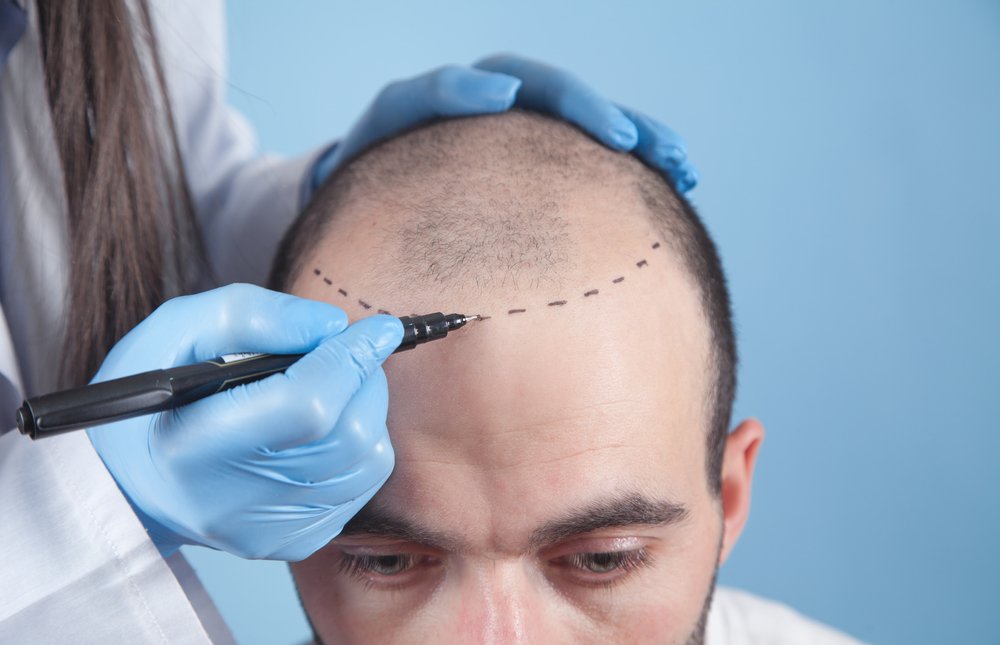
A natural hairline rarely forms a perfectly straight edge. Small variations, irregularities, and changes in density help create a more realistic transition between the forehead and hair.
The appropriate design depends on age, facial proportions, existing hair distribution, and personal styling preferences. A lower hairline is not necessarily better because it may look inconsistent with the person’s facial features or the surrounding hair.
For non-surgical systems, the hairline can be designed to suit the preferred hairstyle and coverage area. Surgical restoration requires additional consideration of donor hair availability, scalp condition, and the long-term progression of hair loss.
People considering Hair Replacement in Dubai should discuss how the proposed hairline will look from different angles and how it may change as their natural hair continues to thin.
Matching Hair Density, Length, and Volume
A convincing replacement should blend with the existing hair rather than stand out as a separate layer. Density, length, and volume all contribute to this balance.
For partial hairpieces, the transition between the replacement and natural hair is particularly important. If the replacement is significantly thicker than the surrounding strands, the difference may be visible around the edges. A suitable haircut can help soften this transition.
Length also influences the final result. Someone who prefers short hairstyles may need a different replacement design from someone who wears longer hair. The chosen length should support practical styling without making the replacement difficult to maintain.
Volume should be selected according to the person’s natural appearance and preferences. Excessive volume may require frequent styling and can create an artificial silhouette. A more balanced design often allows the replacement to blend naturally with the existing hair.
For surgical procedures, the available donor hair places practical limits on achievable density. A consultation should establish realistic expectations rather than promise complete restoration of the original thickness.
Selecting the Right Base, Material, and Attachment
For non-surgical hair replacement, the base material and attachment method can influence comfort, appearance, and maintenance.
Some systems use thin, skin-like bases designed to create a discreet hairline, while others use lace or fabric constructions that may offer different levels of breathability and flexibility. The appropriate material depends on the desired appearance, scalp sensitivity, climate, and frequency of wear.
Attachment methods also vary. Options may include adhesives, tapes, clips, or other securing systems, depending on the design and the individual’s needs. Each method has different maintenance requirements and may not be appropriate for every scalp condition.
Dubai’s warm climate makes heat, perspiration, and outdoor activity relevant considerations. People who exercise frequently should ask how the chosen system performs during physical activity and how often it requires cleaning or reattachment.
Those exploring Hair Replacement in Dubai should also clarify the expected lifespan of the system, the availability of servicing, and the ongoing cost of maintenance before making a decision.
How Different Hair Replacement Options Are Matched
The best approach depends on the type and extent of hair loss, the condition of the scalp, and the desired outcome.
A custom hair system may be suitable for someone who wants immediate coverage without undergoing surgery. It can be designed around a specific thinning area and matched to the person’s natural hair characteristics. Regular cleaning, adjustments, and replacement may be necessary to maintain its appearance.
Hair transplantation may be considered when someone wants a surgical approach using their own donor hair. Suitability depends on factors such as donor density, the cause of hair loss, medical history, and the likelihood of continued thinning. Results develop gradually, and additional treatment may be needed to manage ongoing hair loss.
Other non-surgical options, including partial hairpieces and integrated systems, may be appropriate for people who need coverage in specific areas while retaining some of their natural hair.
A qualified professional can explain the differences between these approaches and help determine which one aligns with the individual’s expectations, budget, and willingness to undertake maintenance.
What to Expect During a Hair Replacement Consultation
A consultation usually begins with a discussion of the person’s concerns, preferred hairstyle, and expectations. The specialist may examine the scalp, assess the distribution of existing hair, and ask about previous treatments or relevant medical conditions.
For a custom hair system, measurements and colour matching may be required. The specialist may also discuss base materials, attachment methods, cutting, styling, and maintenance schedules.
For surgical restoration, the assessment may include an examination of donor hair, the pattern of hair loss, scalp health, and the possibility of future progression. The clinician should explain the procedure, potential risks, recovery requirements, and realistic outcomes.
Photographs, sample materials, or a proposed hairline design may help clarify the available choices. Patients should feel comfortable asking questions and requesting explanations before agreeing to treatment.
Hair Replacement Services at Dubai Clinics
When comparing providers, it is important to distinguish between facilities offering surgical hair restoration and those offering non-surgical hair replacement. The availability of custom hair systems, specific procedures, and specialist services should be confirmed directly with each provider.
Enfield Royal Clinic
Enfield Royal Clinic is an option to consider when exploring aesthetic and hair restoration services in Dubai. People researching Hair Replacement in Dubai can enquire about the available approaches, the assessment process, and whether the clinic offers a solution that matches their hair characteristics and coverage requirements.
During an initial consultation, prospective patients should discuss their preferred hairline, natural hair density, scalp condition, and expectations for the final appearance. It is also useful to ask whether the recommended approach involves a non-surgical hair system or a medical hair restoration procedure, as these options have different requirements.
Before proceeding, patients should confirm the qualifications of the practitioner responsible for their treatment, the techniques currently offered, aftercare arrangements, and the expected long-term costs.
Dubai Cosmetic Surgery Clinic
Dubai Cosmetic Surgery Clinic is another provider people may investigate when comparing cosmetic and hair restoration options. Its current hair-related services should be confirmed directly before booking a consultation.
Those considering treatment can ask how their existing hair pattern, scalp condition, and desired hairstyle would influence the proposed approach. It is also important to understand whether the available service addresses temporary coverage needs or involves a medical procedure intended to restore hair growth.
A clear discussion of suitability, limitations, recovery, and maintenance can help patients compare options more effectively.
Dynamic Life Clinic
Dynamic Life Clinic may be included in a broader comparison of aesthetic healthcare providers in Dubai. Prospective patients should verify whether it currently offers the specific hair restoration or replacement service they require.
Questions about hairline planning, density, treatment techniques, and practitioner experience can help establish whether a proposed solution is appropriate. Patients should also ask how the provider evaluates individuals with diffuse thinning or ongoing hair loss, since these conditions may influence the choice of treatment.
The consultation should provide a clear explanation of expected outcomes and any continuing care that may be necessary.
Tajmeels Clinic
Tajmeels Clinic is another name patients may explore while researching aesthetic services in Dubai. Before choosing a provider, it is advisable to confirm the availability of hair replacement services and determine whether the clinic’s offerings align with individual needs.
People comparing providers should ask about hair matching, scalp assessment, available techniques, and the level of personalisation involved. If surgical restoration is being considered, questions about donor hair suitability and future hair loss are particularly important.
A detailed consultation can help clarify which options are realistic and whether additional treatment or maintenance may be required.
Cocoona Clinic
Cocoona Clinic can also be considered when researching aesthetic and hair-related services in Dubai. Patients should contact the provider to verify its current offerings and the qualifications of the professionals responsible for the proposed treatment.
The most useful assessment will consider the existing hair pattern, desired coverage, styling preferences, and long-term maintenance requirements. Patients should also request clear information about costs, follow-up appointments, and the limitations of the recommended option.
Comparing these details with those provided by other facilities can support a more informed decision.
Emirates Hospital
Emirates Hospital may be relevant to people seeking a healthcare setting in which to enquire about medical hair restoration. The availability of particular procedures and the appropriate specialist should be confirmed with the hospital.
For individuals considering a surgical approach, a medical assessment can help identify potential contraindications and establish whether the available donor hair is sufficient for the intended result. Patients should also discuss the possibility of progressive hair loss and whether a longer-term treatment plan may be appropriate.
The focus should remain on medical suitability, practitioner credentials, safety, and realistic expectations.
Al Zahra Hospital Dubai
Al Zahra Hospital Dubai is another healthcare provider that patients may contact when investigating medical options for hair loss. Prospective patients should verify which hair-related consultations or procedures are currently available.
Those considering treatment should ask how the clinician evaluates the cause of hair loss, assesses scalp health, and determines whether surgical restoration is appropriate. Understanding the potential benefits, limitations, recovery process, and follow-up requirements is essential before making a decision.
A medical evaluation is especially valuable when hair loss is sudden, unexplained, or accompanied by scalp symptoms.
King’s College Hospital London Dubai
King’s College Hospital London Dubai may be worth considering for individuals seeking medical advice about hair loss and possible treatment options. Patients should confirm whether the relevant specialist service is available and whether it addresses their particular concerns.
An appropriate medical consultation should consider the underlying cause of hair loss, relevant medical history, and the distinction between cosmetic coverage and treatments intended to restore hair growth. If a procedure is proposed, patients should receive an explanation of its suitability, risks, expected timeline, and follow-up care.
These details help establish whether the proposed treatment meets both medical needs and personal expectations.
How to Choose the Right Clinic for Hair Replacement in Dubai
Selecting a provider requires more than comparing photographs or advertised prices. The consultation process, professional qualifications, available techniques, and ongoing support all influence the overall experience.
Experience and qualifications
Check the credentials of the practitioner who will perform the procedure or oversee the treatment. For surgical hair restoration, confirm that the responsible clinician has appropriate training and authorisation. For non-surgical systems, ask about the provider’s experience in custom fitting, colour matching, and hairline design.
Technology and techniques
Ask which options are actually available and how they differ. A custom hair system, a partial hairpiece, and a transplant are not interchangeable solutions. The provider should explain why a particular approach suits the person’s hair type and pattern of loss.
Safety standards
For medical procedures, discuss infection prevention, anaesthesia where relevant, potential complications, and postoperative care. For non-surgical systems, ask about scalp hygiene, adhesive sensitivity, and the safe removal of attachments.
Consultation process
A useful consultation should include a review of expectations, an assessment of suitability, and an explanation of alternatives. Be cautious if a provider recommends an expensive procedure without adequately examining the scalp or discussing limitations.
Patient experience
Ask how appointments, adjustments, follow-up visits, and aftercare are managed. For hair systems, maintenance access can be particularly important. For surgical procedures, patients need clear instructions and a reliable way to contact the care team if concerns arise.
Expected results
Request realistic information about appearance, durability, maintenance, and the timeline for visible changes. Before-and-after photographs can provide context, but they should not be treated as a guarantee of comparable results. Individual outcomes depend on the chosen method and personal characteristics.
Frequently Asked Questions
How is hair replacement matched to natural hair?
Matching generally involves assessing colour, texture, density, length, curl pattern, and growth direction. For custom systems, the base and hairline are also tailored to the coverage area and preferred hairstyle. For transplantation, planning focuses on donor hair characteristics and the natural direction of growth.
Can hair replacement look completely natural?
A well-fitted system or carefully planned transplant can create a natural-looking appearance, but results vary. Appropriate density, a realistic hairline, colour matching, professional fitting, and regular maintenance all contribute to the outcome.
Is hair replacement suitable for every type of hair loss?
Not every option suits every person. Non-surgical systems can provide cosmetic coverage for different patterns of hair loss, while surgical restoration requires an assessment of donor hair, scalp health, and the cause of thinning. A qualified professional can help determine the appropriate approach.
How long does a hair replacement system last?
The lifespan varies according to the base material, hair quality, frequency of wear, attachment method, and maintenance routine. Some systems require regular servicing and eventual replacement. Patients should ask the provider for an estimate based on the specific system being considered.
Is surgical hair replacement better than a non-surgical system?
Neither option is universally better. A non-surgical system can provide immediate cosmetic coverage without surgery but requires ongoing maintenance. A transplant uses the patient’s own donor hair and develops over time, but it involves a medical procedure and may not provide sufficient coverage for every individual. The right choice depends on personal goals, suitability, and long-term preferences.
Conclusion
Matching a hair replacement to natural hair involves balancing appearance, comfort, practicality, and long-term expectations. Colour and texture matter, but density, hairline design, attachment methods, scalp health, and maintenance are equally important. The right approach should complement the existing hair rather than create an obvious contrast.
When exploring Hair Replacement, compare providers carefully, confirm which services they currently offer, and ask for a personalised assessment before committing to treatment. Understanding the differences between custom hair systems and surgical restoration can help you select an option that suits your hair characteristics, lifestyle, and budget while keeping expectations realistic.