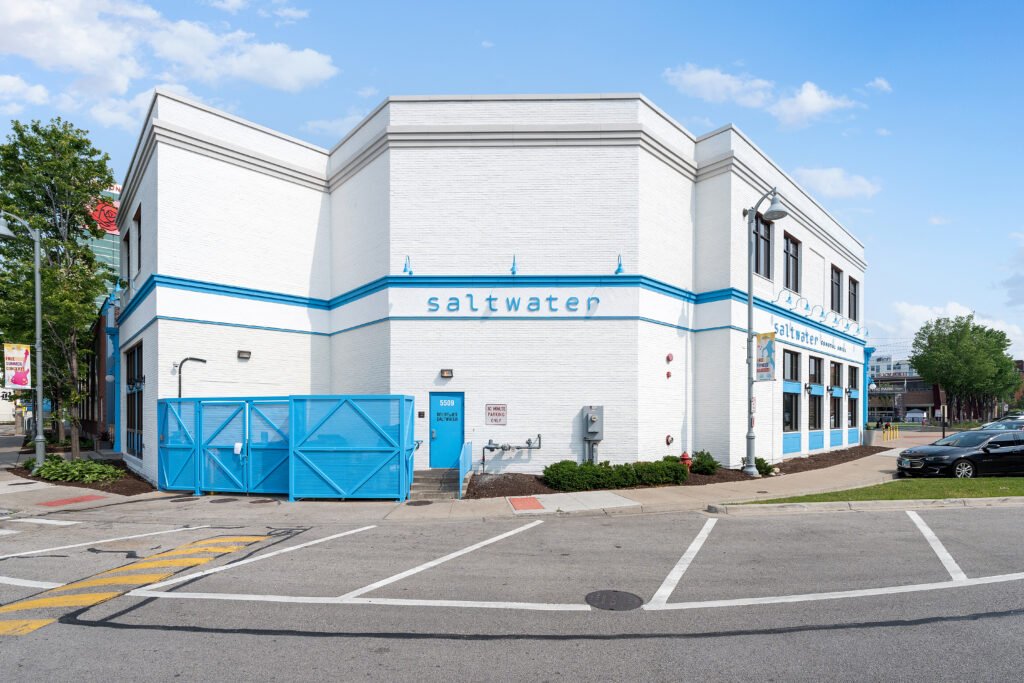
Short answer, yes. You can. But people throw that question around like it’s simple, and it isn’t, not really. Brick is porous. It drinks moisture and lets it back out, and that’s kind of the whole point of how a brick wall lives for a hundred years without rotting. When you slap exterior paint over it, you change that deal.
So the real question isn’t “can I,” it’s “should I, and what do I use.” If your bricks are in decent shape, a good coat of exterior paint can completely turn a tired house into something that looks new. If they’re crumbling, wet, or already flaking? Stop. Fix that first. Paint won’t hide structural trouble, it just makes it worse later.
Exterior Paint vs. Bricks Coloring: What’s the Difference?
Here’s something that confuses a lot of homeowners. Exterior paint sits on top of the surface like a film. Bricks coloring, which you’ll also hear called brick staining or masonry tinting, soaks into the material instead. Different animals.
Paint gives you bold, solid color and covers old mismatched patches. Stain gives you that natural, slightly uneven look where the brick texture still shows through. Some people love paint because it’s clean and modern. Others go for staining because they want the brick to still look like brick, just a different shade. Neither is wrong. It depends on what you’re after and, honestly, how much you’re willing to maintain.
Picking the Right Exterior Paint for Brick Surfaces
Not all exterior paint works on masonry, and this is where folks get burned. Grab a random can of regular wall paint and you’ll be repainting in two years, maybe less.
You want something labeled for masonry or brick, ideally a breathable acrylic or elastomeric formula. Breathable matters a lot. Trapped moisture is the enemy, it pushes paint right off the wall in sheets. Look at the finish too. Flat or satin usually hides the rough texture better than gloss, and gloss on brick can look a bit weird, like plastic wrapped around a wall.

Ask at the paint store. Seriously. The folks behind the counter usually know which products hold up in your climate, and that’s worth more than reading ten online reviews.
Prep Work Is Where Most Painting Jobs Win or Lose
Nobody wants to hear this part. But prep is about 70 percent of the result, I’m not exaggerating much.
Start by cleaning the brick. Pressure wash it, or scrub with a stiff brush and a mild cleaner if the wall is delicate. Get rid of dirt, mildew, loose paint, that white powdery stuff called efflorescence. That powder is salt coming out with moisture, and if you paint over it, it’ll push through and ruin the finish. Let the wall dry fully, give it a few sunny days at least. Rushing here is the number one mistake I see.
Then patch cracks, fix crumbling mortar, and prime. A masonry primer helps the exterior paint grip and keeps the color from soaking in unevenly. Skipping primer is a gamble, and the odds aren’t great.
How Bricks Coloring Works Without Hiding the Texture
Okay, let’s talk about the staining side. Bricks coloring products, usually mineral-based or acrylic stains, penetrate the surface and bond with the brick itself. So there’s no film to peel. That’s a big deal for longevity, some stains last fifteen years or longer.
The look is softer. You can warm up a washed-out red brick, or go gray, or white-wash it for that old European farmhouse vibe. Limewash is popular right now too, a bit chalky and uneven in a good way. The catch? It’s harder to reverse. Once the color soaks in, you’re mostly stuck with it, or you’re looking at heavy chemical stripping. So test a small hidden patch first. Always.
What Does It Cost to Repaint or Recolor Brick?
Money talk. It varies a lot, so take these as rough ballparks, not promises.
Hiring a pro to paint the exterior of an average house usually lands somewhere in the several-thousand-dollar range, and brick costs more than siding because of the extra prep and primer. DIY can cut that by more than half, but you’ll spend on a pressure washer rental, masonry paint, a sprayer, ladders, and your weekends. Staining or bricks coloring tends to be a bit pricier per square foot at first, but it needs less upkeep later.
Think long term. Cheap now and repainting in four years isn’t actually cheap.
DIY or Hire a Professional Painter?
Honestly, it depends on the house. One story, small footprint, easy access? A patient DIYer can handle it. Two stories with tall gables and tricky trim, I’d call somebody. Ladders and brick walls and wet paint, not a fun combo.
Pros also have airless sprayers that push paint deep into rough brick texture and the mortar joints. A roller alone struggles with that, you end up with tiny pinholes of old color peeking through. If you do hire, get at least three quotes, ask what primer and paint they plan to use, and don’t just pick the cheapest. Ask about warranty too. Good painters stand behind their work.

Best Time of Year for Exterior Paint on Brick
Weather matters more than people think. Paint needs mild temperatures, usually between 50 and 85 degrees Fahrenheit, and dry days. No rain in the forecast for at least 24 to 48 hours after you finish.
Avoid painting in direct harsh sun, because it dries too fast and the finish can blister or look streaky. Spring and early fall are usually the sweet spots. And don’t paint right after heavy rain, brick holds water for days, even when it looks dry on the surface. A cheap moisture meter helps, or just wait longer than you think you need to.
Common Mistakes That Ruin a Brick Paint Job
I’ve seen the same few mistakes over and over. Painting over damp brick. Skipping the primer. Using interior or low-grade paint. Ignoring cracked mortar and just covering it up. Picking a color from a tiny sample chip and then freaking out when it looks totally different on a whole wall.
Oh, and one more thing, people forget the maintenance part. Painted brick isn’t maintenance-free. Plan a wash every year or two, touch up chips quickly, and check for peeling near the ground, where moisture likes to creep up. Small fixes now stop big headaches later.
Conclusion
Painting brick can transform a house, no question. Whether you go with solid exterior paint or the softer approach of bricks coloring, the outcome comes down to the boring stuff: good prep, the right masonry product, decent weather, and patience. Rush it and you’ll pay for it twice.
If your brick is healthy and you’ve got a clear idea of the look you want, go for it. If you’re unsure, test a small patch, talk to a local pro, and take your time. A house is a big investment, and the color on it is the first thing everyone sees.
FAQs
Is exterior paint good for brick walls?
Yes, if it’s a masonry-rated, breathable exterior paint. Regular paint tends to trap moisture and peel.
How long does exterior paint last on brick?
Usually 10 to 15 years with proper prep and primer, sometimes less in harsh climates.
Is bricks coloring better than painting?
Stain soaks in and won’t peel, so it lasts longer, but it’s harder to undo. Paint offers more color options and easier changes later.
Do I need primer before painting brick?
Almost always, yes. Masonry primer helps adhesion and keeps the finish even.
Can I paint brick myself?
You can, if the house is small and accessible. Larger or taller homes are usually better left to a pro.
What’s the best season to paint exterior brick?
Spring and early fall, when it’s mild and dry.
Will painting brick lower my home’s value?
It depends on the neighborhood and how well it’s done. A clean, well-done job often boosts curb appeal, while a sloppy one can hurt.