Beyond the Barn: Why Horse Hoods Are an Essential Part of Everyday Equine Care
If you spend enough time around a barn, you learn pretty quickly that keeping a horse clean, comfortable, and healthy is half the battle of horse ownership. Whether you are prepping for a weekend show, trying to keep a sleek summer coat intact, or just trying to protect a sensitive gelding from swarms of mid-summer flies, equestrians are always looking for reliable gear that makes daily management easier.
One piece of tack that often flies under the radar for beginners—but is absolute gold for seasoned owners—is the horse hood. While it might look a little funny to non-horse people the first time they see one slicked over a horse’s neck, horse owners know just how versatile and practical this piece of equestrian apparel really is.
From coat care to insect prevention and winter warmth, let’s dive into why horse hoods deserve a permanent spot in your tack trunk and how to choose the right one for your horse.
What Exactly Is a Horse Hood?
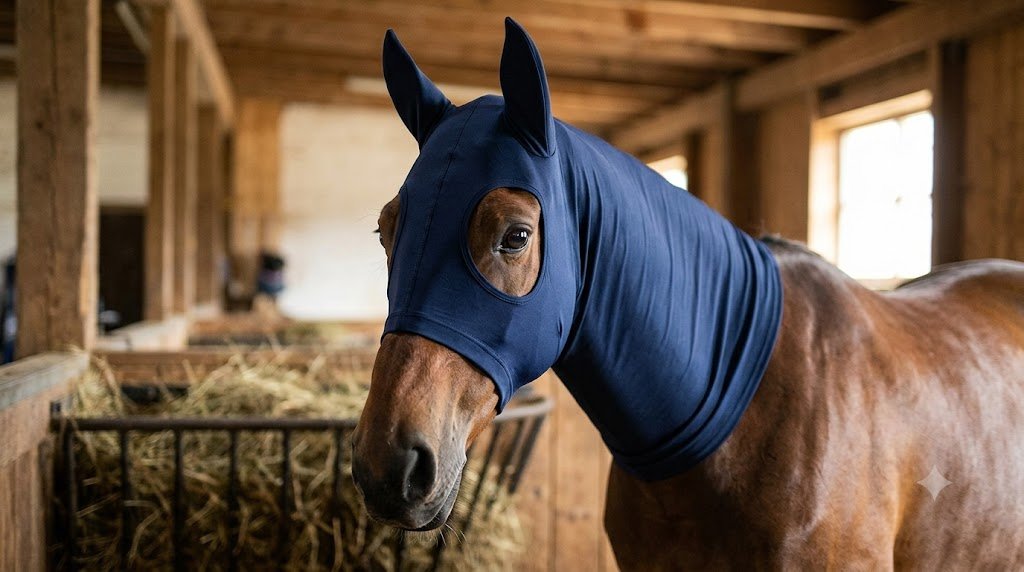
A horse hood is a form-fitting sleeve designed to cover a horse’s neck and head. Depending on the design and material, it may cover just the neck from the shoulders up, or extend all the way over the head with cutouts for the ears and eyes.
They generally fall into two main categories:
- Lycra or Spandex Hoods (Sleekers): These lightweight, stretchy garments fit snug against the skin like a second layer. They are primarily used for grooming, keeping braids neat, preventing rubbing, and giving the coat a polished shine.
- Turnout or Heavyweight Hoods: Made from durable, waterproof, or heavy fleece materials (like 1200D polyester or heavy wool), these attach directly to winter blankets or turnout sheets. They are built to protect horses from rain, snow, wind, and freezing temperatures.
4 Major Benefits of Using Horse Hoods
Why do so many trainers, competitors, and backyard horse owners rely on them? Here are the biggest advantages:
1. Show-Day Grooming and Braiding Protection
There is nothing more frustrating than spending two hours neatly braiding a mane on Friday night, only to walk into the stall on Saturday morning and find your horse rubbed half of them loose on the feed bucket.
Sleek horse hoods are the ultimate insurance policy for show prep. They hold braids securely against the neck, keep the mane lying flat on the correct side, and shield the coat from shavings, manure stains, and dirt overnight. When you unzip or pull off the hood right before entering the ring, your horse looks like they were freshly bathed minutes ago.
2. Preventing Blanket Rubs and Hair Loss
During the winter months, heavy blankets can cause friction against a horse’s sensitive shoulders, mane, and wither area. Over time, this constant rubbing leads to bald patches or thinned manes. A well-fitted hood reduces friction by creating a soft barrier between the horse’s hair and the heavier outer blanket, ensuring their coat stays full and undamaged all season long.
3. All-Weather Protection
Horses lose a significant amount of body heat through their neck and head. When severe cold snaps, freezing rain, or howling winds hit, a body blanket alone often isn’t enough for clipped horses, seniors, or hard keepers. Adding a turnout hood provides complete coverage, helping your horse conserve body heat without having to burn extra calories just to stay warm.
On the flip side, lightweight summer hoods made from UV-blocking mesh keep flies, midges, and harsh sunlight away. This helps prevent “sweet itch” (insect hypersensitivity) and stops dark coats from bleaching out in the summer sun.
4. Keeping Clean in the Muddy Season
If your horse loves nothing more than dropping down for a deep, lingering roll in the thickest mud patch in the pasture, a hood will save your sanity. By covering the neck and ears, you eliminate hours of curry-combing dried, caked-on mud out of difficult-to-reach areas before you ride.
How to Choose the Right Fit
A poorly fitting hood can do more harm than good, leading to eye irritation, restriction of movement, or uncomfortable tightness. When shopping for horse hoods, keep these fit checks in mind:
- Eye and Ear Clearance: Make sure the eye holes sit comfortably away from the horse’s eyes. The material should never pull or ride back into the eye socket when the horse lowers its head to graze.
- Muzzle and Jaw Room: Check that the fleece noseband or zip closure isn’t tight around the jaw. Your horse needs to be able to chew, swallow, and yawn naturally.
- Shoulder Sweep: The bottom of the hood should lay flat over the shoulders and tuck neatly under or secure directly to the blanket. Look for adjustable elastic straps or sturdy center zippers to make putting it on and taking it off stress-free.
Simple Care Tips to Make Them Last
Because horse hoods sit directly against your horse’s coat, they gather sweat, dander, and shed hair quickly. Keeping them clean is essential for skin health:
- Wash Regularly: Machine wash on a gentle cycle using a mild, non-irritating detergent (especially if your horse has sensitive skin). Skip the fabric softener, as it can reduce breathability.
- Secure the Fasteners: Before throwing a hood in the washing machine, close all velcro tabs and hook-and-loop straps so they don’t snag on the fabric or eat up other laundry.
- Line Dry: Air-drying lycra and waterproof materials preserves the stretch, elasticity, and waterproof coatings far longer than high-heat machine drying.
Conclusion
Whether you’re prepping for an upcoming show circuit or simply trying to make turnout time a little cleaner during mud season, investing in quality horse hoods is one of the smartest upgrades you can make to your equine wardrobe. By offering targeted protection against dirt, weather, insects, and friction, a good hood keeps your horse feeling comfortable—and saves you valuable time at the barn every single day.