Introduction to a Legendary Cultivar
The Snowman strain has earned its place among the most recognizable names in modern cannabis. Its frosty appearance, complex aroma, and sativa-leaning effects have made it a sought-after cultivar for both connoisseurs and cultivators. Understanding the story behind Snowman means understanding the genetic architecture that sets it apart from countless other hybrids on the market. This deep dive explores the lineage, terpene expression, and cultivation characteristics that define this exceptional phenotype.
The Genetic Origins of Snowman
A Descendant of Girl Scout Cookies
At its core, Snowman is a phenotype of the legendary Girl Scout Cookies (GSC) . This lineage connects Snowman to a family tree that includes OG Kush and Durban Poison, two foundational strains that have shaped modern cannabis breeding . The GSC parentage explains much of Snowman’s appeal: the sweet, doughy aroma, the resin-heavy buds, and the balanced hybrid effects that made GSC a household name.
The Cookie Fam Connection
Snowman was selected from the Cookie Fam’s proprietary gene pool, with breeder Kenny Dumetz of Powerzzzup Genetics credited for identifying this particular phenotype . The strain circulated as a clone-only variety within the Cookies network for years before becoming more widely available, which explains why verified genetics remain somewhat difficult to source .
Sativa-Dominant Expression
Unlike some GSC phenotypes that lean toward heavy body effects, Snowman expresses a sativa-dominant profile typically reported at 60 to 70 percent sativa . This genetic expression delivers the cerebral energy and creative stimulation that have become the strain’s signature.
The Terpene Profile That Defines the Experience
A Symphony of Aromatic Compounds
The terpene composition of Snowman is where its true character emerges. Beta-caryophyllene typically leads the profile, often comprising 0.5 to 0.9 percent by weight in terpene-rich batches . This peppery, spicy compound contributes both to the gassy aroma and to potential anti-inflammatory properties through its interaction with CB2 receptors.
The Role of Limonene and Myrcene
Limonene appears prominently, usually between 0.3 and 0.6 percent, adding citrus brightness and mood-elevating effects . Myrcene provides the earthy, musky undertone that grounds the sweeter notes, while humulene contributes subtle woody and hop-like nuances. Pinene and linalool round out the profile, adding clarity and floral calmness respectively .
Total Terpene Content
Well-cultivated Snowman batches commonly test between 1.6 and 2.4 percent total terpenes, with select phenotypes exceeding 3.0 percent . This density supports robust aroma retention and explains why Snowman is frequently praised for its flavor complexity.
Aroma and Flavor: From Cookie Dough to Diesel
The Initial Impression
Cracking open a jar of quality Snowman releases a rush of sweet cream, powdered sugar, and vanilla cookie dough . This dessert-forward opening reflects the GSC heritage and immediately distinguishes Snowman from more one-dimensional sweet strains.
The Diesel and Spice Backbone
Beneath the sweetness lies a prominent diesel-gas character, a signature of the OG Kush influence in the lineage . This fuel-forward note prevents the aroma from becoming cloying and adds a savory edge that balances the confectionery elements.
The Finish
On exhale, many users detect peppery spice, a faint citrus rind snap, and a cooling herbal mint quality when pinene is present in higher concentrations . The lingering sweet finish makes Snowman particularly enjoyable for flavor-focused consumers.
Cannabinoid Profile and Potency
THC Levels
Legal-market certificates of analysis from recent years typically report Snowman THC content between 23 and 27 percent, with some batches testing even higher . This places Snowman firmly in the high-potency category, suitable for experienced consumers.
Minor Cannabinoids
CBD levels remain minimal, usually between 0.1 and 0.5 percent . CBG, however, often appears between 0.3 and 1.2 percent, potentially contributing subtle anti-anxiety properties that complement the THC experience .
Effects: Cerebral Energy Meets Gentle Relaxation
The Initial Lift
Snowman’s effects typically begin with a rapid cerebral rush characterized by euphoria, creativity, and focused energy . Users frequently report enhanced mood, increased talkativeness, and a sense of mental clarity that makes the strain suitable for daytime use or creative pursuits.
The Body Component
As the initial stimulation settles, a gentle wave of physical relaxation emerges without sedation or couch-lock . This balanced quality makes Snowman a versatile option for those seeking relief from stress or mild tension while remaining functional.
Medical Applications
Medical cannabis patients commonly select Snowman for symptoms associated with anxiety, stress, and depression . The strain’s ability to promote focus without jitteriness has also made it popular among those managing fatigue or creative blocks .
Cultivation Characteristics
Growth Structure and Flowering Time
Snowman grows vigorously, producing medium-tall plants with substantial stretch during the vegetative phase . Flowering completes in approximately 7 to 10 weeks depending on phenotype and environment . Indoor yields average 1 to 2 ounces per square foot, while outdoor plants can produce up to 18 ounces .
The Mold Challenge
The strain’s defining trait—extreme trichome coverage and dense bud structure—also presents its greatest cultivation challenge. Dense, resinous colas create ideal conditions for botrytis (bud rot), particularly in late flower . Successful growers invest in proper environmental controls, maintaining humidity below 55 percent during lights-off and ensuring aggressive airflow through the canopy.
Training Recommendations
Topping once or twice during vegetative growth encourages multiple even colas rather than a single dominant main stem that can become a mold magnet . Low-stress training and Screen of Green methods help manage height and spread bud sites evenly. Defoliation in weeks three through five of flower improves airflow and light penetration.
Why Snowman Stands Out
Visual Appeal
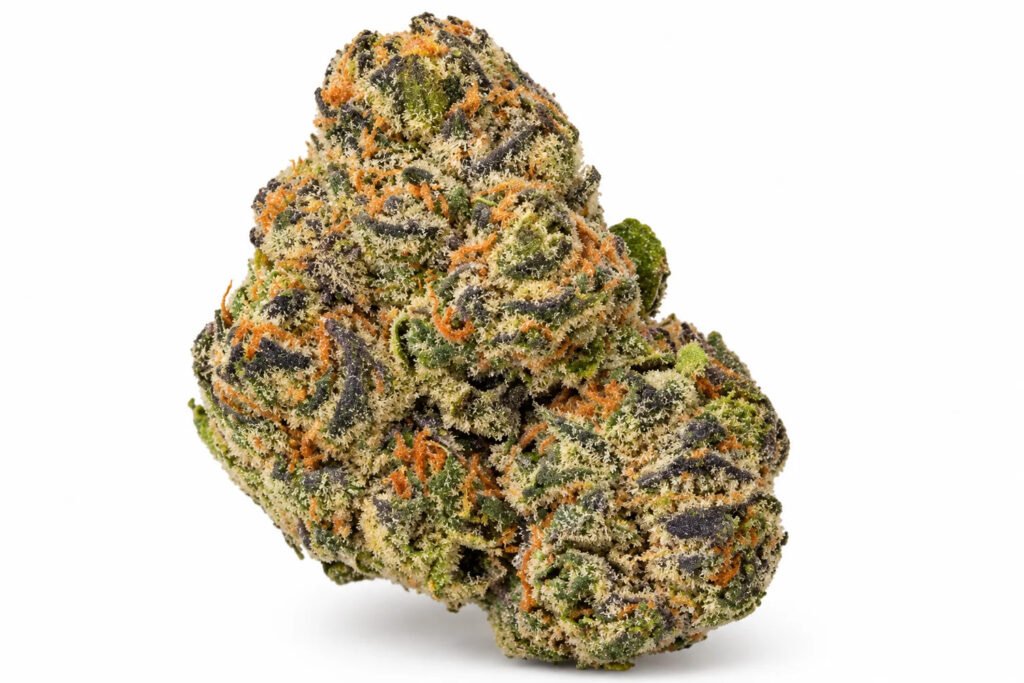
The strain’s name derives from its appearance: lime-green buds covered in a thick, snow-white layer of trichomes that glisten like frost . Burnt-orange pistils provide striking contrast, and some phenotypes develop purple hues with cooler nighttime temperatures .
The Miiintz Standard
For those seeking premium hemp flower with similar dessert-forward characteristics, brands like Miiintz prioritize the same principles that make Snowman exceptional: aroma-first cultivation, careful handling, and freshness preservation. Their California-grown, hand-trimmed, fresh-sealed approach reflects the care that top-tier genetics deserve.
Conclusion: A Cultivar Worth Understanding
Snowman represents the best of what modern cannabis breeding can achieve: a visually stunning plant, a complex and memorable aroma, and a balanced effect profile that suits both creative and relaxing occasions. Its GSC lineage provides a foundation of quality, while its sativa-dominant expression and extreme resin production distinguish it from countless other hybrids. For cultivators willing to meet its environmental demands and consumers seeking a strain with genuine depth, Snowman delivers on multiple fronts. Understanding its genetics, terpenes, and growth characteristics empowers better selection, cultivation, and appreciation of this frosty standout.
Visit for more info:- https://miiintz.com/blogs/news/snowman-thca-flower-frosty-exotic-cannabis-genetics