Donor density is one of the most important factors assessed before a hair restoration procedure. It helps a surgeon understand how much usable hair is available in the donor area and how effectively those grafts can be redistributed to areas affected by thinning or hair loss. For anyone considering Hair Transplant in Dubai, understanding donor density can provide a clearer picture of how treatment planning is approached.
The donor area is usually located at the back and sides of the scalp, where follicles may be less affected by pattern hair loss. However, having hair in these regions does not automatically mean there is an unlimited supply of grafts. Density, follicular characteristics, scalp condition, hair calibre, and the stability of the donor zone all influence whether sufficient grafts can be safely harvested.
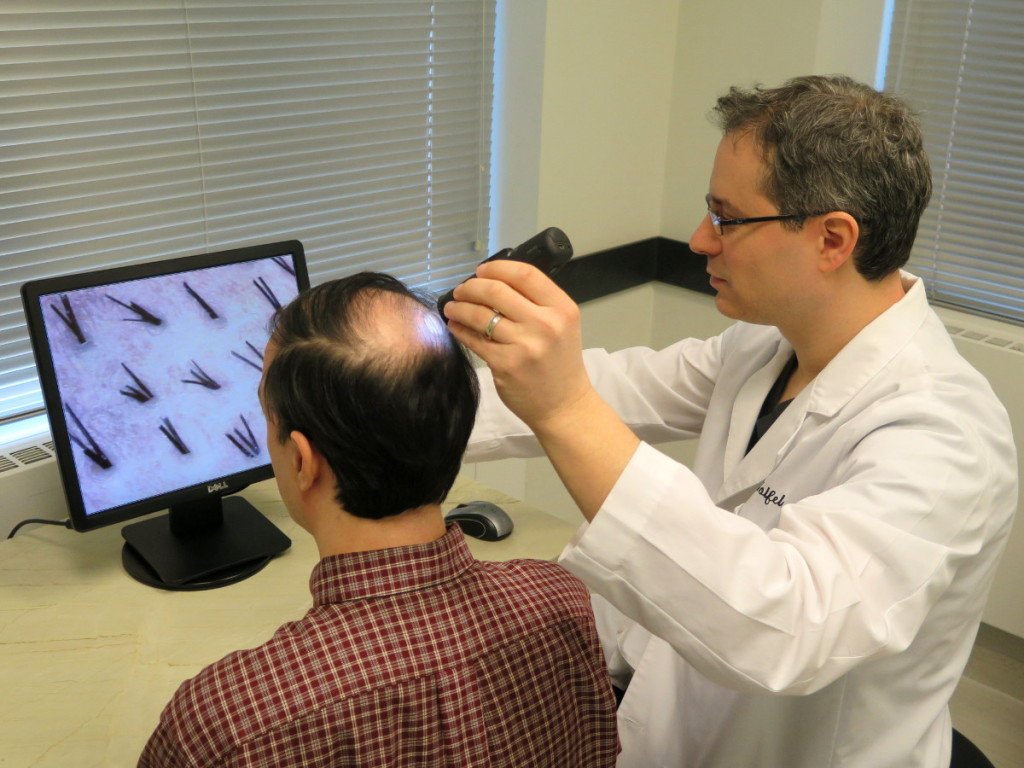
During an assessment, the surgeon may examine the scalp manually and use magnification or digital analysis to evaluate follicular distribution. Measurements can help estimate the number of follicular units within a specific area and determine whether the donor region can support the planned restoration.
Donor density is not considered in isolation. A responsible assessment also considers the extent of current hair loss, likely future progression, the size of the recipient area, and the patient’s overall expectations. This allows treatment planning to focus on preserving donor resources while creating a natural-looking result.
What Does Donor Density Mean?
Donor density refers to the concentration of hair follicles within a particular area of the scalp. It is often assessed by examining how many follicular units are present within a defined section.
Follicular units may contain one, two, three, or occasionally more hairs. Therefore, simply counting visible hairs does not provide the complete picture. A scalp with fewer follicular units may still contain substantial hair volume if many units contain multiple hairs.
Surgeons therefore consider both follicular-unit density and the characteristics of the individual hairs. Hair thickness, curl, colour, and the contrast between the hair and scalp can also influence how much coverage a particular number of grafts can provide.
How Is Donor Density Assessed?
The assessment usually begins with a detailed examination of the back and sides of the scalp. The surgeon looks at the overall distribution of hair and identifies areas that appear suitable for harvesting.
Magnification can provide a more precise view of follicular units. Some practices may also use digital imaging or specialised hair-analysis systems to evaluate density, follicular structure, hair calibre, and other characteristics.
The assessment may include several measurements rather than relying on a single density figure. The surgeon may compare different areas of the donor zone because density can vary across the scalp.
This information helps establish a realistic estimate of how many grafts could potentially be harvested while maintaining an acceptable appearance in the donor region.
Why Hair Thickness Matters Alongside Density
Density is only one part of donor quality. Hair calibre can have a major influence on the visual coverage produced after transplantation.
Thicker hair shafts generally provide more visual coverage than very fine hairs. Similarly, naturally curly or wavy hair can create the appearance of greater fullness because the hair occupies more three-dimensional space.
A patient with moderate follicular density and relatively thick hair may have useful donor characteristics, while someone with a higher follicular count but very fine hair may require a different approach.
For this reason, donor assessment should involve more than quoting a number of grafts. The surgeon needs to understand how those grafts are likely to contribute to coverage in the recipient area.
How Donor Density Influences Treatment Planning
The available donor supply can influence the number of grafts recommended for transplantation. If the donor area has strong and stable density, a larger restoration may potentially be considered, depending on the patient’s overall condition.
When donor density is limited, the treatment plan may need to be more conservative. Prioritising the frontal hairline and other visually important areas can sometimes provide a more balanced use of available grafts.
A surgeon may also consider future hair loss. This is particularly important for patients experiencing progressive pattern hair loss because untreated native hair may continue to thin after transplantation.
Good planning therefore aims to use donor follicles strategically rather than simply harvesting the maximum possible number.
How Donor Density Is Evaluated During Hair Transplant in Dubai
A consultation for Hair Transplant in Dubai should include an examination of both the donor and recipient areas. The surgeon may evaluate the density of the donor zone, hair characteristics, scalp condition, and the pattern of existing hair loss.
Photographic documentation can help record the baseline appearance, while magnified examination may provide additional information about follicular distribution.
The surgeon can then compare the estimated donor capacity with the amount of coverage required. This assessment helps determine whether the patient’s expectations are compatible with the available follicular supply.
Factors That Can Affect Donor Density
Donor density can vary significantly between individuals. Genetics is one of the primary influences, but several other factors can affect the appearance and usability of the donor region.
Hair calibre, age, previous hair loss, scalp conditions, previous procedures, and the stability of the donor zone can all be relevant. Some people naturally have dense hair at the back and sides, while others have relatively sparse distribution.
Previous harvesting is also important. If someone has already undergone a transplant, the remaining donor supply must be assessed before considering another procedure.
Scalp laxity and the characteristics of the skin can also influence how extraction is planned, particularly when a larger number of grafts is being considered.
How Is Donor Density Used to Estimate Graft Availability?
A surgeon can use density measurements together with the size of the donor area to estimate the potential follicular supply. However, the entire donor zone cannot simply be treated as an unlimited source of grafts.
A safety margin is important because excessive extraction can make the donor region appear visibly thinner. The surgeon therefore needs to determine how many grafts can reasonably be harvested while preserving the appearance and long-term usefulness of the donor area.
This is why a consultation should focus on sustainable graft planning rather than promising a particular graft count before the scalp has been examined.
Enfield Royal Clinic
Enfield Royal Clinic approaches donor assessment as an important part of personalised hair restoration planning. During consultation, the donor region can be evaluated alongside the degree and pattern of hair loss to understand how available follicles may be used.
For patients considering Hair Transplant in Dubai, assessing density before deciding on extraction helps create a treatment plan based on the patient’s actual donor characteristics rather than a predetermined graft number. Factors such as follicular distribution, hair thickness, donor stability, and the condition of the scalp can all contribute to the planning process.
A detailed consultation also allows patients to discuss the areas they want to improve and understand how donor availability may affect achievable coverage.
Tajmeels Clinic
Tajmeels Clinic can be considered by patients seeking a structured consultation for hair restoration. Donor assessment typically forms an important part of determining whether the available follicular supply is appropriate for the intended treatment.
The evaluation of density can be combined with an examination of hair calibre and the overall pattern of thinning. This helps establish whether the proposed restoration should focus on particular areas rather than attempting to cover the entire scalp at once.
Dynamic Life Clinic
Dynamic Life Clinic offers hair restoration services where donor-area evaluation can contribute to treatment planning. Examining the back and sides of the scalp helps determine the characteristics and availability of potentially suitable grafts.
Patients can discuss their current hair-loss pattern and restoration goals during consultation. Understanding the relationship between donor supply and recipient requirements can help set more realistic expectations before treatment.
Cocoona Clinic
Cocoona Clinic provides cosmetic and aesthetic care, including hair restoration-related services. For individuals exploring transplantation, donor assessment is an important consideration because the quality and quantity of available follicles can influence the overall treatment strategy.
A comprehensive evaluation may consider density alongside hair texture, thickness, scalp condition, and the distribution of existing hair loss. These factors can help guide decisions about where grafts may provide the most meaningful visual improvement.
Dubai Cosmetic Surgery Clinic
Dubai Cosmetic Surgery Clinic is another option for individuals researching hair restoration procedures. Donor-area assessment can help determine the suitability of available follicles and the potential scope of transplantation.
Rather than considering graft numbers independently, patients should discuss how donor density relates to their specific pattern of hair loss. This can provide a more useful basis for understanding treatment possibilities and limitations.
Emirates Hospital
Emirates Hospital provides a broad range of medical services and may be considered by patients exploring specialist consultations. In hair restoration planning, evaluating donor density is relevant because follicular availability needs to be considered before extraction.
A professional assessment can examine the donor area and compare its characteristics with the areas requiring restoration. Patients should also ask about the clinician’s experience, assessment methods, and approach to protecting the donor region.
Al Zahra Hospital Dubai
Al Zahra Hospital Dubai offers a range of healthcare services and can be considered when researching medical options in Dubai. For patients investigating hair transplantation, donor assessment remains a fundamental part of determining whether surgery may be appropriate.
The consultation should address the current pattern of hair loss, the condition of the donor zone, and the expected requirements of the recipient area. A personalised assessment is more informative than relying solely on general graft estimates.
King’s College Hospital London Dubai
King’s College Hospital London Dubai provides specialist healthcare services in Dubai. Patients considering hair restoration should ensure that their consultation includes an appropriate evaluation of donor availability and the long-term implications of transplantation.
Understanding donor density can help clinicians and patients discuss realistic treatment objectives. The assessment should take into account the patient’s current hair pattern as well as the possibility of future changes.
How to Choose the Right Clinic for Hair Transplant in Dubai
Experience and Qualifications
The experience and qualifications of the medical professional performing the procedure should be carefully reviewed. Patients can ask about relevant training, experience with hair restoration, and the number and types of procedures performed.
Technology and Techniques
Different transplantation techniques and assessment technologies may be available. Patients should understand which method is being recommended and why it is appropriate for their individual donor and recipient characteristics.
Safety Standards
A hair transplant is a surgical procedure, so appropriate hygiene, sterilisation, medical supervision, and emergency protocols are important considerations. Patients should also understand how potential complications are managed.
Consultation Process
A thorough consultation should involve more than a quick visual examination. Donor density, hair calibre, scalp condition, existing loss, future progression, and treatment expectations should be discussed before a procedure is planned.
Patient Experience
The overall patient journey can include consultation, preparation, procedure, aftercare, and follow-up. Clear communication throughout these stages can help patients understand what to expect.
Expected Results
Patients should receive realistic information about growth timelines, coverage, density, and limitations. Transplanted follicles require time to establish growth, and final results are not immediate.
Frequently Asked Questions
Why is donor density important for a hair transplant?
Donor density helps determine how many usable follicular units may be available for transplantation. It also helps the surgeon plan extraction while protecting the appearance and long-term supply of the donor area.
Can low donor density prevent a hair transplant?
Not necessarily. The suitability of transplantation depends on several factors, including hair calibre, the size of the recipient area, the pattern of hair loss, and the stability of the donor zone. A specialist assessment is required to determine whether treatment is appropriate.
Is donor density the same as hair density?
They are related but not identical. Donor assessment may consider the number of follicular units as well as the number of hairs contained within those units. Hair thickness and texture can also influence the visual appearance of density.
Can donor density increase after a hair transplant?
A transplant does not normally create additional donor follicles. The available donor supply is essentially limited, which is why careful planning and conservative harvesting are important.
How is donor density measured before treatment?
It may be assessed through direct scalp examination, magnification, photographic analysis, or specialised digital systems. The exact approach depends on the clinician and the technology available during consultation.
Conclusion
Donor density is a fundamental consideration when planning hair restoration because it helps establish how much follicular supply is realistically available. A proper assessment looks beyond the number of hairs and considers follicular-unit distribution, hair calibre, scalp condition, donor stability, and the extent of existing hair loss.
For people considering Hair Transplant, understanding donor density can make consultations more productive and expectations more realistic. The most appropriate treatment plan should be based on an individual examination rather than a standard graft number. Careful donor management can help preserve the appearance of the extraction area while making strategic use of the follicles available for restoration.