Professional funeral preparation involves several stages, each contributing to a respectful and natural final presentation. Preservation techniques address the physical condition of the body, while restorative work focuses on details that can influence the person’s familiar appearance. Within this process, cosmetic preparation can provide professionals with additional ways to address changes in complexion, facial features, and other visible characteristics.
The use of mortuary cosmetics can support restorative work by helping professionals manage discoloration, uneven skin tones, and other appearance-related concerns. Unlike everyday cosmetic products, professional mortuary cosmetics are developed with the specific requirements of funeral preparation in mind, allowing practitioners to approach cosmetic restoration with greater control and precision.
Understanding Restorative Cosmetic Work
Restorative cosmetics are generally used after other preparation procedures have been completed. The purpose is not simply to apply makeup but to support a balanced and familiar appearance.
Every case can present different challenges. Changes in skin tone, dehydration, medical conditions, trauma, or the effects of preservation may influence how the complexion looks. Professionals therefore need to evaluate the overall condition before deciding which cosmetic techniques and products are appropriate.
A careful assessment helps ensure that cosmetic work complements the other preparation procedures instead of appearing separate from them.
Assess the Natural Complexion
One of the first considerations in cosmetic restoration is the person’s natural complexion. Skin tone can vary considerably, and an appropriate cosmetic result requires careful attention to these differences.
Professionals may need to address areas that appear lighter, darker, redder, or otherwise different from the surrounding skin. Rather than applying a uniform layer of product, gradual correction can help create a more balanced appearance.
Good lighting is particularly useful during this stage. Colours may appear differently under various lighting conditions, so checking the complexion carefully can help professionals make more accurate decisions.
Use Colour Correction Carefully
Colour correction can be an important technique in restorative cosmetic work. Certain discolourations may require subtle correction before a final complexion product is applied.
Professionals can use appropriate corrective shades to balance specific areas while keeping the overall appearance natural. The goal should be controlled correction rather than excessive coverage.
Blending is equally important. Corrective products should transition smoothly into surrounding areas so that noticeable boundaries are avoided.
Choose Appropriate Cosmetic Products
Different cosmetic products can serve different purposes during professional restoration. Creams, tints, lip colours, camouflage products, and other specialised formulations may be used depending on the requirements of the case.
Product selection should be based on the individual’s condition and the desired final appearance. Professionals should review product information and understand how each formulation is intended to be used.
Using professional products can also provide greater consistency compared with relying on ordinary consumer cosmetics that may not be designed for mortuary applications.
Restore Facial Definition
Cosmetic restoration can involve more than complexion correction. Facial definition may also require careful attention, particularly around the eyes, eyebrows, lips, and other visible features.
Subtle application can help restore familiar characteristics without creating an overly made-up appearance. When photographs or other information about the person’s usual appearance are available, they may provide useful guidance for professionals working toward a recognisable presentation.
The objective is to maintain balance and natural proportions rather than dramatically altering the person’s appearance.
Consider Skin Texture
Skin texture can affect how cosmetic products appear after application. Heavy layers may emphasise certain irregularities instead of creating a smooth appearance.
Applying products gradually can give professionals greater control. Thin layers can be built where additional coverage is necessary, while areas that already appear balanced can be left with minimal product.
This technique can help maintain a more natural visual texture while allowing professionals to address specific concerns.
Pay Attention to Lips and Eyes
Small details can have a significant influence on the overall presentation. Lips and eyes are particularly noticeable facial features, so cosmetic work in these areas should be approached carefully.
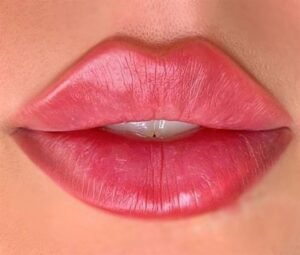
Appropriate lip colour can help restore a natural tone, while subtle definition around the eyes may contribute to a familiar appearance. Over-application can make these features appear unnatural, so moderation and careful blending are important.
Professionals should consider the person’s overall complexion and appearance when selecting colours rather than treating each feature independently.
Work With the Viewing Environment
The final appearance may be viewed under different lighting conditions, making it important to consider the environment where the individual will be presented.
Colours and coverage can look different under warm, cool, bright, or dim lighting. Checking the completed cosmetic work under conditions similar to the expected viewing environment can help professionals identify areas that may require adjustment.
This final review can improve consistency and help ensure that cosmetic work remains subtle and balanced.
Maintain Proper Hygiene
Hygiene should remain a priority throughout cosmetic application. Brushes, applicators, containers, and work surfaces should be maintained according to appropriate professional procedures.
Cosmetic products should also be stored correctly and handled according to manufacturer guidance. Organised storage can make products easier to locate while reducing unnecessary contamination or product waste.
A clean and organised cosmetic area supports both efficiency and professional standards.
Support a Dignified Final Presentation
The ultimate purpose of restorative cosmetic work is to support a respectful and natural final appearance. Effective cosmetic preparation does not need to be obvious. In many cases, the best results come from subtle colour correction, careful blending, appropriate coverage, and attention to small details.
Each case should be treated individually because complexion, facial characteristics, and restoration requirements can vary significantly.
Final Thoughts
Restorative cosmetics are an important part of professional funeral care when appearance requires additional attention after preservation and preparation. Careful assessment, appropriate colour selection, gradual application, and attention to facial details can help professionals achieve a natural and balanced result.
By using professional mortuary cosmetics according to the needs of each case, funeral professionals can complement preservation and restorative techniques while supporting a dignified presentation. Product knowledge, practical experience, and careful attention to detail remain essential throughout the cosmetic restoration process.