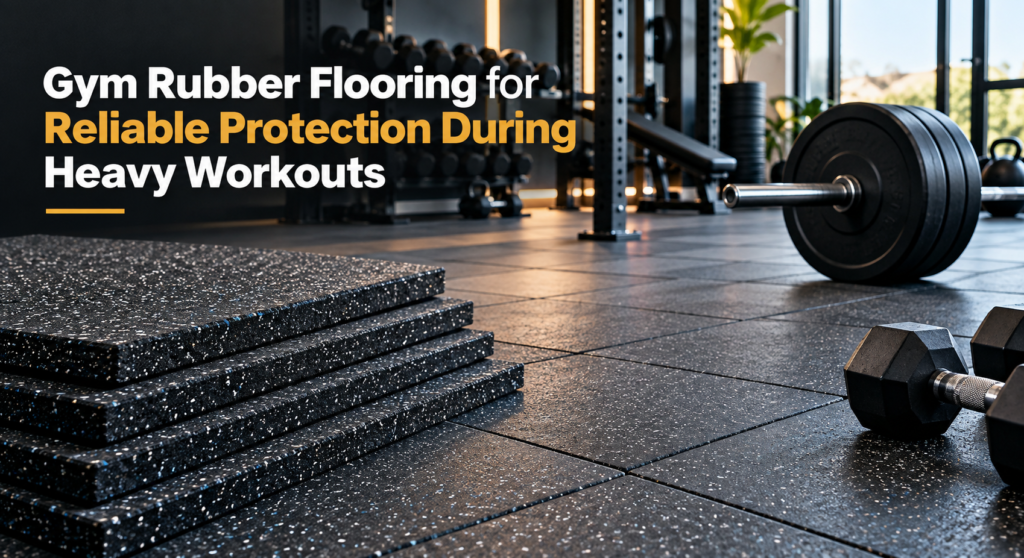
Heavy workouts place significant demands on both athletes and gym environments. From weightlifting and functional training to high-intensity exercises, the floor must withstand constant impact, heavy equipment, and repeated movement. Choosing the right flooring is therefore an important part of creating a safe, durable, and professional workout space. Gym rubber flooring in Dubai is widely used because it provides reliable protection while improving comfort, stability, and overall workout performance.
Rubber flooring is designed to absorb impact and reduce the stress caused by dropped weights, jumping exercises, and intensive training. It can also protect the underlying floor from scratches, dents, and other damage. With the right thickness, installation method, and maintenance routine, rubber flooring can provide long-term performance even in demanding gym environments.
Why Rubber Flooring Is Important for Heavy Workouts
Heavy workouts can generate considerable force. When dumbbells, barbells, kettlebells, or other equipment come into contact with the floor, the impact can damage conventional surfaces. Rubber flooring provides a resilient layer between the equipment and the structural floor, helping to absorb much of this force.
The cushioning properties of rubber also help create a more comfortable training environment. Exercises such as squats, lunges, jumping, and functional movements involve repetitive impact on the feet and joints. A suitable rubber floor can provide a degree of shock absorption, making the workout area more comfortable for users.
Another important benefit is stability. Rubber surfaces generally provide good traction, helping users maintain their footing during different types of exercises. This is particularly valuable in areas where controlled movement and balance are essential.
Protection Against Equipment and Floor Damage
Weight training areas experience frequent equipment movement and occasional accidental drops. A heavy weight falling directly onto a hard floor can cause cracks, chips, dents, or other forms of damage. It may also damage the weight itself.
Rubber flooring acts as a protective barrier. Its impact-resistant properties help minimize the force transferred to the floor beneath it. This makes it particularly suitable for free-weight areas, strength-training zones, and spaces where heavy equipment is regularly used.
The protective function also extends to the overall gym infrastructure. By reducing direct impact, rubber flooring can help preserve concrete, tiles, wood, and other subfloor materials. This can reduce the need for frequent repairs and contribute to lower long-term maintenance costs.
Choosing the Right Thickness for Heavy Training
The thickness of rubber flooring is an important consideration when designing a gym. Different workout areas may require different levels of protection depending on the equipment and activities performed there.
Lighter rubber flooring may be suitable for general fitness areas, stretching zones, and spaces with limited equipment impact. Heavier training areas, particularly those used for weightlifting, may benefit from thicker rubber surfaces that provide greater shock absorption.
The ideal thickness should be determined based on factors such as the type of training, equipment weight, frequency of use, and condition of the existing floor. Professional flooring suppliers can help determine an appropriate specification based on the intended application.
Improving Safety and Stability During Exercise
Safety is one of the primary considerations when selecting gym flooring. A slippery or unstable surface can make certain exercises more difficult and increase the possibility of accidents.
Rubber flooring typically offers strong grip under normal gym conditions. This can help users maintain better contact with the surface while performing exercises involving movement, lifting, or changes in direction.
The flooring can also provide a more forgiving surface for exercises performed close to the ground. While rubber flooring cannot eliminate injury risks, a properly selected and installed surface can contribute to a safer and more controlled training environment.
Noise and Vibration Reduction
Heavy workouts can create considerable noise, particularly when weights are dropped or equipment is moved. Hard flooring surfaces can amplify these sounds and transmit vibrations through the building.
Rubber flooring helps reduce some of this impact-related noise and vibration. This can be especially useful in commercial gyms, apartment-based fitness facilities, home gyms, and multi-level buildings where sound management is important.
The level of noise reduction depends on the flooring thickness, density, installation method, and construction of the building. Combining appropriate rubber flooring with suitable installation techniques can create a quieter and more comfortable workout environment.
Durability for High-Traffic Gym Areas
A professional gym may receive hundreds of users over an extended period. Flooring therefore needs to withstand continuous foot traffic, equipment movement, and repeated impact without rapidly deteriorating.
Quality rubber flooring is designed for demanding environments. It can resist wear caused by frequent use and is generally easier to maintain than many conventional flooring options. Properly maintained rubber surfaces can retain their functional characteristics for years.
For commercial facilities, durability is particularly important because replacing flooring can interrupt gym operations and create additional costs. Investing in a suitable flooring solution from the beginning can support long-term facility performance.
Maintenance and Cleaning Requirements
Regular maintenance is essential for keeping gym rubber flooring in good condition. Dust, sweat, dirt, and cleaning residues can accumulate on the surface if it is not cleaned routinely.
A consistent cleaning schedule can help maintain hygiene and preserve the appearance of the flooring. Manufacturers may recommend specific cleaning products and methods depending on the type of rubber used. Harsh chemicals or unsuitable cleaning agents should generally be avoided because they may affect the flooring’s surface over time.
Good ventilation and appropriate moisture management are also important, particularly in enclosed workout spaces. Following the manufacturer’s maintenance recommendations can help extend the usable life of the floor.
Creating a Professional Workout Environment
Flooring contributes to more than safety and protection. It also affects the appearance and overall perception of a gym. A well-designed rubber flooring system can give a workout space a clean, organized, and professional appearance.
Rubber flooring is available in different colors, patterns, formats, and surface finishes. This allows gym owners and facility designers to create dedicated zones for strength training, cardio, functional fitness, and other activities.
A visually organized floor can also help define workout areas and improve the overall layout of the facility.
Conclusion
Gym flooring must be capable of handling the physical demands created by heavy workouts while protecting users, equipment, and the underlying structure. Gym rubber flooring provides a combination of impact resistance, traction, durability, comfort, and noise reduction that makes it suitable for demanding fitness environments.
Selecting the appropriate thickness, quality, and installation method is essential for achieving reliable performance. With proper cleaning and maintenance, rubber flooring can support a safer, more durable, and professional workout environment. For gyms where heavy training is a regular part of daily operations, investing in a suitable rubber flooring solution can provide practical protection and long-term value.
For More Insightful Articles Related To This Topic, Feel Free To Visit: https://xuzpost.com/