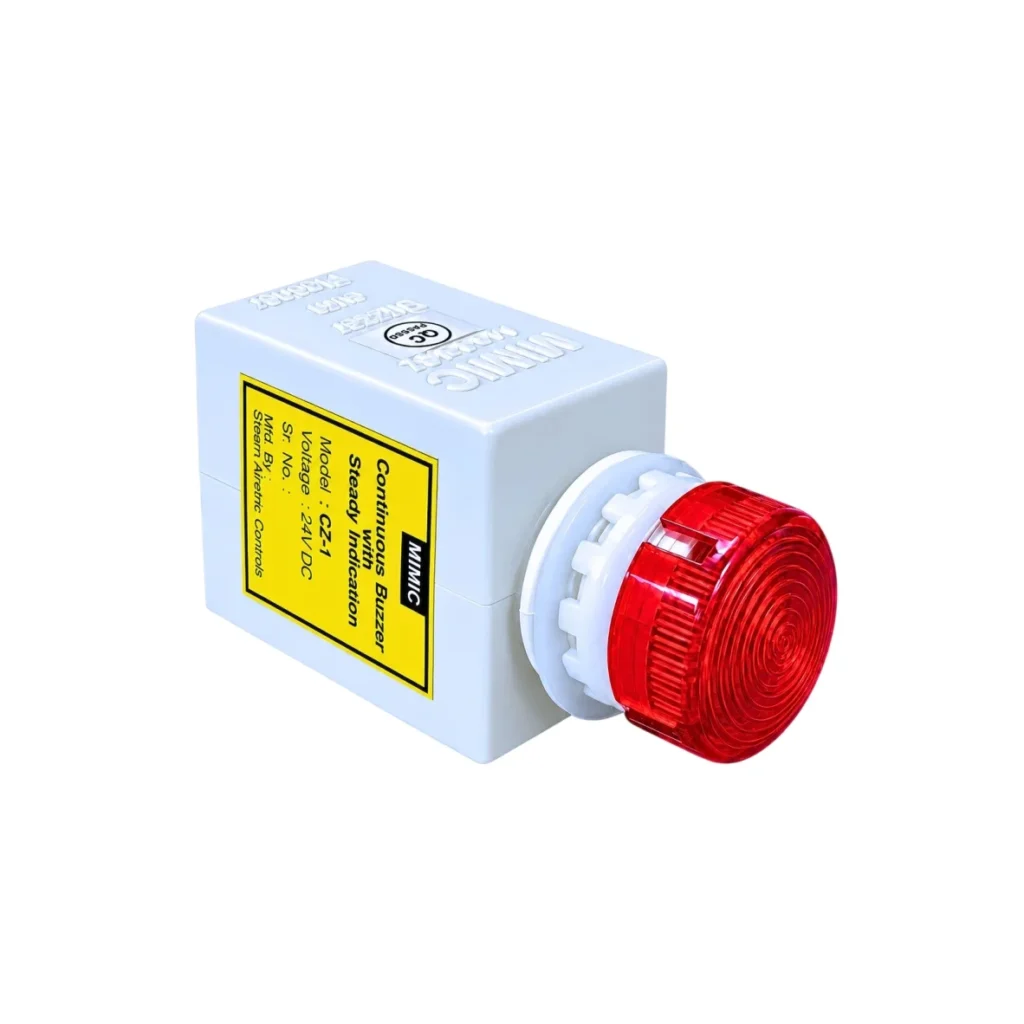
Choosing a warning device for industrial equipment may seem simple at first. However, once I look at the actual working environment, several details become important. The alarm needs to be electrically compatible, noticeable to operators, suitable for its surroundings, and convenient to install. An Audio visual alarm can be a practical option when both audible and visual warning indications are required in the same application.
Instead of depending on only a buzzer or indicator lamp, this type of device combines sound with a flashing visual signal. That combination can make an alert easier to notice, particularly around machinery, control panels, and other equipment where operators may not always be watching the panel.
Understanding the Basic Function
An Audio visual alarm is designed to provide two forms of warning when an appropriate control signal activates the device. One part produces an audible indication, while another provides a visible flashing signal.
The idea is straightforward. The sound is intended to attract attention, while the light gives the operator a visual indication of the active warning. The exact characteristics depend on the product model, including its operating voltage and construction.
For an industrial application, I would first identify what the warning needs to communicate and then select a device that matches those requirements.
Start With the Electrical Requirements
Before purchasing an Audio visual alarm, I would always check the electrical specifications. The operating voltage is particularly important because the device needs to be compatible with the control circuit.
Some systems use AC supplies, while others operate with DC control voltages. Choosing the wrong electrical rating can result in compatibility problems, so checking the manufacturer’s specifications beforehand is essential.
I would also look at the connection method and wiring requirements. Having this information ready before installation makes it easier to determine whether the device will fit naturally into the existing control arrangement.
Consider Where the Alarm Will Be Installed
The location of an Audio visual alarm matters almost as much as the device itself. A flashing indication is most useful when operators can see it without difficulty.
For a control panel, I would consider the panel layout, available mounting space, and the normal position of the operator. The device should be positioned so that the visual warning is not hidden by other components or equipment.
The audible portion also needs consideration. If the alarm is installed in an area with considerable machinery noise, its sound needs to be noticeable within the intended operating area.
Think About the Industrial Environment
Industrial workplaces are rarely identical. One installation may be inside a relatively clean control room, while another may be near machinery where dust, moisture, vibration, or temperature changes are common.
When selecting an Audio visual alarm, I would consider the environmental conditions in which it will operate. The manufacturer’s information about protection, operating temperature, and other environmental characteristics should be reviewed before installation.
This helps ensure that the selected device is appropriate for the actual location rather than simply looking suitable on paper.
Why Dual Warning Indication Can Be Useful
One of the practical advantages of an Audio visual alarm is that it does not rely on a single form of communication.
Imagine an operator working beside a machine and looking in another direction when a warning condition occurs. A visual indicator by itself may not immediately attract attention. An audible signal can help solve that problem by providing a sound that draws attention toward the equipment.
The opposite situation can also occur. In a noisy industrial area, an operator may not clearly hear the warning. The flashing visual indication then provides another way to recognize that an alert has been activated.
This combination does not guarantee that every warning will be noticed, but it provides two distinct forms of indication.
Applications in Control and Automation Systems
An Audio visual alarm can be considered for different control and automation applications where a warning signal is required. Control panels, industrial machines, electrical systems, and monitoring equipment are some common areas where this type of device may be useful.
For example, an alarm could be connected to a control circuit that activates when a specified machine condition occurs. The device then provides sound and visual indication to alert nearby personnel.
The actual application should always be evaluated according to the electrical design and the specifications of the selected alarm.
Check the Physical Installation Requirements
Electrical compatibility is only one part of selecting an Audio visual alarm. Physical installation requirements should also be considered.
I would check the dimensions of the device, the available mounting area, and how the unit needs to be secured. If the alarm is intended for a panel, measuring the available space before installation can prevent unnecessary modifications.
Wiring access is another practical point. There should be enough room to make secure electrical connections without interfering with other components inside the panel.
Maintenance Should Not Be Ignored
Once an Audio visual alarm has been installed, periodic inspection can help confirm that it remains operational.
During routine maintenance, I would check whether the audible signal works correctly and whether the visual indicator flashes as expected. The wiring and physical mounting can also be inspected for obvious issues.
If the device is connected to a larger automated system, the complete warning circuit should be tested according to the site’s maintenance procedure and the manufacturer’s recommendations.
Avoid Choosing Only by Appearance
It can be tempting to choose a warning device based on its appearance or price alone. I prefer to compare the technical requirements first.
For an Audio visual alarm, important considerations can include operating voltage, application type, mounting arrangement, environmental conditions, visibility, and audible requirements.
A device that works well in one installation may not necessarily be appropriate for another. Matching the product specifications to the actual application is therefore a more practical way to approach the selection process.
Final Thoughts
An Audio visual alarm can provide a simple and useful way to communicate warning conditions in industrial and electrical environments. Its combination of audible and visual indication gives operators two ways to recognize an alert.
For control panels, machinery, automation equipment, and other suitable systems, it can serve as an additional warning component when correctly selected and installed.
I would always begin with the basics: check the operating voltage, understand the installation environment, consider visibility and sound requirements, and confirm that the physical dimensions suit the available space.
With these factors considered, an Audio visual alarm can become a practical part of an industrial warning arrangement, helping make important alerts more noticeable during everyday equipment operation.