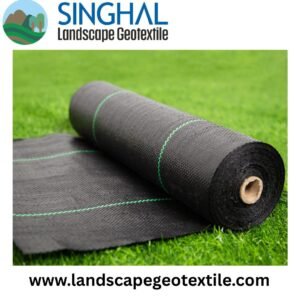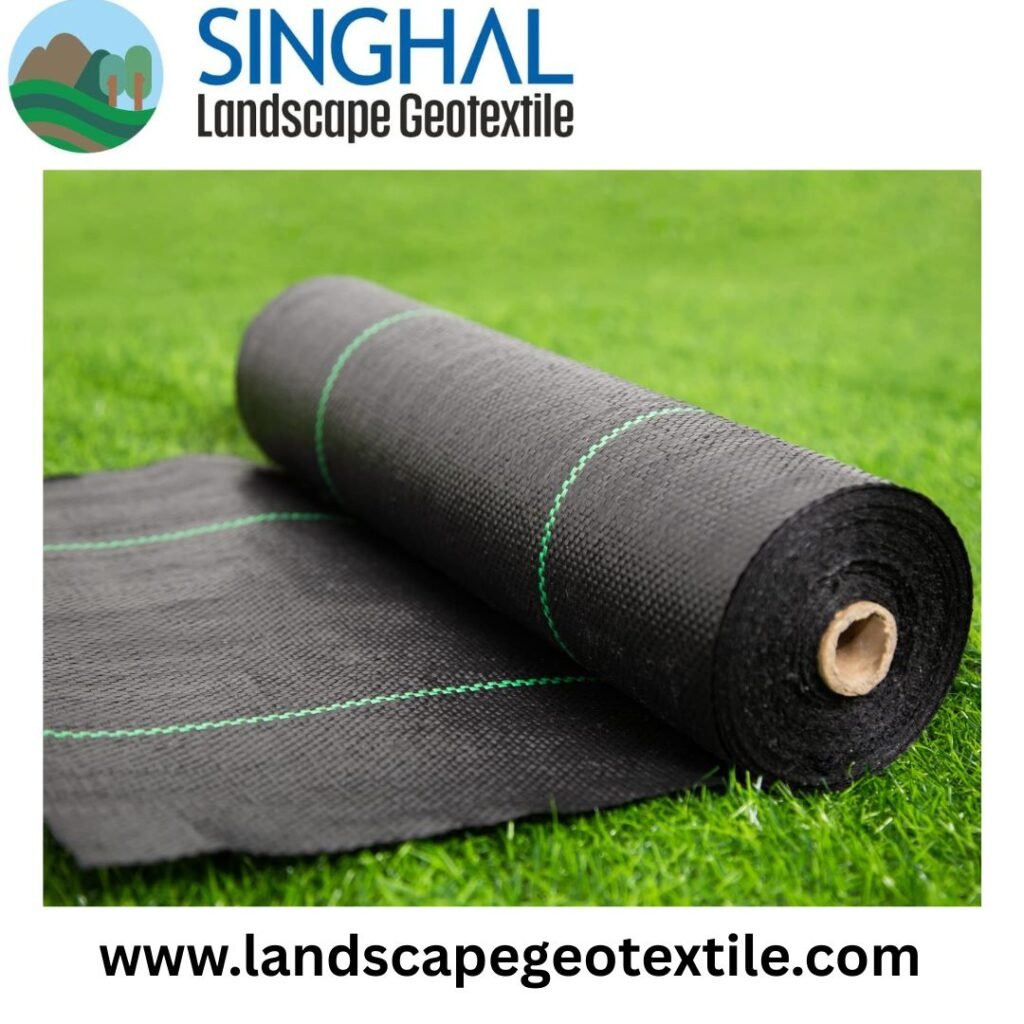
This requires plans for managing operations which can support site maintenance for the management of competitive flora on agricultural grounds, residential gardens and extensive farmland without an ongoing application of manufactured substances. It is common practice to have weeds growing alongside the desired crops and ornamental plants for that particular soil which leads to under-performing results and messy grounds. Now, prescient property developers and horticulturists have learned to cover such foreground land with a nonwoven cloth made for the explicit purpose of keeping 100 percent of the sun out, while not disturbing the soil ecology beneath. Using a high-density Landscape weed barrier fabric that will never decompose creates a non-germinating layer even at its roots. This novel form of a physical defense system mitigates the necessity for manual weeding or chemical pesticides according to landscape specialist to maintain neat presentation and also functional plant-growth areas quickly.
Aramid Textiles Engineering for Maximum Performance
At the most fundamental level, every weed suppression material will depend upon its polymer blend and advanced manufacturing precision for structural durability and performance. For construction jobs a more sterile site is often needed, so contractors turn to the higher end Landscape fabric weed barrier made of heavy duty woven or non woven polypropylene. During production, the functional materials are thus subject to ultraviolet stabilization so as not to lose their properties due to solar exposure, fluctuations in soil pH value and humidity before the expiration date. In contrast to simple thin plastic films, which can tear with little applied pressure or organic mulches that breakdown in relatively short periods of time, like high-density polymer matrices degrade at much slower rates taking many years from initial exposure outdoors to allow for the integrity strength and protective shielding properties present in these polymers to remain only partially damaged. Robust polymer barriers that prevent soil from mixing with the decorative aggregates below are professionally laid when laying decorative gravel paths, paving stones or synthetic turf systems.
Keeping Permeability High for Optimal Soil Health
Some property owners are worried that putting a heavy duty protective sheet over the earth will suffocate root systems and disturb vital underground networks. Modern permeable ground covers have addressed this issue by creating a porous structure specifically designed to allow for the easy flow of air, water and soluble nutrients. The magic of that liquid is the permeability which prevents pooling on the soil, and water logging can occur if there isn’t enough oxygen getting to beneficial soil microbes. These top-quality quilted barriers efficiently eliminate plants that do not care for sunlight, while retaining moisture and air penetration to encourage solid growth performance in diverse agriculture areas. Therefore, it saves public municipalities and commercial property developers loads of capital in maintenance, path restoration paving labor overhead over numerous places on-site.
Business Utilization of Agriculture and Horticulture
The maintenance of clean, weed free crop rows is one o f the most fundamental practices for most agricultural production, particularly high value fruit orchards, sprawling vineyards and intensive operations. Using durable polymer ground covers to eliminate back-breaking labor associated with hand-pulling weeds while averting string trimmer injury to tender stems of plants between the rows. In addition, due to its greatly reduced rate of surface evaporation, barrow also holds important moisture within the soil during hot summer months. This improved moisture retention reduces the frequency of watering, preserves scarce water resources and generates a uniform micro climate that expedites the growth of plants from seedling to harvest. As the material does not fray when cut by standard utility scissors, installation crews can readily customise accords on site and there is typically very few in special tools. The deployment workflow is very intuitive and makes continuous delivery easier directly reducing the time to setup a project.
Civil Engineering and Landscape Architecture Utility
Extreme duty geotextile coverings are commonly used not only in conventional agriculture, but also by expert landscape architects and civil engineering contractors for community parks, highway embankments and commercial property bases. As an example, we will usually put a hard poly barrier under decorative gravel paths, paving stones or artificial turf systems so that the natural earth does not mix-in and change the vision-artiveness seen from above into decorative aggregates. It acts to stabilise the stone, permits weed growth free paths and maintains clean architectural edges over long working lifetimes. Obviously, city municipalities and commercial development developers steer completely clear of along with plummeting lots of capital on employing anybody for construction materials bill prices all over again. Global industries now face staggering pressure to adopt sustainable practices that will help minimize chemical runoff, save the surrounding watershed, and or preserve local native soil microbiomes.
Streamlined Installation and Operational Efficiency
When referring to large scale landscaping, the materials must be lightweight and at the same time flexible enough that allows for ease when cutting, shaping and binding especially in uneven lands. Synthetic ground covers can be quickly unrolled, fit together nicely in complicated tree pits, and are able to be firmly held down with steel garden staples or landscape pins. Moreover, it does not fray easily when cut with common utility shears which allows installation crews to adjust layouts on-site without undesirable specialty tools. The deployment process is designed to be simple and straightforward; limiting project build times minimizes preliminary labor costs so that large, expansive commercial landscaping areas can be completely protected from any invasive weeds within a workday. A completely non chemical method, hiring a mechanical ground barrier ensures gardens stay protected from the environment with zero danger of chemical contamination.
Environmental Sustainability and Chemical Reduction
The last few decades the world industry is being urged to abandon such end of pipe technology that reduces pollution at source, protect local watersheds and preserve native soil microbiomes. Weed control in an average and practically all concoction cultivating framework is requiring countless engineered herbicides that can deplete into groundwater tables and obliterate advantageous bugs, pollinators and earthworms. This, afterwards, is a non chemical method that fully protects your backyard without causing pest toxins in the ecosystem. Similarly, because these mats are recyclable in addition to being made for reuse over several years, they provide 80 percent less plastic pollution than that associated with single use agricultural plastic films. To sum up, the high-performance ground cover fabrics are an essential of modern agriculture, professional horticulture and sustainable landscape architecture.
Conclusion
In conclusion, high performance ground cover fabrics represent an important pillar of modern agriculture, commercial horticulture and ecological landscape architecture. This textile Landscaping fabric weed barrier provides ecosystems with the trifecta together whole sun block coupled with terrific water permeability, chemical free weed stopping and unrivalled multi season overall performance to maximize operational productivity. Advanced polymer ground covers can be utilized as truly essential instruments for the enhancement of new and prevalent urban green spaces all over the planet on an ever more sustainable worldwide businesses focused on responsible resource management from an environmental, as well as additionally financial point of view. The advanced polymer ground covers will continue to be used; as the international industries continues down the road and in their endeavor of green, economical and sound resource management to ensure a clean, healthy sustainable world wide green spaces.
Frequently Asked Questions (FAQs)
Q1: Does the fabric let water and liquid fertilizers get directly to roots?
Ans: Yes, it is an extremely engineered porous matrix whereair, water and important nutrients passes through to the soil directly.
Q2: Do these protective ground covers disintegrate rapidly in sunshine?
Ans: No, premium options are treated with advanced UV-stabilizing compounds to resist solar degradation and endure years of extreme outdoor exercise.
Q3: Who is the largest exporter of Weed Barrier Fabric?
Ans: Singhal Landscape Geotextile is an acclaimed international supplier providing high-quality weed barrier fabrics and cutting-driven technical textiles around the globe.
Q4: I want to fit these mats around existing trees and shrubs, are they easy to cut?
Ans: Yes, it can easily be cut with scissors to suit any garden and will not fray it lays down flat so that you can pin it down with regular landscape staples.
Q5: Can I use these mats in organic vegetable gardens?
Ans: Yes, Singhal Landscape Geotextile provides chemical-free physical barriers that replace toxic herbicides in weed control, making it completely safe for organic food production.