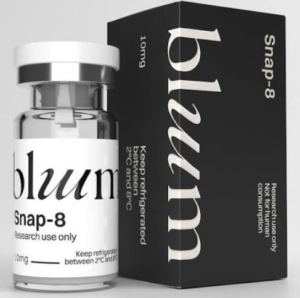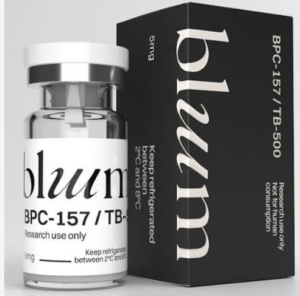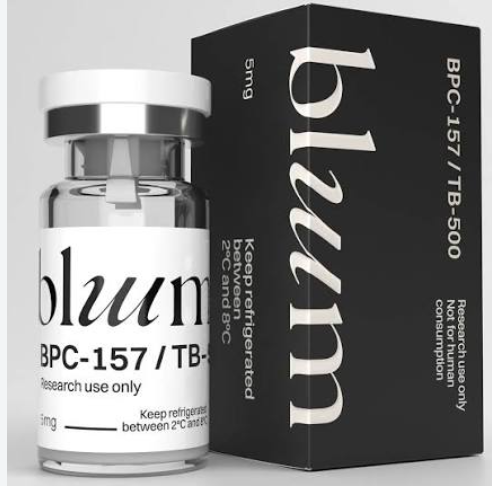
Interest in BPC-157 for sale has increased as peptide research continues to attract attention from laboratories, biotechnology professionals, and people following developments in experimental compounds. BPC-157 is a synthetic peptide that has primarily been investigated in preclinical research, including laboratory and animal models. Its growing visibility has also resulted in online listings that can make it difficult to distinguish legitimate research materials from products marketed with unsupported claims. Understanding the compound’s research status, documentation, quality controls, and intended use is therefore essential when evaluating its availability.
The demand surrounding BPC-157 also highlights an important distinction between research interest and approved medical treatment. Although preclinical studies have explored different biological effects associated with BPC-157, evidence from controlled human studies remains limited, and the compound does not have an established approved therapeutic role. A 2026 medical review identified BPC-157 among unapproved peptides lacking established human safety profiles.
What Is BPC-157?
BPC-157 is a synthetic peptide that has been studied primarily through preclinical research. Experimental investigations have examined its potential biological activity in areas involving tissue responses, cellular signaling, and other physiological processes, but findings from animal or laboratory models should not automatically be interpreted as evidence of established benefits in humans. This distinction is particularly important because research compounds can attract commercial attention before sufficient clinical evidence exists. Researchers evaluating BPC-157 should therefore consider the level of evidence available for the specific research question and avoid treating experimental findings as established medical outcomes.
Understanding the Demand for BPC-157
The increasing interest in BPC-157 reflects the broader growth of peptide-focused research and discussion surrounding experimental compounds. Researchers may investigate BPC-157 because of findings generated in preclinical models, while consumers may encounter claims about applications that extend well beyond the available evidence. This creates a need for clearer information about what is actually known and what remains uncertain. Current scientific literature continues to identify important gaps in human safety and clinical validation, meaning interest in BPC-157 should not be confused with regulatory approval or established therapeutic efficacy. For laboratories, the most useful approach is to evaluate the compound according to the requirements of the intended experiment rather than relying on popularity or promotional descriptions.
What to Look for When Evaluating BPC-157 for Sale
When evaluating BPC-157 for sale, researchers should prioritize verifiable product information rather than relying exclusively on marketing language. Important considerations can include the stated molecular identity, batch identification, purity information, analytical testing, physical form, packaging, storage instructions, and availability of a Certificate of Analysis. Batch-specific documentation can help laboratories establish traceability and determine whether the material meets their internal research requirements. A product label alone does not establish analytical quality, so researchers should review whatever supporting documentation is available and consider whether the testing methodology and reported results are sufficiently detailed for the intended laboratory application.
Why Purity and Identity Testing Matter
Research involving peptides can be sensitive to differences in material quality. Impurities, incorrect concentrations, degradation, or misidentified compounds can introduce variables that complicate experimental interpretation. Identity testing helps establish whether the material corresponds to the compound described by the supplier, while purity analysis can provide information about the presence of other detectable substances. Researchers should also understand that a high stated purity percentage does not by itself establish suitability for every experimental application. Quality assessment is broader and may include identity, purity, concentration, packaging, storage history, and batch traceability. Maintaining these distinctions can help laboratories make more informed procurement decisions.
Storage and Handling Considerations
Peptide materials require appropriate storage and handling practices to help preserve their stated characteristics. The specific requirements depend on the formulation and manufacturer’s instructions, so researchers should follow the storage conditions supplied with the particular material rather than applying one universal rule to every peptide. Protecting sensitive materials from unsuitable temperatures, moisture, excessive light, and unnecessary handling can support better consistency. Laboratories should also maintain clear labels, batch records, preparation dates, and storage documentation where applicable. These practices become especially important when experiments extend over several weeks or months and results need to be compared across different batches.
Research Use Versus Medical Use
One of the most important distinctions surrounding BPC-157 is the difference between research use and medical treatment. A compound can be widely discussed in scientific literature or online communities while still lacking the clinical evidence and regulatory authorization required for use as a medicine. BPC-157 falls into this category, with current literature describing it as an unapproved peptide and noting the absence of an established human safety profile.
Responsible Procurement of Research Peptides
Responsible procurement involves more than finding a product that appears to match a desired compound name. Research organizations should examine supplier documentation, batch information, analytical testing, storage conditions, and stated intended use before accepting a material into their workflow. Institutional requirements may also dictate how research compounds are purchased, stored, documented, and used. A transparent supplier should be able to communicate relevant product specifications without relying on unsupported medical promises. For researchers comparing different materials, consistency and documentation can be more valuable than promotional claims because they directly support traceability and experimental planning.
The Importance of Evidence-Based Expectations
Preclinical research can provide valuable information about how a compound behaves in experimental systems, but it cannot establish that the same effects will occur in humans. BPC-157 illustrates why this distinction matters. Experimental findings can justify additional investigation while leaving important questions about human safety, pharmacology, dosage, long-term effects, and clinical effectiveness unresolved. Researchers and readers should therefore distinguish between demonstrated findings, preliminary observations, and commercial claims. Maintaining realistic expectations helps prevent research compounds from being misunderstood as established treatments.
Conclusion
BPC-157 remains an experimental peptide with substantial interest in preclinical research but limited evidence establishing its safety and effectiveness in humans. Anyone searching for BPC-157 for sale should focus on research status, product identity, analytical documentation, batch traceability, storage requirements, and responsible laboratory use rather than relying on therapeutic marketing claims. Quality documentation can help researchers evaluate whether a particular material is appropriate for their experimental objectives, while careful handling and recordkeeping can support consistency throughout a study. Ultimately, informed procurement begins with understanding what the evidence demonstrates, what remains uncertain, and whether the material fits the requirements of a legitimate research protocol.