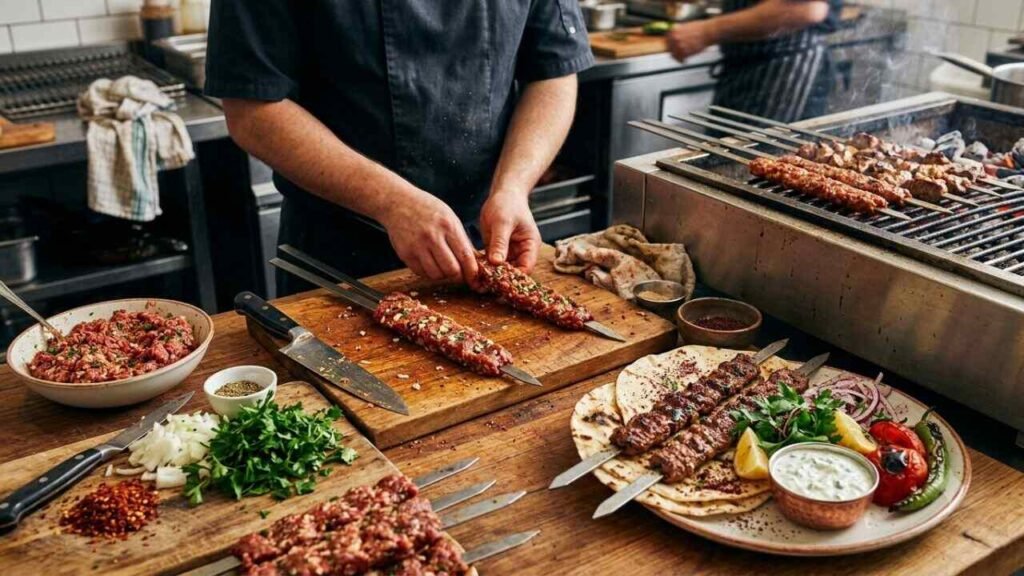
HORECA businesses, including hotels, restaurants, cafés, catering companies, and cloud kitchens, need food products that combine quality, convenience, and consistency. Kebab is a versatile menu option that can be served as an appetizer, main course, wrap filling, platter item, or part of a buffet. However, maintaining the same taste and texture during every service can be challenging, especially when kitchens handle high order volumes.
For commercial food operations, selecting suitable products and establishing standardized preparation procedures can help reduce inconsistencies. Proper storage, portion control, cooking methods, and presentation all contribute to a better dining experience.
Why Kebab Works Well for HORECA Businesses
Kebab can fit into a wide range of menus and cuisines. Restaurants can serve it with rice, flatbreads, salads, sauces, chutneys, or grilled vegetables. Cafés can use it in wraps and sandwiches, while catering companies can include it in buffet arrangements and event menus.
Another advantage is flexibility. Businesses can choose different varieties based on their customer preferences and menu concepts. Chicken, beef, lamb, and vegetarian options can provide variety without requiring completely different preparation systems.
For busy kitchens, convenience is equally important. Products that require less preparation can help staff focus on cooking, presentation, and customer service rather than spending excessive time on ingredient preparation.
Factors That Influence Consistent Quality
Consistency is one of the most important requirements in HORECA operations. Customers generally expect a familiar Kebab dish to have a similar flavor, texture, and appearance whenever they order it.
Ingredient Quality
The quality of the ingredients affects the final result. Businesses should review product specifications, ingredient information, seasoning, and storage requirements before making purchasing decisions.
A reliable product should provide predictable results across different batches. This becomes particularly important for businesses serving large numbers of customers every day.
Portion Control
Consistent portions help restaurants maintain predictable food costs and presentation. Staff should use standardized portion sizes and suitable serving tools wherever possible.
For example, a restaurant serving a platter can establish a fixed quantity for each portion. This helps create uniform plates while making inventory calculations easier.
Cooking Procedures
Cooking procedures should be clearly documented. Staff should know the recommended cooking temperature, cooking time, equipment settings, and handling requirements.
Small differences in preparation can affect texture and flavor. A standardized process helps reduce variation between employees and shifts.
Choosing Suitable Products for Commercial Kitchens
When purchasing frozen food for HORECA operations, businesses should consider more than price. Product quality, packaging, storage requirements, cooking instructions, shelf life, supply capacity, and consistency should all be evaluated.
Restaurants should also consider whether the product fits their existing kitchen equipment and workflow. A product that is easy to prepare can reduce operational pressure during busy service periods.
Frozen Kiing provides frozen food solutions suitable for food-service requirements, helping businesses incorporate convenient products into their menus while focusing on consistent preparation and service.
Proper Storage and Handling
Correct storage is essential for maintaining the quality of frozen products. Commercial kitchens should have suitable freezer capacity and ensure products remain at the manufacturer’s recommended temperature.
Maintain the Cold Chain
Products should remain frozen during transportation and storage according to the recommended requirements. Temperature fluctuations can negatively affect food quality.
Receiving staff should check deliveries and ensure products are transferred to suitable storage promptly. Businesses can also maintain records to support better inventory management.
Organize Freezer Inventory
A well-organized freezer can make kitchen operations more efficient. Products should be arranged so that staff can easily identify different varieties and batches.
Using a first-in, first-out inventory approach can help businesses manage stock effectively and reduce the risk of products remaining unused for too long.
Easy Preparation Tips for HORECA Kitchens
Busy commercial kitchens benefit from simple and repeatable preparation methods. Staff should follow the cooking instructions provided for each product instead of relying on assumptions.
Pre-Service Preparation
Before service begins, kitchen staff should check equipment, ingredients, serving supplies, and required stock. This reduces delays when customer orders increase.
A clear preparation checklist can help employees complete essential tasks consistently before opening or during shift changes.
Standardize Cooking
Restaurants should establish a standard cooking procedure for each product. The process can include equipment settings, cooking duration, portion size, and final quality checks.
Kitchen managers can monitor preparation times during busy service periods to identify inconsistencies. Simple checklists can help employees follow the same steps even when order volumes increase.
Avoid Overcooking
Overcooking can negatively affect texture and moisture. Staff should follow the recommended preparation method and monitor cooking closely.
Using timers can be particularly helpful during peak service periods when employees are managing multiple orders simultaneously.
Serving Ideas for HORECA Menus
The versatility of kebab allows businesses to create different menu presentations without significantly changing the core product.
Kebab Platters
A platter can include kebab alongside rice, flatbread, salad, grilled vegetables, pickles, and sauces. This format works well for restaurants and casual dining establishments.
Wraps and Rolls
Wraps are suitable for cafés, quick-service restaurants, food trucks, and takeaway operations. The filling can be combined with vegetables, sauces, and herbs to create a convenient meal.
Rice Bowls
Rice bowls provide another practical serving format. Kebab can be combined with rice, fresh vegetables, sauces, and toppings to create a complete meal.
Catering Portions
Catering companies can serve smaller pieces as appetizers or larger portions as part of buffet meals. Standardized portioning can help caterers maintain consistent presentation across large events.
Maintaining Quality During Busy Service
Peak periods can create additional challenges for restaurant kitchens. High order volumes may cause staff to rush, which can lead to inconsistent cooking and presentation.
One solution is to establish clear roles within the kitchen. Employees should understand who is responsible for cooking, plating, quality checks, and order dispatch.
Kitchen managers can also monitor common issues such as delayed preparation, incorrect portions, inconsistent browning, or presentation differences. Identifying these problems allows managers to adjust procedures and provide additional staff training when necessary.
Training Staff for Better Consistency
Even high-quality products require proper handling. Employees should receive clear instructions about storage, cooking, portioning, hygiene, and presentation.
Training should not be limited to new employees. Refresher sessions can help experienced staff remain familiar with established procedures, especially when menu items or equipment change.
Visual guides can also be useful. A simple photograph showing the expected portion and final presentation can give employees a clear reference point.
Managing Costs Without Compromising Quality
Food costs are an important consideration for HORECA businesses. Consistent portion control can help reduce unnecessary waste and make purchasing decisions more predictable.
Restaurants should monitor usage regularly and compare inventory levels with sales. If certain products are being over-portioned or wasted, managers can identify the cause and adjust procedures.
Choosing products that balance quality, preparation convenience, and supply reliability can also support better operational efficiency.
Creating a Reliable Kebab Menu
A successful menu does not necessarily need numerous varieties. Businesses can begin with a few suitable options and monitor customer response.
For example, a restaurant could offer a classic platter, a wrap, and a rice bowl using the same core product. This approach can simplify inventory management while still giving customers different meal choices.
Seasonal sauces, vegetables, and side dishes can also create variety without requiring major changes to the kitchen’s primary preparation process.
Conclusion
Kebab can be a practical and versatile choice for HORECA businesses looking to offer flavorful meals while maintaining efficient kitchen operations. Consistent results depend on several factors, including ingredient quality, proper storage, portion control, standardized cooking, staff training, and effective inventory management.
For restaurants, cafés, hotels, and catering companies, a well-planned preparation system can make service smoother and help maintain consistent customer experiences. By combining suitable products with clear procedures and thoughtful presentation, commercial kitchens can make this versatile food an effective part of their menus.
FAQs
Q1. Why is kebab suitable for HORECA businesses?
It can be used in platters, wraps, rice bowls, appetizers, buffets, and catering menus. Its versatility allows businesses to create different dishes using similar preparation processes.
Q2. How can restaurants maintain consistent quality?
Restaurants can standardize cooking times, temperatures, portion sizes, storage procedures, and presentation. Staff training and regular quality checks can further reduce inconsistencies.
Q3. Is frozen kebab convenient for commercial kitchens?
Frozen options can reduce preparation requirements and simplify inventory management. Businesses should always follow the manufacturer’s storage, handling, and cooking instructions.
Q4. How should frozen products be stored?
They should be kept at the recommended frozen temperature and handled according to the manufacturer’s instructions. Proper freezer organization and inventory rotation can also help maintain quality.
Q5. What are popular ways to serve kebab in HORECA?
Common options include platters with rice and salad, wraps, sandwiches, rice bowls, appetizers, and buffet portions. Sauces, chutneys, vegetables, and flatbreads can be added according to the menu concept.