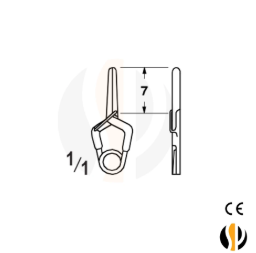
In surgical procedures, temporary closure components can play an important role in supporting efficient and organized workflows. The right closure solution should be practical, dependable, and suitable for the intended surgical application. The STANDARD Temporary closure B26-01-09 is designed as a practical option for surgical settings where temporary closure is required during a procedure.
What Is STANDARD Temporary Closure B26-01-09?
STANDARD Temporary closure B26-01-09 is a surgical closure product intended for temporary use during appropriate medical procedures. Temporary closure solutions can help maintain controlled access to a surgical site while allowing medical professionals to continue with the necessary steps of a procedure.
Unlike permanent closure solutions, temporary closure products are generally used when access to the surgical area may be required again during the procedure or when temporary management of an opening is appropriate.
Why Temporary Closure Matters in Surgery
Surgical procedures often involve multiple stages. Depending on the type of operation, surgeons may need to temporarily close an area before continuing with another part of the procedure. A suitable temporary closure component can support this workflow by helping manage the surgical site in an organized manner.
Temporary closure may be particularly useful when:
- Additional surgical access may be required.
- The procedure involves multiple stages.
- Controlled temporary coverage is needed.
- The surgical team needs a practical closure option.
- Maintaining an organized operative workflow is important.
The specific use of any temporary closure product should always be determined by qualified healthcare professionals according to the procedure and applicable clinical requirements.
Practical Design for Surgical Workflows
A surgical product should be straightforward to identify and integrate into a professional medical environment. Product identification is especially important when surgical teams work with multiple instruments, implants, and closure components.
The STANDARD Temporary closure B26-01-09 provides a clearly identified product reference that can help healthcare facilities manage surgical inventory and product selection. A defined product code also makes it easier for purchasing teams and medical professionals to distinguish one component from another.
Applications of Temporary Closure Products
Temporary closure products can be relevant across different surgical situations where temporary management of a surgical opening is required. Their application depends on the design of the product, the procedure being performed, and the recommendations of the healthcare professional.
Before using a temporary closure product, medical teams should verify its intended application, compatibility, material information, sterilization requirements, and manufacturer instructions.
The STANDARD Temporary closure B26-01-09 should therefore be selected and used only for its intended clinical purpose and according to the applicable instructions.
Key Considerations When Selecting a Temporary Closure
Selecting a temporary closure component involves more than simply choosing a product based on its name. Surgical teams should consider several factors before incorporating a product into a procedure.
Intended Surgical Application
The first consideration is whether the product is appropriate for the intended surgical application. Medical professionals should confirm that the product corresponds to the requirements of the procedure.
Product Compatibility
Compatibility can be important when a closure component is used alongside other surgical products. Healthcare facilities should verify relevant specifications before use.
Product Identification
Clear identification helps reduce confusion during surgical preparation and inventory management. The product reference B26-01-09 can help distinguish this particular temporary closure from other products.
Handling Requirements
Surgical products may have specific handling, storage, sterilization, or preparation requirements. These details should be confirmed through the manufacturer’s documentation before use.
Clinical Requirements
The final selection should always be based on the patient’s needs, surgical technique, and professional medical judgment.
Benefits of a Practical Temporary Closure Solution
A practical temporary closure product can contribute to an organized surgical workflow. Depending on the intended application, potential advantages may include convenient product identification, straightforward integration into surgical preparation, and support for procedures where temporary closure is necessary.
The STANDARD Temporary closure B26-01-09 can be considered when a medical facility requires a clearly identified temporary closure component for an appropriate surgical application.
However, product suitability should never be determined solely by general descriptions. Medical professionals should review the complete technical information and manufacturer recommendations before clinical use.
How Hospitals Can Manage Temporary Closure Products
Proper inventory management is an important part of maintaining an efficient surgical environment. Hospitals and medical facilities may handle numerous surgical products with different specifications and intended applications.
Maintaining accurate product records can help staff identify products quickly when preparing for procedures. Product codes such as B26-01-09 can also make procurement and inventory tracking more organized.
Facilities should maintain appropriate records regarding product specifications, storage conditions, expiration information where applicable, and manufacturer instructions.
Safety and Professional Use
Medical products should always be used by qualified healthcare professionals who understand the requirements of the relevant surgical procedure. The information provided in this article is intended for general product education and should not replace professional medical advice, surgical training, or manufacturer instructions.
Before using STANDARD Temporary closure B26-01-09, healthcare professionals should verify the product’s intended use, technical specifications, packaging condition, and applicable instructions.
Final Thoughts
The STANDARD Temporary closure B26-01-09 represents a practical surgical closure option for situations where temporary closure may be required. Clear product identification, appropriate selection, compatibility, and correct handling are important considerations when incorporating temporary closure products into a surgical workflow.
For hospitals, surgical centers, and healthcare professionals, selecting the right closure component should always begin with understanding the requirements of the procedure and confirming the product’s intended clinical application. When used appropriately and according to professional and manufacturer guidance, a suitable temporary closure solution can support an organized and efficient surgical environment.
FAQs
1. What is STANDARD Temporary closure B26-01-09?
STANDARD Temporary closure B26-01-09 is a temporary surgical closure product identified by the product reference B26-01-09. Its exact application should be confirmed through the manufacturer’s technical documentation.
2. What is temporary closure used for?
Temporary closure products can be used when a surgical area needs temporary management or closure while additional procedural access may still be required.
3. Who should select a temporary closure product?
Qualified healthcare professionals should select surgical closure products based on the procedure, patient requirements, product specifications, and applicable clinical guidelines.
4. Why is product identification important?
Product identification helps medical teams distinguish between different surgical components and supports organized procurement, inventory management, and surgical preparation.
5. Can STANDARD Temporary closure B26-01-09 be used for every surgical procedure?
No. Surgical products have specific intended applications. Healthcare professionals should verify the manufacturer’s instructions and technical specifications to determine whether the product is appropriate for a particular procedure.