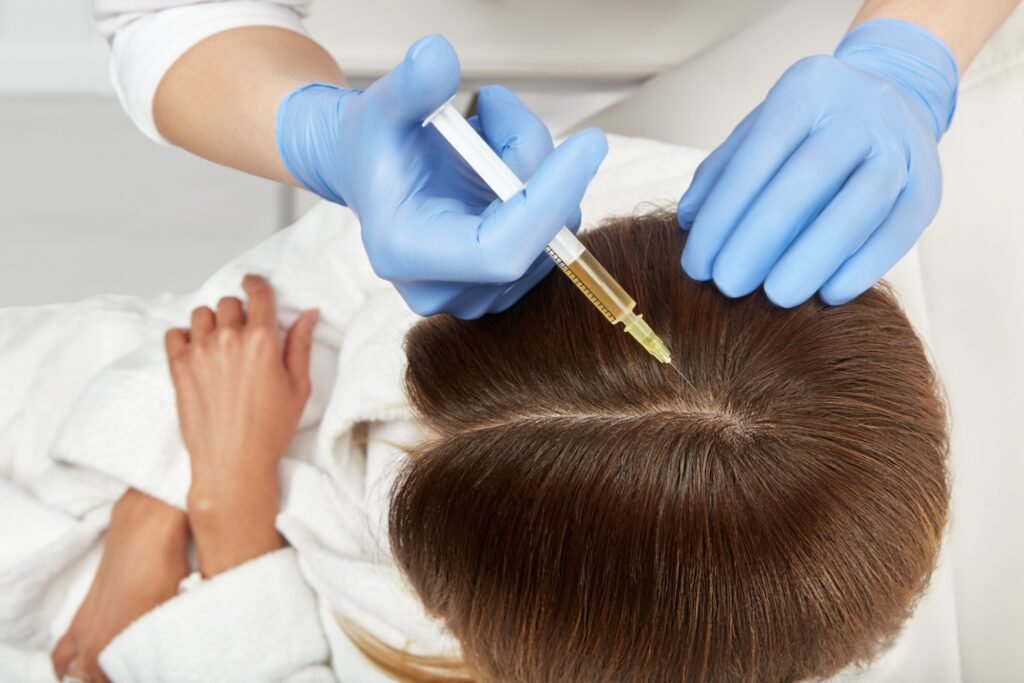
Hairline design is one of the most important elements in creating a natural-looking result from hair restoration. For women, the approach can differ from male-pattern restoration because the preferred hairline is often softer, more irregular, and designed to complement the facial features rather than create a sharply defined frontal border. Several factors can influence how the hairline is planned, including facial proportions, existing density, donor hair characteristics, age, hair texture, and the underlying cause of thinning.
When considering Female Hair Transplant in Dubai, patients should understand that hairline planning is not simply about placing grafts along a predetermined line. A specialist usually evaluates the entire scalp and considers how the restored area will blend with existing strands. The goal is generally to create a transition that looks natural from different angles while preserving donor resources for the future.
Individual expectations also matter. Some women may have recession around the temples, while others may experience diffuse thinning that makes aggressive frontal restoration unsuitable. A detailed assessment can help determine whether transplantation is appropriate and what type of design may be realistic.
What Influences a Woman’s Hairline Design?
A number of clinical and aesthetic factors contribute to the final plan. Facial shape is one consideration, but it is not used in isolation. The existing hairline, natural growth direction, density, and pattern of thinning also need to be assessed.
Hair characteristics can influence graft placement as well. Curly or wavy strands may provide more visual coverage than straight strands, while fine hair may require careful distribution to achieve an aesthetically balanced appearance.
The specialist may also consider future changes in hair density. A design that looks appropriate immediately after transplantation should remain harmonious as surrounding hair changes over time.
King’s College Hospital London Dubai
King’s College Hospital London Dubai provides a multidisciplinary healthcare environment where patients can undergo specialist assessment before deciding whether surgical hair restoration is appropriate. For women considering Female Hair Transplant in Dubai, a careful evaluation of the cause and distribution of thinning is particularly relevant before developing a treatment plan.
Hairline planning may take into account existing density, scalp condition, medical history, and the characteristics of the donor area. A consultation can also help determine whether transplantation is suitable or whether another approach should be considered first.
Cocoona Clinic
Cocoona Clinic is among the Dubai-based facilities where cosmetic and aesthetic concerns can be assessed within a specialist clinical setting. Women exploring hair restoration can discuss concerns such as frontal thinning, temple recession, or changes in density.
For hairline design, attention to facial proportions and existing hair direction can help create a more integrated appearance. Rather than treating the hairline as an isolated feature, the overall distribution of hair can be considered when developing an individual treatment plan.
Enfield Royal Clinic
At Enfield Royal Clinic, hair restoration planning can be approached around the patient’s individual pattern of thinning, donor availability, facial characteristics, and desired appearance. For women seeking Female Hair Transplant in Dubai, the hairline is typically considered as part of the wider restoration strategy rather than as a simple straight boundary.
Particular attention may be given to graft selection and placement. Fine grafts can be useful around the frontal transition because they can help create a softer appearance, while the distribution behind the hairline may be planned to provide appropriate visual density. Existing hair direction and texture are also important when determining how transplanted follicles should be positioned.
A detailed consultation is essential because female hair loss can have different causes. Establishing whether the pattern is suitable for transplantation helps make the treatment plan more clinically appropriate and realistic.
Emirates Hospital
Emirates Hospital offers specialist healthcare services within Dubai, making it another setting where patients can seek professional evaluation for hair and scalp concerns. Women considering restoration can benefit from an assessment before deciding whether surgical intervention is appropriate.
Hairline design can involve consideration of the frontal region, temples, density requirements, and donor characteristics. The consultation process may also address underlying factors contributing to thinning, particularly when the pattern is diffuse rather than concentrated around the hairline.
Tajmeels Clinic
Tajmeels Clinic provides cosmetic and aesthetic treatment services in Dubai. For women interested in hair restoration, consultation can help identify the pattern of hair loss and determine whether transplantation could provide useful coverage.
A natural hairline generally requires gradual density rather than an abrupt transition. The direction, angle, and placement of grafts can therefore influence how the restored region blends with surrounding hair. Personal preferences and facial proportions may also be incorporated into the design discussion.
Al Zahra Hospital Dubai
Al Zahra Hospital Dubai provides a broad clinical environment in which patients can discuss hair and scalp concerns with healthcare professionals. For prospective transplant patients, an appropriate assessment can help distinguish between different causes of female hair thinning.
When transplantation is considered, the hairline may be planned according to the patient’s existing anatomy and available donor follicles. Maintaining an appropriate relationship between the restored frontal area and the remaining scalp hair can be important for achieving a balanced appearance.
Dynamic Life Clinic
Dynamic Life Clinic is another Dubai-based clinic where patients can explore aesthetic and hair restoration concerns. Women considering transplantation can use a consultation to discuss areas such as frontal recession, reduced density, or changes in the shape of the hairline.
The design process can involve assessing hair calibre, donor supply, natural growth patterns, and the amount of coverage required. These details can influence both graft placement and the overall shape selected for the frontal region.
Dubai Cosmetic Surgery Clinic
Dubai Cosmetic Surgery Clinic provides cosmetic treatment services in Dubai and can be considered by patients researching surgical and aesthetic options. Women interested in hair restoration may discuss their concerns and expectations during a consultation.
Hairline design should account for more than simply lowering the frontal border. The transition zone, temple areas, natural asymmetry, existing strands, and long-term appearance can all influence the proposed plan.
How to Choose the Right Clinic for Female Hair Transplant in Dubai
Choosing a clinic involves evaluating clinical factors rather than relying solely on promotional claims. Several areas deserve attention before treatment.
Experience and Qualifications
Ask who will assess the scalp, design the hairline, perform the surgical stages, and monitor recovery. Appropriate medical qualifications and experience with female hair loss are important considerations.
Technology and Techniques
Different transplantation methods may be suitable for different patients. The clinic should explain the proposed technique, why it is appropriate, and how grafts will be harvested and implanted.
Safety Standards
A reputable facility should follow appropriate infection-control procedures, maintain sterile equipment, and provide clear information about medical risks and possible complications.
Consultation Process
A thorough consultation should examine the scalp, donor area, hair-loss pattern, medical history, and expectations. Patients should have an opportunity to ask questions and understand why a particular hairline design is being recommended.
Patient Experience
Clear communication before and after treatment is valuable. Patients should receive understandable instructions covering preparation, recovery, medication where applicable, and follow-up appointments.
Expected Results
Hair transplantation does not create unlimited density. The expected outcome depends on donor availability, follicle characteristics, the size of the treatment area, and the progression of underlying hair loss. A responsible clinic should discuss realistic expectations rather than guarantee a particular result.
Frequently Asked Questions
Is hairline design different for women?
It can be. Female hairlines are often designed with a softer transition and may retain some natural irregularity. The appropriate shape depends on the patient’s anatomy, existing hair pattern, and individual goals.
Can a woman choose exactly where her new hairline will be?
Patients can discuss their preferred appearance, but the final design should be based on clinical assessment. Donor availability, facial proportions, existing density, and long-term hair-loss considerations can affect what is appropriate.
How many grafts are needed for a female hair transplant?
There is no universal number. Requirements depend on the size of the thinning area, existing coverage, donor density, hair characteristics, and the level of restoration being considered.
Does existing female hair affect graft placement?
Yes. Existing strands are important when planning transplantation because new follicles need to blend with the patient’s natural growth direction, density, and texture.
Can female hair loss continue after transplantation?
Underlying hair loss can continue in untreated native follicles. This is why identifying the cause of thinning and discussing long-term management during the consultation is important.
Conclusion
Hairline design for women is an individualized process influenced by facial proportions, donor availability, existing density, hair characteristics, and the pattern and cause of thinning. A natural-looking result depends not only on where grafts are placed but also on their distribution, direction, transition, and relationship with surrounding hair.
Anyone considering Female Hair Transplant should therefore focus on a thorough consultation, qualified medical care, realistic expectations, and a treatment plan tailored to their individual pattern rather than selecting a procedure based solely on promotional claims.