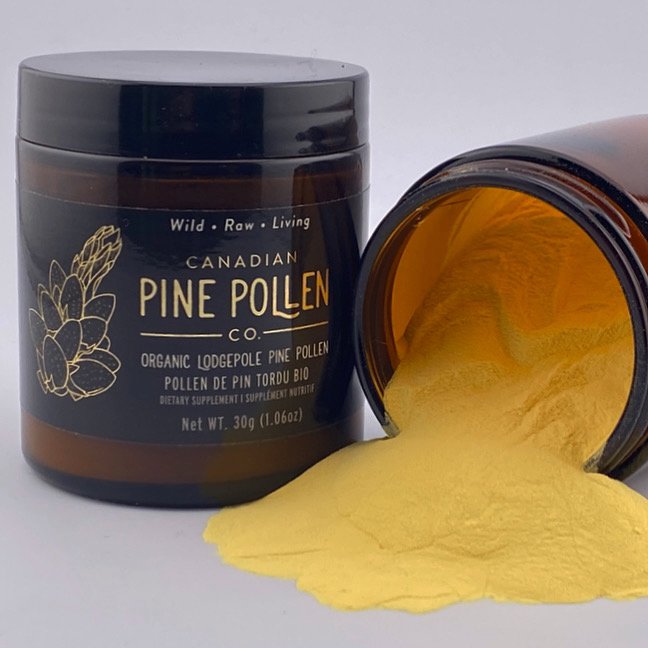
pine pollen powder extract
Pine pollen powder extract has gained attention among people interested in botanical ingredients, traditional wellness practices, and plant-based nutrition. Made from the pollen of pine trees, this ingredient is available in several forms, including finely milled powder and concentrated extracts. Pine pollen has traditionally been used in parts of East Asia as a natural food and wellness ingredient, while modern consumers are increasingly interested in its nutritional composition and potential applications.
Whether added to smoothies, mixed into food, or purchased as a concentrated botanical extract, pine pollen powder extract offers a convenient way to incorporate pine pollen into a daily routine. However, it is important to understand what it is, how it is produced, and what is currently known about its potential benefits.
What Is Pine Pollen Powder Extract?
Pine pollen is the fine powder produced by male pine cones. Pine trees release pollen during their reproductive cycle, and the pollen can be collected, processed, and prepared for consumption.
Pine pollen powder is generally produced by collecting pine pollen and drying it before grinding it into a fine powder. An extract is different because it typically involves processing the botanical material to concentrate selected compounds. Depending on the manufacturer and extraction method, the final product may vary significantly in composition, concentration, texture, and recommended serving size.
Because “pine pollen powder extract” can describe different products, consumers should check the product label carefully. Some products are simply powdered pine pollen, while others are concentrated extracts made using specific extraction processes.
Nutritional Composition of Pine Pollen
One reason pine pollen has attracted interest is its naturally occurring nutritional compounds. Pine pollen can contain proteins, amino acids, carbohydrates, lipids, vitamins, minerals, and various plant compounds. The exact nutritional profile depends on factors such as pine species, geographical location, harvesting conditions, processing, and storage.
The presence of these naturally occurring compounds makes pine pollen an interesting botanical ingredient for people seeking plant-based additions to their diets. However, nutritional composition should not automatically be interpreted as proof of a specific health effect.
A quality product should provide clear information about its source, processing method, ingredients, and serving recommendations.
Pine Pollen Powder vs. Pine Pollen Extract
Although the terms are sometimes used interchangeably, powder and extract are not necessarily the same.
Pine pollen powder is generally the whole pollen material that has been dried and finely ground. It may retain a broad range of naturally occurring components found in the original pollen.
Pine pollen extract, on the other hand, is processed to obtain a more concentrated preparation. Extraction may be performed using water or other approved extraction methods. The resulting product may have a different concentration of certain compounds compared with ordinary pine pollen powder.
For this reason, serving sizes cannot necessarily be compared directly between powder and extract products. Consumers should follow the manufacturer’s instructions rather than assuming that a larger or smaller serving is better.
Potential Uses of Pine Pollen Extract
Pine pollen powder extract is commonly marketed as a botanical wellness ingredient. People may incorporate it into their routines for different reasons, including general nutrition and interest in traditional plant-based ingredients.
Some research has investigated compounds found in pine pollen and their biological properties. Laboratory and preliminary research has explored areas such as antioxidant activity and other potential biological effects. However, laboratory findings do not necessarily demonstrate that consuming pine pollen extract will produce the same effects in humans.
More high-quality human research is needed to establish the effectiveness and appropriate uses of pine pollen supplements for specific health outcomes.
Therefore, pine pollen extract is best viewed as a botanical supplement or food ingredient rather than a replacement for a balanced diet or medical treatment.
How Pine Pollen Powder Extract Is Made
The quality of pine pollen extract can depend heavily on how the raw material is collected and processed.
Pine pollen is generally harvested during the period when male pine cones release pollen. After collection, the material may be cleaned and dried. For powdered products, the dried pollen can be finely milled.
For extract products, additional processing may be used to separate or concentrate selected components. Manufacturers may use different extraction and filtration techniques depending on their formulation.
Proper processing is particularly important because botanical products can be affected by moisture, contamination, heat, oxidation, and improper storage. Reputable manufacturers should have quality-control procedures in place throughout production.
Why Product Quality Matters
Not all pine pollen products are identical. Quality can vary according to the pine species used, harvesting location, processing technique, packaging, and storage conditions.
When choosing a pine pollen powder extract, look for a product that clearly identifies the botanical source and provides transparent ingredient information. Third-party testing can also be useful because independent testing may help verify aspects such as identity, purity, and the absence of certain contaminants.
Consumers should be cautious about products making exaggerated claims. A supplement marketed as a natural ingredient should not automatically be assumed to be risk-free or capable of treating medical conditions.
A clear label, batch information, appropriate storage instructions, and responsible health claims are useful signs of a professionally produced botanical product.
How to Use Pine Pollen Powder Extract
The appropriate way to use pine pollen powder extract depends on the specific formulation.
Powdered pine pollen may be mixed into smoothies, yogurt, oatmeal, or other foods. Some consumers prefer incorporating a small amount into beverages. Extracts may be supplied as powders, capsules, or liquid preparations, depending on the manufacturer.
Because extract products can differ considerably in concentration, it is important to follow the serving instructions provided on the product label.
It is also sensible to introduce any unfamiliar botanical product gradually rather than combining several new supplements at the same time. This makes it easier to identify any unwanted reaction.
Pine Pollen and Allergies
An important consideration is that pine pollen is pollen. People with pollen allergies or sensitivities should exercise particular caution before consuming a pine pollen product.
Although pine pollen is different from many common airborne allergens, individual reactions can vary. Anyone with known pollen allergies should discuss the use of pollen-based supplements with a qualified healthcare professional before trying them.
If someone experiences symptoms such as swelling, difficulty breathing, widespread hives, or other signs of a serious allergic reaction after consuming a product, they should seek emergency medical attention.
Is Pine Pollen Extract Suitable for Everyone?
Natural products are not automatically appropriate for everyone. People who are pregnant or breastfeeding, children, individuals taking prescription medicines, or those managing an existing medical condition should consult a healthcare professional before adding a concentrated botanical extract to their routine.
Interactions and individual sensitivities are important considerations, particularly when an extract contains concentrated plant compounds.
Pine pollen extract should also not be used as a substitute for prescribed medication, professional medical care, or a nutritious diet.
Choosing a High-Quality Pine Pollen Product
When shopping for pine pollen powder extract, consider several factors.
First, check whether the label identifies the pine species or botanical source. Second, look for information about where the raw material was harvested and how it was processed. Third, examine the ingredient list to determine whether the product contains fillers, sweeteners, preservatives, or other additives.
Independent laboratory testing is another valuable consideration. Testing can help manufacturers assess product identity and screen for contaminants.
Packaging also matters. Botanical powders should generally be protected from excessive moisture, heat, and light. Following the storage instructions can help maintain product quality after opening.
Pine Pollen as Part of a Balanced Lifestyle
Pine pollen powder extract can be an interesting addition to a broader wellness routine, particularly for people who enjoy exploring traditional botanical ingredients. However, no single supplement can replace the fundamentals of good health.
A balanced diet containing vegetables, fruits, whole grains, legumes, quality protein sources, and healthy fats remains important. Regular physical activity, adequate sleep, hydration, and appropriate medical care also contribute to overall well-being.
Pine pollen can complement these habits, but it should not be presented as a miracle ingredient or a cure for specific diseases.
Final Thoughts
Pine pollen powder extract is a concentrated botanical product derived from pine pollen. Its naturally occurring nutritional and plant compounds have made it increasingly popular among consumers interested in botanical wellness products.
The differences between ordinary pine pollen powder and concentrated extracts are important to understand, as processing methods and concentrations can vary considerably. When choosing a product, consumers should prioritize transparent labeling, responsible manufacturing, quality testing, and clear usage instructions.
While preliminary research has explored several properties of pine pollen, more human research is needed to determine the effects of supplementation and establish evidence-based uses. For people considering pine pollen powder extract, using it responsibly and treating it as one component of an overall healthy lifestyle is a practical approach.
As with any concentrated botanical supplement, individuals with allergies, medical conditions, or medication use should consult a qualified healthcare professional before adding pine pollen extract to their routine.