I used to think I understood Indian food. Turns out I understood about five dishes of it. Finding the best indian restaurant eindhoven has didn’t just change one meal. It changed the whole way I order, and it’s worth laying out the before and after honestly.
Before: My Order Never Changed
For years, my Indian takeaway order was locked in. Butter chicken, garlic naan, maybe a samosa if I was feeling adventurous. Every time. Different restaurants, same order.
I told myself I knew what I liked. Really, I’d just stopped looking. The menu could have had forty dishes and I’d have scanned straight past thirty-nine of them to reach the one I always got.
Before: Spicy Was a Yes or No Question
My entire understanding of Indian food came down to one axis: mild to hot. That was it. I’d ask for “medium” and feel like I’d made a decision.
I had no concept of region, technique, or the fact that two dishes at the exact same spice level could taste like they came from different countries. Heat was the only variable I knew how to think about.
Before: Vegetarian Meant Skipping That Section
If a dish didn’t have meat, I didn’t read it. The vegetarian half of any menu was, in my head, the part you ordered a side from and nothing more.
It never occurred to me that a vegetable dish could be the most interesting thing on the table. Why would it? Every menu I’d seen treated it as an afterthought, so I did too.
The Meal That Broke the Pattern
Then one evening I ended up somewhere that did things differently, and I made the mistake, or the good decision, of asking the staff what I should try.
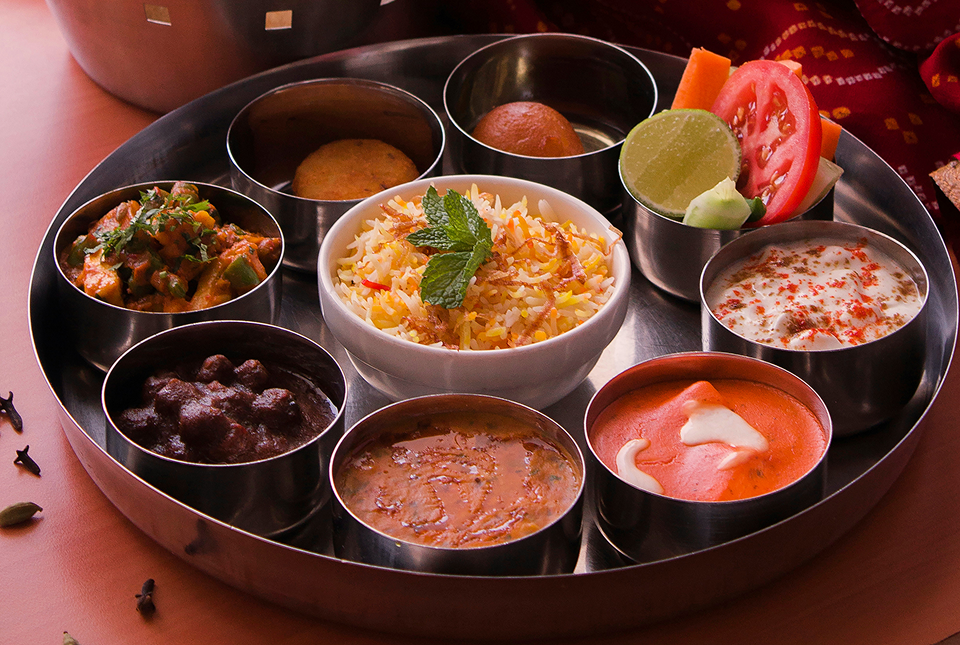
They didn’t point me at butter chicken. They suggested Chicken Chettinad, from Tamil Nadu, built on a roasted spice blend I’d never tasted. Out of curiosity I also let them talk me into Vegetable Kolhapuri, a Maharashtrian dish with a gravy hot enough to actually mean it.
Two dishes. Neither one I would ever have picked myself. Both better than anything on my usual locked-in order.
That was the moment the “before” fell apart.
After: The Menu Got Bigger
Now I read the whole menu, and it’s like a different document. Names I used to skip are the ones I look for first. Champaran Mutton from Bihar. Meen Pollichathu from Kerala, fish grilled in banana leaf. Each one is a place I haven’t been yet, not just a dish.
The menu didn’t change. My ability to read it did.
After: I Ask Where a Dish Comes From
Spice level is now the least interesting question I can ask. Instead I ask which region a dish belongs to, because that tells me far more about what’s coming.
Coconut and curry leaves from the south. Mustard oil from the east. A slow, sealed dum biryani that was basically decided before I sat down. Knowing the region tells me the technique, and the technique tells me the taste.
After: Vegetarian Dishes Come First Now
The biggest reversal. I now order at least one vegetable dish deliberately, often before the meat, because regional vegetarian cooking turns out to be some of the most interesting food on the table.
Amritsari Chole, Bhindi Do Pyaza, that Kolhapuri gravy. None of these are afterthoughts. Realising that felt like being handed back half a menu I’d been ignoring for years.
After: I Eat Slower and Notice More
There’s one more change I didn’t expect. I used to eat an Indian meal on autopilot, barely registering the food between conversation. Now I actually pay attention, because there’s something to pay attention to.
When a dish carries a specific region and technique, you start tasting the details instead of just the heat. The tang of mustard oil. The way a coconut base rounds off a chilli instead of fighting it. The clean separation of properly cooked biryani rice. None of that lands if you’re eating without thinking, and I’d been eating without thinking for years.
The Honest Part
I’ll be fair about the trade-off, because there is one. Because some of these dishes depend on what’s fresh that day, occasionally the exact one I want isn’t available. The first time that happened I was annoyed.
Then I understood it. A kitchen that says “not today” is a kitchen that won’t serve you a bad version to avoid disappointing you. I’d rather have that than a place where everything’s always available because nothing’s ever made fresh. Now I just go in with a backup in mind.
What Actually Changed
The honest truth is that the food was always there. Regional Indian cooking didn’t get invented the night I finally paid attention. What changed was me, prompted by one kitchen that bothered to put the whole map on a menu and one staff member willing to steer me off my usual order.
That’s the real before and after. Not the restaurant. The diner.
A Small Piece of Advice for Anyone Still in the Before
If any of the “before” descriptions sounded like you, the fix costs nothing. Next time, don’t order your usual. Ask the staff for one recommendation outside what you’d normally choose, and order one vegetable dish you can’t pronounce. That’s the entire experiment.
Worst case, you’ve had a decent meal. Best case, your own before-and-after starts that night. Mine did, and I only wish I’d asked the question years earlier instead of guarding an order I’d stopped even thinking about.
Where It Happened
Dhol & Soul, at Willemstraat 61 in central Eindhoven, is built around exactly this regional range. Open daily from 4:30pm to 10pm, with online booking and WhatsApp for questions. Weekends get busy, so booking ahead is wise.
And if the sit-down version converts you the way it did me, you can carry the same curiosity home. Ordering indian takeaway eindhoven from the same regional menu means the discovery doesn’t have to stop at the restaurant door. The before-and-after works just as well on your own sofa.