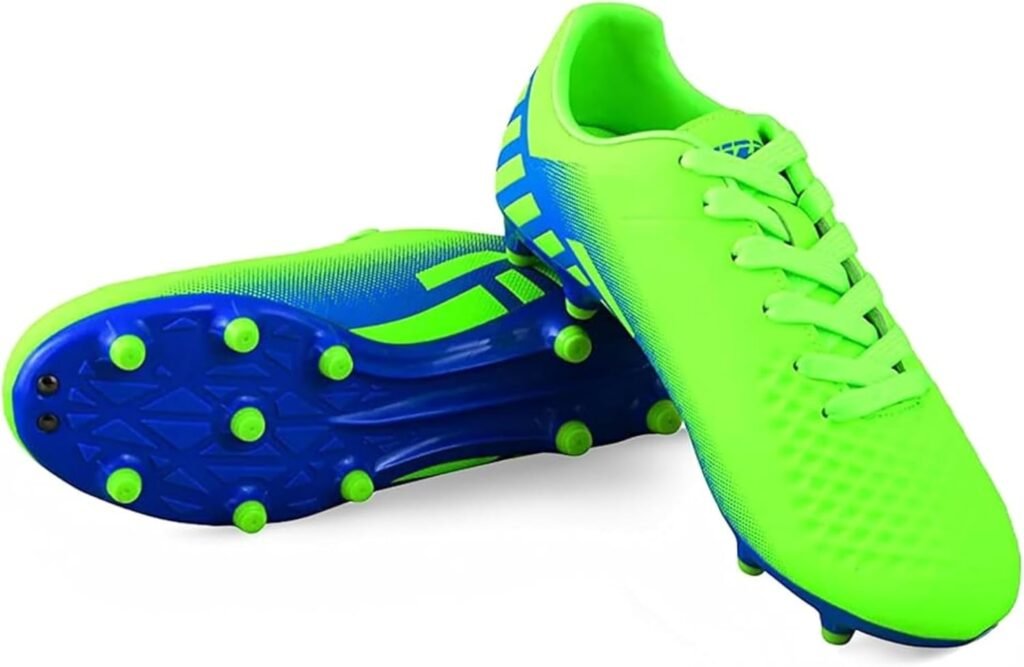
Choosing the right footwear can make a significant difference in how comfortably and confidently you perform on the soccer field. Players have different positions, movement patterns, strengths, and playing surfaces, so one pair will not necessarily suit everyone.
The ideal footwear should provide the right combination of traction, comfort, stability, and ball control while matching the demands of your playing style.
Understand Your Playing Position
Your position is one of the first factors to consider when selecting footwear. Forwards often rely on acceleration, quick changes of direction, and close control when moving around defenders. Midfielders may need a versatile option that supports frequent running, passing, and turning. Defenders generally benefit from stability and dependable traction because they often make sudden movements while challenging opponents.
Goalkeepers have their own requirements. Soccer Cleats, they need footwear that provides secure footing when moving across the goal area while allowing quick reactions. Thinking about your position can help narrow down the features that matter most.
Consider Your Playing Style
Beyond position, consider how you actually play. An aggressive attacking player who depends on speed may prefer lightweight footwear designed to support rapid movement. A player who focuses on passing and controlling possession might prioritize a comfortable fit and a clean surface for ball contact.
If your style involves frequent tackles, physical challenges, or defensive movements, stability can be particularly important. Players who constantly change direction should also look for a secure heel and supportive construction. Understanding your habits on the field makes it easier to identify features that complement your game.
Match Cleats to the Playing Surface
The playing surface is another essential consideration. Soccer footwear is designed with different sole configurations for different conditions. Firm-ground models are generally intended for natural grass fields that are relatively firm and dry. Their studs are arranged to provide traction without becoming excessively aggressive on suitable surfaces.
Artificial-grass fields can require a different configuration. Artificial-turf footwear typically uses a pattern designed to distribute pressure across the surface while providing suitable grip. Indoor courts and turf surfaces may require flat or specialized soles rather than traditional longer studs.
Using footwear designed for the wrong surface can affect traction, comfort, and durability. Before purchasing, identify where you play most often and select a sole configuration appropriate for those conditions.
Focus on the Right Fit
Even technically advanced footwear will not perform well if it does not fit properly. Your foot should feel secure without being painfully compressed. Excess movement inside the shoe can reduce stability, while an excessively tight fit may create discomfort during training or matches.
Pay attention to the length and width of the footwear. Soccer Cleats, your toes should have enough room to sit naturally without sliding forward. The heel should remain securely positioned when you sprint or change direction.
It is also useful to try footwear while wearing the type of soccer socks you normally use. Feet can swell during extended activity, so comfort should be assessed while moving rather than simply standing still.
Look at Weight and Construction
Weight can influence how footwear feels during a match. Lightweight designs may appeal to players who prioritize speed and agility, while slightly more structured models may provide additional support and protection.
The upper material also affects the experience. Some materials are designed to provide a soft, flexible sensation, while others emphasize structure and durability. Think about whether you prefer a close, responsive feel or a more protective construction.
Remember that lighter does not automatically mean better. A player who values stability may benefit more from supportive construction than from reducing every possible gram.
Evaluate Traction
Traction helps players accelerate, stop, and change direction. However, more aggressive traction is not necessarily suitable for every player or field. The ideal stud pattern depends on the playing surface and the movements you regularly perform.
Players who make sharp cuts should pay close attention to how securely their footwear grips the ground. At the same time, excessive traction on an unsuitable surface can create an uncomfortable experience and may increase stress on the feet and legs.
Selecting the appropriate sole is therefore about finding a balance between grip and mobility.
Think About Ball Control
Modern soccer footwear can also influence how players experience the ball. The shape and material of the upper can affect touch, especially when receiving passes, dribbling, or striking.
Soccer Cleats, players who spend much of the match controlling possession may prefer a design that provides a consistent and comfortable contact surface. For attackers, a responsive feel can be useful when making quick touches near the penalty area.
However, ball control ultimately depends heavily on technique. Footwear should complement your skills rather than be expected to replace practice.
Consider Comfort for Training and Matches
If you train several times each week, comfort becomes especially important. A pair that feels acceptable for a short match may become uncomfortable during long training sessions.
Look for cushioning and construction that suit your feet and playing routine. Consider whether you experience pressure around particular areas of your feet and choose a design that accommodates those needs.
Breaking in new footwear gradually can also help. Wearing a new pair for shorter sessions before using it for a full match may allow your feet to adjust.
Check Durability and Maintenance
The right choice should also fit your playing frequency and budget. Players who train and compete regularly may benefit from durable construction because their footwear will experience significantly more wear.
Maintenance matters too. Cleaning dirt off after use and allowing footwear to dry properly can help preserve its materials. Always follow the manufacturer’s care instructions, particularly when dealing with synthetic or specialized materials.
If you regularly play on different surfaces, owning appropriate footwear for each surface may also extend the usable life of each pair.
Set a Practical Budget
Price is another factor, but the most expensive option is not automatically the most suitable. Instead, identify the features that are genuinely important to your game.
A recreational player may need a comfortable, durable pair for occasional matches, while a competitive athlete may place greater importance on specialized construction, weight, traction, and fit.
Comparing several options within your budget can help you prioritize meaningful features rather than simply paying for a premium name or appearance.
Try Before You Commit
Whenever possible, try footwear before purchasing. Walk, jog, and make a few controlled movements to see how your feet respond. Check whether your heel stays in place and whether your toes have enough space.
If buying online, carefully review the manufacturer’s sizing information and return policy. Different brands and models can have slightly different shapes, so relying only on your usual shoe size may not always produce the best fit.
Sports Excellence for Soccer Gear
For players exploring soccer footwear and other athletic equipment, Sportsexcellence offers a range of sports products that can help athletes find equipment suited to their activities. When choosing a pair, shoppers can compare available designs, features, sizing, and intended playing surfaces to identify an option that fits their individual requirements. More visit: https://sportsexcellence.com/
Conclusion
Choosing the right footwear is ultimately about matching equipment to the way you play. Consider your position, movement patterns, preferred playing surface, fit, traction requirements, comfort, and budget before making a decision. The best pair should feel secure and comfortable while supporting the movements you perform most frequently.
Rather than choosing based solely on appearance or popularity, focus on the features that correspond to your personal needs. With careful consideration and a proper fit, your footwear can become a reliable part of your soccer equipment and help you concentrate on technique, teamwork, and performance.