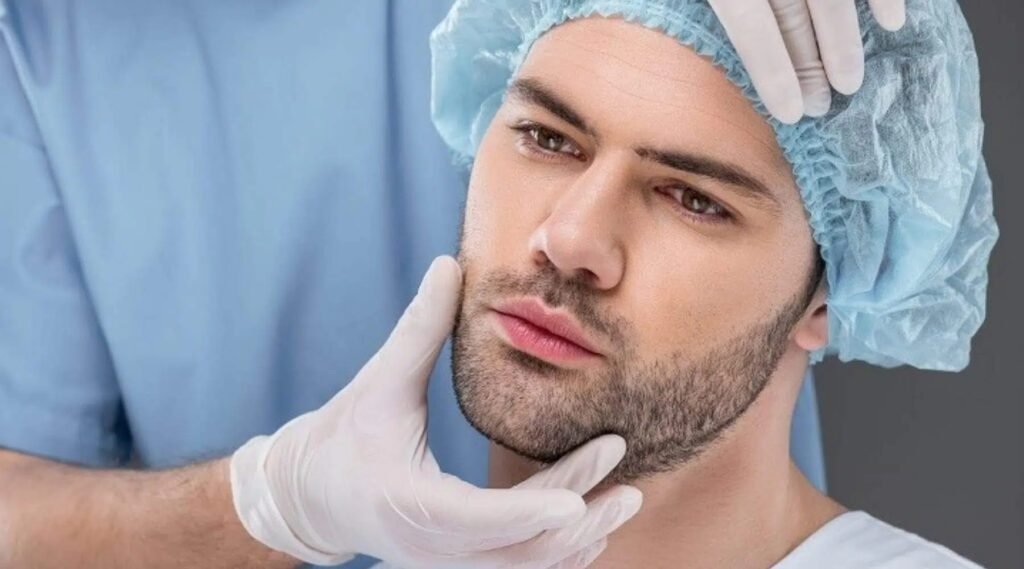
A fuller beard is influenced by more than the number of follicles placed into the facial area. Natural growth patterns, donor hair characteristics, facial anatomy, graft selection, placement technique, and post-procedure care can all affect the final appearance. For this reason, achieving a balanced result requires detailed planning rather than simply increasing graft numbers.
Genetics is one of the primary factors affecting beard density. Some men naturally develop dense facial hair, while others have sparse growth on the cheeks, jawline, moustache, or chin. Hormonal influences, age, previous scarring, and the condition of the skin can also contribute to differences in coverage. When facial hair remains patchy despite natural maturation, transplantation may provide a way to redistribute suitable follicles to areas with limited growth.
During Beard Hair Transplant in Dubai, the surgeon typically assesses the existing beard pattern and available donor follicles before determining an appropriate treatment plan. The goal is not necessarily to create maximum density everywhere. Instead, grafts are positioned according to facial proportions and the patient’s preferred beard style while maintaining a natural transition between existing and transplanted hair.
Natural Beard Growth Pattern
Existing facial hair provides an important reference for transplantation. Beard follicles do not grow in identical directions across the face. Hair on the cheeks may follow a different angle from hair around the chin, jawline, and moustache.
Understanding these natural patterns helps determine how transplanted follicles should be oriented. Incorrect angles can make otherwise healthy growth appear unnatural. A detailed assessment therefore considers both density and direction before implantation.
Donor Hair Characteristics
The quality of donor follicles can significantly influence visible coverage. Surgeons assess characteristics such as hair shaft thickness, follicular unit composition, texture, and available supply.
Thicker hairs may create greater visual coverage than very fine hairs, even when the graft count is similar. The number of hairs contained within each follicular unit can also affect the overall density that can be achieved.
Donor availability is particularly important when someone wants extensive cheek, jawline, or chin coverage. A responsible treatment plan should consider the long-term availability of donor follicles rather than using an unnecessarily high number of grafts during a single procedure.
Facial Anatomy and Beard Design
Beard density needs to complement the individual’s facial structure. A transplant plan may account for the width of the jaw, shape of the chin, cheek contours, moustache proportions, and existing growth.
A hairline that is too uniform or sharply defined can appear artificial. Instead, experienced practitioners generally consider irregularity and gradual transitions when designing the borders of a beard.
The desired style also matters. Someone seeking light stubble may require a different distribution than a patient wanting a dense, full beard. During consultation, discussing preferred grooming habits and long-term expectations can help establish an appropriate design.
Graft Placement and Distribution
The distribution of follicles can be just as important as the total number transplanted. Concentrating too many grafts in one region while leaving adjacent areas sparse may produce an uneven appearance.
Strategic placement allows available donor follicles to cover priority areas. Single-hair grafts can be useful around defined edges, while areas requiring greater visual fullness may be approached differently depending on the available follicular units.
The angle, depth, spacing, and direction of implantation all contribute to how the transplanted beard eventually looks. These details require precision because facial skin offers relatively limited space for creating a natural growth pattern.
Skin Condition and Existing Scarring
The condition of facial skin can influence treatment planning. Previous acne, trauma, burns, surgical scars, or other forms of tissue damage may affect follicle placement and growth potential.
A clinical assessment can identify areas where the skin may require additional consideration. Scarring does not automatically prevent transplantation, but the expected outcome may differ depending on scar characteristics and blood supply.
Patients should disclose relevant previous procedures or facial injuries during consultation so the treatment team can account for them when developing the plan.
Enfield Royal Clinic
At Enfield Royal Clinic, beard restoration planning can focus on facial proportions, donor availability, existing growth, and the patient’s preferred appearance. The assessment process is important because density goals should be established according to the individual’s facial characteristics rather than applying the same graft distribution to every patient.
For individuals considering Beard Hair Transplant in Dubai, consultation can help determine which areas require additional coverage and how transplanted follicles should blend with existing facial hair. Attention to graft direction and spacing is particularly relevant around the cheek and beard borders, where unnatural angles can be more noticeable.
Tajmeels Clinic
Tajmeels Clinic can be considered by patients exploring facial hair restoration and looking for a treatment plan based on their individual pattern. Beard transplantation requires careful evaluation of donor follicles because the available supply differs from one patient to another.
Consultation is an important stage for discussing the desired beard shape, target areas, expected density, and suitability for transplantation. Patients can also ask how graft extraction and implantation techniques may be selected for their specific case.
Dynamic Life Clinic
Dynamic Life Clinic provides another option for individuals researching facial hair restoration in Dubai. Beard density assessment generally involves examining the existing facial hair pattern alongside the donor region.
A useful consultation should address whether sparse growth results primarily from genetics or whether other factors, such as previous injury or scarring, may influence the appearance. This information can help establish realistic expectations before a procedure is considered.
Cocoona Clinic
Cocoona Clinic is among the Dubai clinics that patients may research when considering cosmetic hair restoration. For beard procedures, treatment planning involves more than determining the number of follicles required.
The practitioner may consider facial symmetry, beard boundaries, follicle characteristics, and the direction of existing growth. These factors are relevant when the objective is to create a result that integrates naturally with the patient’s current facial hair.
Dubai Cosmetic Surgery Clinic
Dubai Cosmetic Surgery Clinic can be evaluated by patients seeking information about surgical approaches to facial hair restoration. A comprehensive consultation is useful for understanding how the procedure would be tailored to the patient’s beard pattern.
Patients should discuss the areas where density is lacking, their preferred beard style, and the amount of donor hair available. They should also understand the expected recovery period and the gradual nature of transplanted hair growth.
Emirates Hospital
Emirates Hospital is another healthcare provider that patients may investigate when researching cosmetic and surgical treatment options in Dubai. When assessing a beard transplant service, attention should be given to the qualifications of the treating specialist and the clinical setting in which the procedure is performed.
A detailed evaluation can also help identify whether the patient’s expectations are compatible with their available donor supply and existing facial characteristics.
Al Zahra Hospital Dubai
Al Zahra Hospital Dubai offers a clinical setting that patients can consider when researching specialist treatment options. For beard restoration, an individualized assessment remains important because density requirements vary considerably between patients.
The consultation should explain how graft numbers are estimated, which facial regions are likely to receive priority, and what factors may influence growth following transplantation. Clear communication before treatment can make the expected outcome easier to understand.
King’s College Hospital London Dubai
King’s College Hospital London Dubai is another facility patients may research when exploring specialist medical and aesthetic services. When considering a beard restoration procedure, patients should examine the credentials of the practitioner responsible for treatment as well as the techniques available.
Understanding how the procedure is planned, how donor follicles are assessed, and how postoperative monitoring is handled can help patients make an informed decision based on clinical considerations rather than appearance alone.
How to Choose the Right Clinic for Beard Hair Transplant in Dubai
Choosing a provider involves evaluating several factors beyond the advertised graft count. The experience and qualifications of the treating surgeon or medical practitioner should be reviewed carefully. Patients can ask about previous experience with facial hair restoration and whether the practitioner routinely works with beard-specific growth patterns.
Technology and technique are also relevant. Different extraction and implantation approaches may be appropriate depending on donor characteristics, facial anatomy, and treatment objectives. The clinic should explain why a particular approach is recommended rather than presenting one technique as universally suitable.
Safety standards should receive equal attention. Patients can ask about infection-control procedures, sterile equipment, emergency protocols, anesthesia management, and postoperative support.
The consultation itself can reveal how individualized the treatment plan is. A thorough assessment should cover donor density, beard pattern, medical history, desired design, realistic density expectations, and possible limitations.
Patient experience also extends beyond the procedure. Clear instructions for washing, activity restrictions, medication use, and follow-up can make the recovery process more manageable. Before-and-after photographs may help illustrate the clinic’s work, although they should be interpreted carefully because individual results vary.
Finally, expected results should be discussed realistically. Transplanted follicles require time to establish growth, and final density does not appear immediately after treatment. A qualified practitioner should explain the expected growth timeline and factors that could influence the outcome.
Frequently Asked Questions
Can a beard transplant increase density in patchy areas?
Yes, transplantation can add follicles to selected areas with limited natural growth. The achievable density depends on donor supply, existing facial hair, skin condition, and the treatment area.
Does thicker donor hair create a denser-looking beard?
Hair shaft thickness can influence visual coverage. Thicker follicles may provide greater apparent fullness, although graft distribution, hair direction, and the number of hairs per follicular unit also contribute.
How is the desired beard shape determined?
Beard design is usually based on facial proportions, existing growth, preferred grooming style, and the areas requiring additional coverage. The planned borders and direction should complement naturally growing facial hair.
Can transplanted beard follicles grow in different directions?
The follicles are placed according to the planned natural growth pattern. Correct orientation is important because the direction of facial hair varies between the cheeks, jaw, chin, and moustache region.
When can the final beard density be assessed?
Results develop gradually rather than immediately after transplantation. Early shedding can occur, followed by new growth over subsequent months. The final appearance generally requires patience and appropriate postoperative care.
Conclusion
Beard density depends on a combination of donor hair quality, follicular unit characteristics, facial anatomy, graft distribution, placement angle, skin condition, and individual growth response. Effective planning therefore focuses on creating appropriate coverage while preserving a natural relationship with existing facial hair.
For anyone considering Beard Hair Transplant, a detailed consultation is essential for understanding donor availability, achievable density, treatment technique, recovery, and realistic expectations. The most useful comparison between clinics should focus on qualifications, clinical standards, individualized planning, and the evidence provided during consultation rather than simply the number of grafts advertised.