Shopify Plus store development showcasing a scalable ecommerce website
Entering the world market with your enterprise ecommerce store is much more than translating a website or offering multi-currency at checkout. Customers demand high speed shopping with relevant payment methods in local currencies and clear tax structure before completing checkout. Large volumes mean complex pricing models that need managing across multiple regions.41The benefits of implementing your global strategy with dedicated enterprise infrastructure. By upgrading with enterprise ecommerce store development specialists, ambitious businesses gain the benefit of expert store architecture, automated workflows and region-specific design elements for a consistent customer experience worldwide. In this guide we will break down the mechanics of building a global shopify plus store, and look at how custom storefront design drives enterprise growth internationally.
1. Multi-Store Architecture & Regional Localization
Put simply, single-storefront ecommerce solutions often don’t satisfy all the legal, tax and cultural demands of consumer bases around the world. The ecommerce giant tackles this problem with the ability for enterprise merchants to deploy expansion stores from a single main admin account. Specific development teams enable multi-store set up which provides:
- Localized Currency & Pricing Rules: Setting up region-specific price books, calculating local tax rates (such as GST or VAT) and detecting visitors’ location to display local currencies.
- Regional Inventory Routing: Connecting local fulfillment centers, third-party logistics (3PL) partners, and regional warehouses to show accurate product availability and speed up delivery times.
- Cultural and Language Adaptations: Tailoring site content, promotions, and media assets to align with local shopping holidays and regional consumer preferences.
2. Headless Commerce and High-Performance Storefronts
Page speed impacts cross border conversion, particularly when mobile networks are of varying speeds across your most important geographies. Many enterprise brands are leveraging a highly custom headless commerce architecture to push for that next, just-below-the-radar level of speed. Because headless breaks down the presentation layer of a website from the engine where the commerce functionality lives, developers can deliver near real-time page loads to customers thanks to our global edge network.
And in the footsteps of some of the most innovative creative agency websites, which combine compelling storytelling and simple design for speed, headless frees brands to push out engaging custom animations, product configurators and media without the performance or scale tradeoffs.
3. Strong B2B and convert-ready checkout extensibility B2B and global
Cross-border shoppers expect fast, seamless checkout flows. Checkout friction is one of the top reasons for abandoned shopping carts-especially across borders. Shopify Plus Checkout Extensibility provides developers the tools to build on top of our native checkout system for a fast, secure and customized checkout experience that meets local needs.
And some of the most common checkout/customization area include:
Key checkout and backend customizations include:
- Localized Payment Gateways: Integrating regional payment options—such as iDEAL, Klarna, or local digital wallets—directly into the checkout UI.
- Automated Workflow Logic: Utilizing Shopify Flow and custom Shopify Functions to automate risk analysis, tag international orders, and route tasks without manual oversight.
- Integrated Wholesale (B2B) Portals: Running direct-to-consumer (DTC) and wholesale B2B operations from a single platform, complete with custom price catalogs, net payment terms, and bulk ordering workflows.
4. Enterprise System Integrations
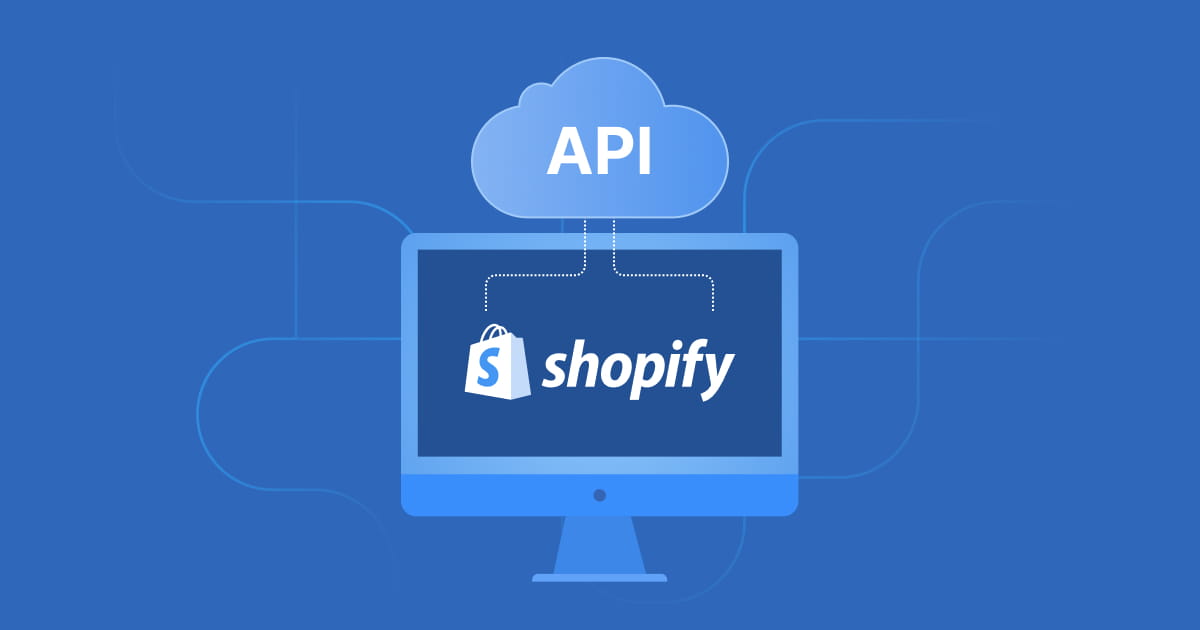
Global brands rely on interconnected software ecosystems to keep operations running smoothly. Professional development teams build custom API integrations connecting your Shopify Plus backend with enterprise resource planning (ERP) platforms, customer relationship management (CRM) systems, and product information management (PIM) tools. Real-time data synchronization ensures inventory, order statuses, and customer records remain consistent across all sales channels.
Pros & Cons of Shopify Plus Global Development
Scaling on an enterprise e-commerce platform provides massive operational advantages, but business leaders must evaluate both benefits and technical resource requirements.
Pros
- Reliability Unmatched: Managed hosting, server auto-scaling and guaranteed uptime enables performance during traffic spikes and flash sales.
- Centralized Control: Manage multi-currency expansion stores, inventory locations, and employee permissions centrally via one portal to reduce administrative burden.
- Increased Checkout Conversion: Custom Checkout Extensibility and native Shop Pay makes checkout vastly more conversion-friendly worldwide.
Cons
- Initial Development Cost: Headless storefronts, custom theme development and complex ERP integrations demand high-skilled development resources and development budget.
- Ongoing Strategy: International expansion requires ongoing localized marketing, tax compliance and platform maintenance.
Frequent Questions
How does Shopify Plus support multi-currency sales?
Native Shopify Plus multi-currency tools convert product prices automatically based on current exchange rates or fixed custom price list and display those prices to customers, accept payments, and send refunds in that customer’s local currency.
Can I manage both DTC and B2B sales in one Shopify Plus account?
Yes. Shopify Plus has native B2B functionality to let merchants create custom wholesale price lists, net payment terms, and wholesale company profiles alongside the retail DTC storefront.
Summary
Achieving international e-commerce scale is about building an infrastructure of speed, local relevance, and administrative agility. By deploying the right specialist B2C / B2B Shopify Plus store development solutions-advanced Shopify Plus multi-store architectures, Shopify Plus headless storefronts, powerful Shopify Plus Checkout customizations, and efficient ERP integrations-brands can position international growth as a source of predictable revenue growth.