Lottery games have always attracted players who enjoy the excitement of choosing numbers and waiting for the results. While many people select numbers based on birthdays, anniversaries, lucky digits, or quick picks, a growing number of players are becoming interested in a more data-driven approach to lottery number selection. Studying historical results, frequency patterns, number combinations, and statistical trends can provide a completely different perspective on how lottery games work.
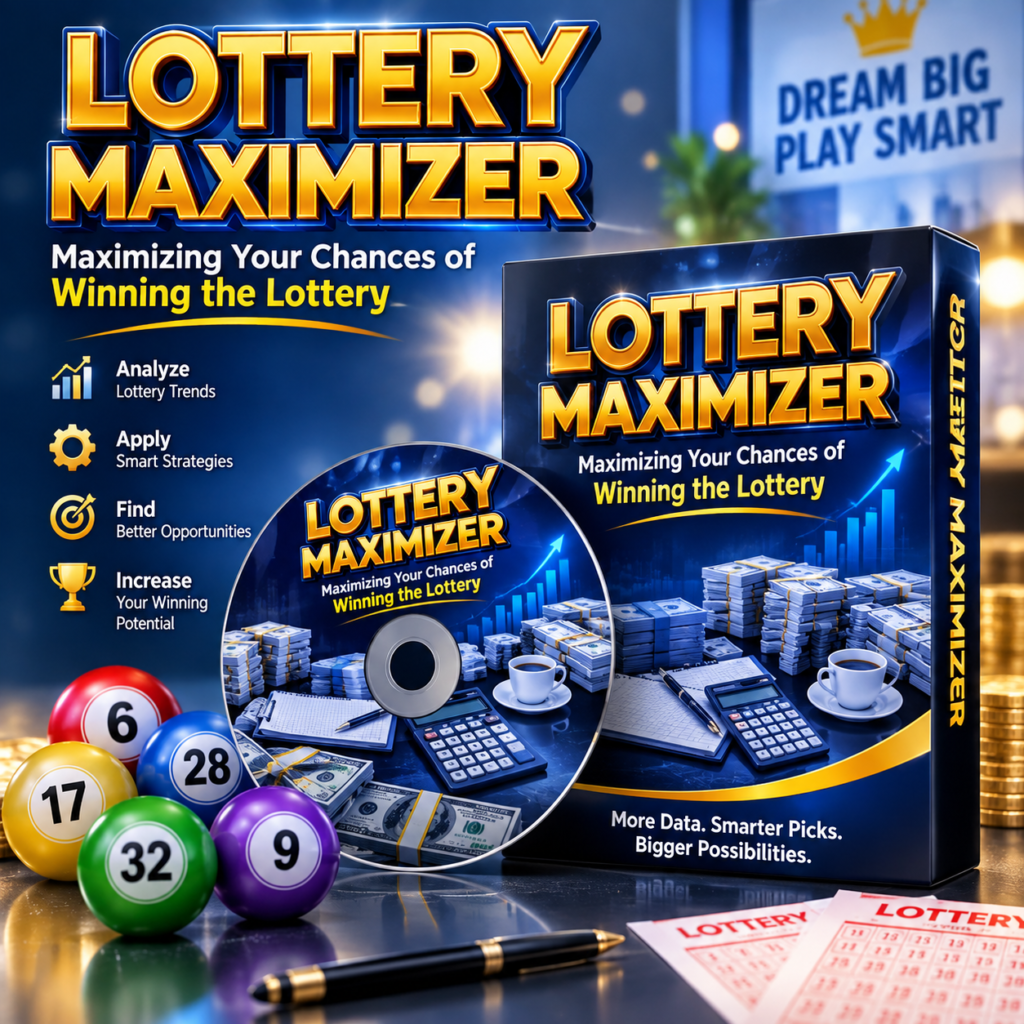
Lottery Maximizer introduces an educational approach that helps players explore lottery data and understand number trends in a simple and structured way. Rather than depending entirely on luck or personal preferences, players can learn how historical information and probability concepts can be used to make more organized number selections.
Why Study Lottery Number Trends?
Every lottery draw is based on chance, but historical results create a large amount of information that can be studied. Previous draws can show how frequently particular numbers appeared, which combinations occurred together, and how numbers were distributed across different ranges.
This does not mean that past results can predict the next winning combination. Lottery draws remain random, and no strategy can guarantee a prize. However, analyzing previous data can help players develop a better understanding of probability and make their selection process more thoughtful.
Instead of simply asking, “Which number feels lucky?” players can ask more analytical questions:
- Which numbers have appeared frequently?
- Which numbers have appeared less often?
- Are certain number ranges represented more frequently?
- How often do consecutive numbers occur?
- Which combinations have appeared in previous draws?
- How are numbers distributed across the available range?
These questions can make lottery participation more analytical and educational.
A Smarter Way to Explore Lottery Data
Lottery Maximizer focuses on making statistical concepts easier for everyday players to understand. You do not need advanced mathematical knowledge to explore historical lottery information. The basic idea is to examine available data, recognize patterns, and use that information to build a more structured selection process.
One useful starting point is number frequency analysis. By reviewing historical draws, players can identify numbers that have appeared frequently over a particular period. These are sometimes referred to as “hot” numbers.
On the other hand, numbers that have appeared less frequently are commonly called “cold” numbers. Some players like to include a mixture of both categories when creating combinations.
The important point is to understand that frequency does not determine what will happen in a future draw. A number that has appeared several times is not automatically more likely to appear again, just as a number that has not appeared recently is not guaranteed to be “due.”
Understanding Hot and Cold Numbers
Hot and cold number theories are among the most popular concepts in lottery analysis.
A hot number generally refers to a number that has appeared more frequently within a selected historical period. A cold number is one that has appeared less frequently during that same period.
Studying these categories can help players understand how number frequency changes over time. For example, a number may be considered hot during one period but become less frequent later.
Lottery Maximizer presents these concepts as part of a broader educational approach to studying historical lottery statistics. Instead of treating hot or cold numbers as guaranteed indicators, players can view them as data points that contribute to a larger analysis.
This approach encourages players to look at the bigger picture rather than relying on a single statistic.
Look Beyond Individual Numbers
Analyzing individual numbers is only one part of lottery research. Another interesting area is combination analysis.
Players can examine previous draws to see whether certain number relationships appear repeatedly. This may include:
- Consecutive numbers
- Odd and even number balances
- Low and high number combinations
- Numbers from different numerical ranges
- Repeated pairs
- Distribution across the available number field
For example, instead of selecting six numbers clustered within a small range, a player might explore combinations spread across several sections of the number pool.
This does not improve the mathematical odds of a particular combination being drawn, but it can create a more organized and intentional selection method.
Historical Data Can Reveal Interesting Patterns
One of the biggest advantages of studying lottery history is the amount of information available. Depending on the lottery, players may be able to review years of publicly available draw results.
Long-term data can be useful for identifying frequency changes, recurring combinations, number distribution, and statistical trends.
Short-term data can also be interesting because it shows how recent draws compare with longer historical periods.
For example, a number may have a high long-term frequency but a low recent frequency. Another number may show the opposite pattern. Looking at both perspectives gives players more information to consider when building combinations.
The goal is not to predict the future but to understand the past more effectively.
Creating More Balanced Number Combinations
Another concept explored through Lottery Maximizer is structured number selection. Rather than choosing numbers completely at random, players can organize their choices using different statistical considerations.
A balanced combination might include a mixture of:
Low and high numbers:
This can create a wider numerical distribution.
Odd and even numbers:
Players can experiment with different odd-even ratios instead of selecting only one type.
Frequently and less frequently appearing numbers:
Combining different frequency categories can provide variety.
Different numerical ranges:
Spreading selections across the available number pool can help avoid heavily clustered combinations.
Again, these techniques should be viewed as methods for organizing selections rather than systems that guarantee winning results.
Exploring Popular Lottery Games
Different lottery games have different rules, number pools, and drawing formats. Therefore, historical analysis needs to take the specific game structure into account.
Popular games such as Powerball and Mega Millions provide extensive historical information that can be studied. Regional and state lotteries can also offer useful datasets for players interested in analyzing previous results.
Lottery Maximizer is designed around concepts that can be adapted to multiple lottery formats. The basic principles remain similar: examine historical data, understand frequency, recognize patterns, and make selections through a more informed process.
This flexibility makes the educational approach useful for both beginners and experienced lottery players.
Why a Data-Driven Mindset Matters
Many lottery players make selections based entirely on personal preferences. Birthdays, anniversaries, favorite sports numbers, and memorable dates are common choices.
There is nothing wrong with choosing numbers this way, but these methods can sometimes result in combinations concentrated around smaller numbers, particularly numbers from 1 to 31.
A data-driven mindset encourages players to consider the entire number range rather than automatically choosing familiar digits.
This can also make the lottery experience more interesting. Instead of simply selecting numbers and waiting for the result, players can spend time learning about probability, statistics, historical trends, and number distribution.
Simple Enough for Beginners
Statistical analysis can sound complicated, especially for someone who has never studied probability. However, Lottery Maximizer focuses on presenting these concepts in an accessible way.
The educational approach breaks the process into simple stages. Players can begin by choosing a lottery, reviewing historical results, studying frequency patterns, and then experimenting with structured combinations.
There is no requirement for specialized software or advanced technical knowledge. The focus is on understanding the information that is already available and learning how to interpret it.
This makes the concept approachable for people who are completely new to lottery analysis.
Responsible Lottery Participation Is Important
While studying lottery statistics can be entertaining and educational, it is important to maintain realistic expectations. No lottery strategy can guarantee winning numbers or financial success.
Lottery games are based on chance, and every eligible combination has a probability of being selected according to the specific rules of the game.
Using historical data should therefore be viewed as an educational exercise rather than a promise of future results. Players should always participate responsibly, set reasonable spending limits, and treat lottery tickets as entertainment rather than a guaranteed source of income.
The real value of statistical analysis is the opportunity to understand how lottery systems work and approach number selection with greater awareness.
A Fresh Perspective on Lottery Number Selection
The popularity of data analysis continues to influence many areas of everyday decision-making, and lottery research is no exception. Historical information can provide fascinating insights into number frequency, distribution, recurring combinations, and statistical behavior.
Lottery Maximizer gives players an opportunity to explore these ideas without making unrealistic promises. Its educational focus encourages people to move beyond simple lucky-number selection and discover how data can be organized and interpreted.
Whether you are interested in Powerball, Mega Millions, or a local lottery, learning how to examine previous results can add another dimension to the experience.
Final Thoughts: Explore the Numbers Differently
Lottery games will always contain an element of chance, but that does not mean players cannot approach number selection in a more thoughtful way. Studying historical results, comparing number frequencies, exploring hot and cold numbers, and creating balanced combinations can make the process more engaging.
Lottery Maximizer provides an accessible introduction to these ideas, helping players explore lottery statistics through a structured and educational perspective.
The most important takeaway is simple: use data to learn, not to expect certainty. Past results cannot guarantee future outcomes, but they can offer valuable lessons about probability, patterns, and the way lottery numbers behave over time.
For anyone curious about finding new ways to study winning number trends, exploring historical lottery data can be an interesting place to begin. With a responsible mindset and a willingness to learn, players can turn ordinary number selection into a more informed and engaging experience.