Melasma is a common skin pigmentation concern that appears as darker, uneven patches, most often across the cheeks, forehead, nose, upper lip, and chin. Although it is not usually harmful, visible pigmentation can affect the overall appearance of the complexion and make the skin look uneven.
Modern aesthetic care focuses on understanding the individual causes and characteristics of pigmentation before recommending treatment. Personalized assessment can help determine whether topical skincare, professional procedures, or a combination approach is more suitable for achieving a clearer and more balanced complexion.
For people looking for Melasma In Manchester, professional guidance can provide a structured approach to managing pigmentation while supporting long-term skin health. SLA Medical Clinic offers aesthetic and skin-focused care designed around individual skin concerns and treatment goals.
Understanding Melasma
Melasma develops when certain areas of the skin produce increased amounts of melanin, the pigment responsible for skin colour. This can result in brown, greyish, or darker patches that are usually more noticeable against the surrounding skin.
Melasma can occur in different skin types and may vary significantly from person to person. Some individuals experience mild, isolated patches, while others may have more widespread pigmentation.
Common Areas Affected by Melasma
Melasma most frequently appears on areas that receive regular environmental exposure. Common locations include:
- Cheeks
- Forehead
- Nose
- Upper lip
- Chin
- Jawline
The pigmentation is often relatively symmetrical, meaning similar areas on both sides of the face may be affected.
Why Melasma Can Be Persistent
Melasma is often considered a chronic pigmentation condition because the tendency toward increased pigmentation can remain even after visible patches become lighter.
Changes in hormones, environmental exposure, heat, and other factors may contribute to pigmentation becoming more noticeable. This is why a consistent skincare and maintenance routine can be an important part of achieving and maintaining a more even complexion.
What Causes Melasma?
Melasma does not have one single cause. It can develop through a combination of genetic, hormonal, environmental, and lifestyle-related influences.
Hormonal Influences
Hormonal changes can stimulate pigment-producing cells in the skin. Melasma is therefore frequently associated with periods of hormonal fluctuation.
Changes associated with pregnancy, hormonal contraception, or other hormonal variations may contribute to its development or increased visibility.
Sun and Environmental Exposure
Ultraviolet radiation can stimulate melanin production and make existing pigmentation more prominent. Even when the weather appears cloudy, regular environmental exposure can contribute to pigmentation concerns.
Consistent daily sun protection is therefore an important part of a melasma-focused skincare routine.
Heat and Skin Stimulation
Heat may also influence pigmentation in some individuals. Regular exposure to intense heat or activities that significantly warm the skin can sometimes make pigmentation appear more noticeable.
A personalized consultation can help identify environmental or lifestyle factors that may be relevant to an individual’s pigmentation pattern.
Personalized Assessment for Melasma
Every case of melasma is different, so treatment should not follow a single formula for everyone. A professional assessment can help determine the depth, distribution, and characteristics of pigmentation.
Skin Analysis
An assessment may consider the colour and location of pigmentation, overall skin condition, previous treatments, current skincare products, and the individual’s goals.
Understanding these factors allows a treatment plan to be developed around the person’s specific needs.
Identifying Individual Triggers
Melasma management can also involve identifying factors that may contribute to pigmentation becoming more noticeable. These may include environmental exposure, hormonal changes, skincare habits, or inconsistent sun protection.
Addressing relevant triggers can complement professional treatment and support longer-term results.
Treatment Options for Melasma
The most appropriate treatment depends on the individual’s skin and pigmentation characteristics. Professional treatment may involve topical approaches, advanced skin procedures, or a combination of different methods.
Medical-Grade Skincare
Professionally recommended skincare can play an important role in managing pigmentation. Depending on individual needs, a skincare programme may focus on supporting skin renewal and helping improve the appearance of uneven pigmentation.
A consistent routine is often more important than using numerous products at once. Products should be selected according to skin type and tolerance.
Chemical Peels
Certain professional chemical peels can help improve the appearance of uneven pigmentation by encouraging controlled exfoliation and skin renewal.
The type and strength of a peel should be selected according to the individual’s skin condition. A personalized approach is particularly important when treating pigmentation-prone skin.
Laser and Light-Based Treatments
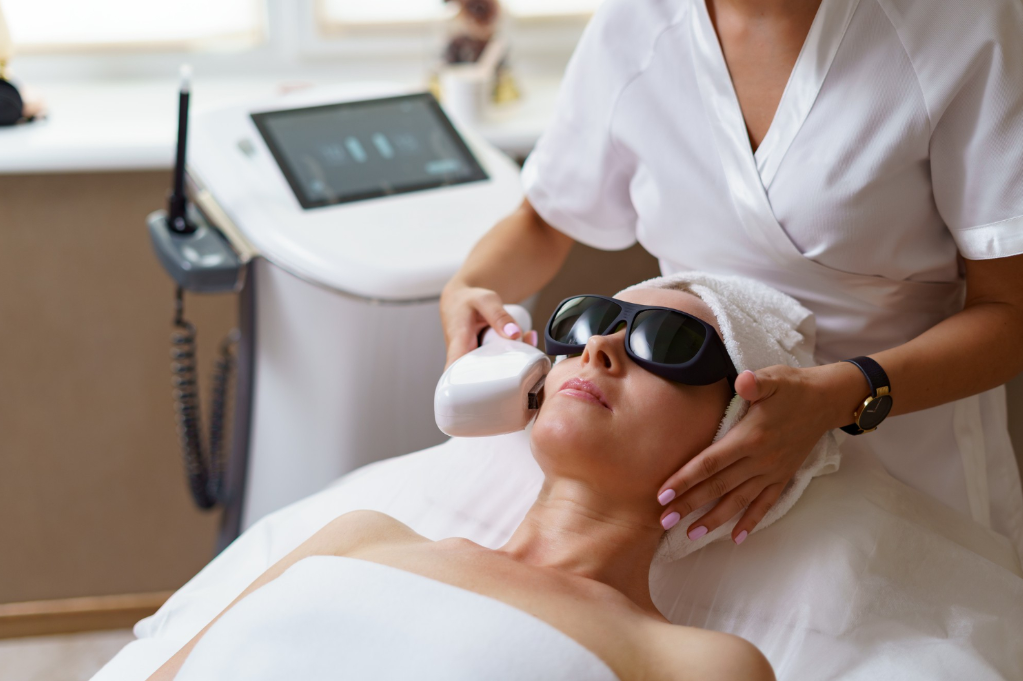
Some advanced laser or light-based treatments may be considered for pigmentation concerns. These technologies can target pigment within the skin and may form part of a broader treatment programme.
The suitability of these treatments depends on factors such as pigmentation depth, skin type, previous treatments, and the overall condition of the skin.
Combination Treatment Plans
Melasma may respond best to a combination approach rather than a single treatment. A professional plan can combine suitable skincare with selected in-clinic procedures to address pigmentation from different angles.
Combination treatment can also be adjusted over time according to how the skin responds.
Why Personalized Melasma Treatment Matters
A personalized approach allows treatment to be tailored to the individual’s pigmentation rather than applying the same procedure to every patient.
Different Skin Types Need Different Approaches
Skin type can influence the choice of treatment. People with different levels of pigmentation, sensitivity, and skin characteristics may require different treatment strategies.
A carefully selected approach can focus on improving pigmentation while maintaining a healthy-looking complexion.
Pigmentation Depth Can Vary
Melasma can involve pigment at different levels of the skin. Surface-level pigmentation may be approached differently from pigmentation that is deeper or more established.
Professional assessment helps determine which treatment options may be appropriate.
Treatment Can Be Adjusted Over Time
Skin changes over time, and melasma can also fluctuate. A personalized programme can therefore be reviewed and adjusted according to progress.
This approach may involve changing skincare products, modifying treatment frequency, or introducing additional procedures when appropriate.
Sun Protection and Melasma Management
Daily sun protection is an important part of managing pigmentation. Ultraviolet exposure can stimulate melanin production and contribute to a darker or more noticeable appearance.
Daily SPF
Using broad-spectrum sunscreen consistently can help reduce environmental stimulation of pigmentation. Sunscreen should be applied as part of the daily skincare routine rather than only on sunny days.
Additional Protection
Alongside sunscreen, physical protection such as hats, shade, and limiting prolonged direct exposure can provide additional support.
Maintaining consistent protection can be particularly important following professional pigmentation treatments.
Building a Melasma-Friendly Skincare Routine
Professional treatments can be supported by an appropriate home-care routine.
Gentle Cleansing
A gentle cleanser can remove daily impurities without unnecessarily irritating the skin. Avoiding overly aggressive cleansing may help maintain the skin’s natural barrier.
Targeted Skincare
Pigmentation-focused products may be recommended according to individual needs. Ingredients and product combinations should be selected carefully, particularly for sensitive or pigmentation-prone skin.
Moisturization
Maintaining adequate hydration can help support the skin barrier and improve the overall appearance and comfort of the complexion.
Consistent Sun Protection
SPF should remain a regular part of a pigmentation-focused routine. Consistency is especially important because environmental exposure can contribute to the recurrence or darkening of pigmentation.
What to Expect During a Melasma Consultation
A professional consultation is an opportunity to discuss pigmentation concerns and establish realistic treatment goals.
Discussing Your Skin Concerns
You can explain when pigmentation first appeared, areas that are affected, previous treatments, and any changes you have noticed over time.
Reviewing Your Current Skincare
Your existing skincare routine may also be reviewed. This can help identify products or habits that may need to be modified as part of a more targeted programme.
Creating an Individual Treatment Plan
Following assessment, an appropriate plan can be discussed. Depending on the skin’s condition, this may include professional treatments, recommended skincare, or a combination of approaches.
Melasma Cost In Manchester
The Melasma Cost In Manchester can vary depending on several factors, including the type of treatment selected, the number of sessions required, the extent of pigmentation, and whether professional skincare is included in the overall treatment programme.
A simple skincare-based plan may have different costs from a programme involving multiple professional procedures. During a consultation, the treatment requirements can be assessed so that the expected investment can be discussed more accurately.
Rather than choosing a treatment based solely on price, it is useful to consider the overall treatment plan, professional assessment, suitability for your skin, and ongoing skincare requirements.
Maintaining Results After Melasma Treatment
Melasma management does not necessarily end after the initial treatment programme. Maintaining a consistent routine can help support a more even-looking complexion.
Continue Recommended Skincare
Following the skincare programme recommended for your individual needs can help maintain improvements achieved through professional treatment.
Maintain Sun Protection
Regular sun protection remains important after treatment. Consistent SPF use can help reduce factors that contribute to pigmentation becoming more visible.
Schedule Follow-Up Assessments
Follow-up appointments can help monitor changes in pigmentation and determine whether adjustments to the skincare or treatment programme are appropriate.
Choosing Professional Care for Melasma
When considering Melasma In Manchester, choosing a clinic that provides individualized assessment can help ensure that treatment decisions are based on your specific pigmentation and skin characteristics.
SLA Medical Clinic can provide a professional setting for discussing pigmentation concerns and exploring suitable aesthetic treatment options based on individual goals.
A Focus on Individual Skin Needs
Personalized treatment means considering your skin type, pigmentation pattern, lifestyle, skincare routine, and desired outcome rather than applying a standard treatment plan.
A Structured Treatment Journey
A structured approach can make it easier to understand what treatments are being considered, how skincare fits into the programme, and how progress can be monitored over time.
Frequently Asked Questions About Melasma
What is melasma?
Melasma is a pigmentation condition that causes darker patches or uneven areas of colour, most commonly on the face.
Can melasma be treated?
The appearance of melasma can often be improved with an appropriate combination of professional treatments, skincare, and consistent sun protection. Treatment should be personalized according to the individual’s skin.
How long does melasma treatment take?
The timeframe varies depending on pigmentation severity, the selected treatment approach, and individual skin response. Some people may require a longer-term maintenance programme.
Is one treatment enough for melasma?
Not always. Melasma can be persistent, so a combination of professional treatment, skincare, and ongoing maintenance may be recommended depending on individual circumstances.
Does sun protection matter after treatment?
Yes. Consistent sun protection is an important part of maintaining a more even complexion and supporting long-term pigmentation management.
How much does melasma treatment cost in Manchester?
The Melasma Cost In Manchester varies according to the treatment type, number of sessions, and individual requirements. A consultation can provide a more specific understanding of the expected cost.
Conclusion
Melasma can make the complexion appear uneven, but a personalized approach can help improve the appearance of pigmentation and support brighter-looking skin. Understanding the individual’s skin characteristics, identifying relevant contributing factors, selecting suitable professional treatments, and maintaining a consistent skincare routine can all contribute to an effective long-term strategy.
For those exploring Melasma In Manchester, SLA Medical Clinic provides an opportunity to discuss individual pigmentation concerns and explore a treatment plan tailored to personal skin needs and aesthetic goals.