High Pressure Cleaning for Reliable Industrial Maintenance
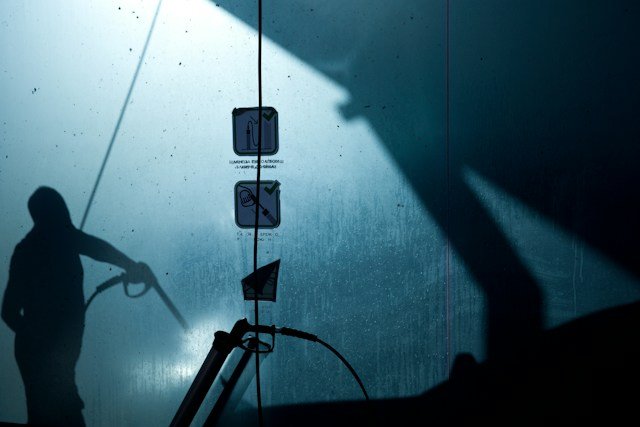
Power Plant Cleaning
High Pressure Cleaning is one of the most practical ways to remove stubborn deposits from industrial equipment, boilers, heat exchangers, tanks, and process systems. When scale, soot, slag, magnetite, or process residue builds up, equipment can lose efficiency and require more energy to deliver the same output.
Professional water jetting provides a controlled way to clean these surfaces without relying on aggressive mechanical scraping. Power Plant Cleaning With the right pressure, nozzle, pump, and cleaning method, industrial teams can restore flow paths, improve heat transfer, and prepare equipment for reliable operation.
For power plants, process industries, refineries, marine facilities, and heavy industrial sites, planned cleaning can also help reduce maintenance delays. The key is choosing a cleaning method that matches the equipment, deposit, access point, and operating condition.
What Is High Pressure Cleaning?
High Pressure Cleaning uses pressurized water to remove unwanted material from industrial surfaces and equipment. The water stream creates enough force to break, cut, lift, and flush away deposits.
The exact pressure depends on the job. Light surface cleaning may need relatively low pressure, while severe tube fouling may require specialized high-pressure or ultra-high-pressure equipment.
Professional cleaning is not simply about using more pressure. Too much pressure can damage coatings, tubes, insulation, or sensitive components. Good industrial cleaning focuses on the right combination of pressure, flow, nozzle design, distance, and movement.
Why Does Industrial Equipment Need Regular Cleaning?
Industrial equipment naturally collects deposits during operation. The type of deposit depends on the process, fuel, water quality, temperature, and materials being handled.
Boilers can develop magnetite, ash, soot, slag, and scale. Heat exchangers may collect calcium deposits, silica, crystallized process material, oil, polymers, or other fouling.
These deposits can restrict flow and reduce heat transfer. In simple terms, dirty equipment often has to work harder to do the same job.
Regular cleaning can help:
- Improve heat transfer
- Restore internal flow paths
- Reduce unwanted pressure drop
- Remove difficult deposits
- Support planned maintenance
- Prepare equipment for inspection
- Reduce avoidable downtime
- Help extend useful equipment life
Cleaning does not replace inspection or repair. Instead, it supports a wider maintenance program.
How Does Boiler Water Wall Cleaning Work?
Boiler Water Wall Cleaning focuses on the water-wall tubes installed around the furnace area of a boiler. These tubes are exposed to high temperatures and can accumulate fireside deposits during operation.
Ash, slag, soot, and other material can form layers over the tube surface. Heavy deposits can interfere with heat transfer and may contribute to uneven heating.
Professional hydro blasting equipment can direct controlled water jets at the affected surfaces. Specialized rotary nozzles and suitable lance systems help operators reach difficult areas while maintaining controlled cleaning action.
The cleaning plan should consider tube material, deposit thickness, access, pressure, nozzle type, and the condition of the pressure parts.
A properly planned cleaning job can expose the tube surface again and make inspection easier. This is especially useful during scheduled plant shutdowns.
Why Is Boiler Tube Cleaning Important?
Boiler Tube Cleaning Services help remove deposits that can interfere with heat transfer and tube performance. Both fireside and waterside deposits can create different maintenance challenges.
Fireside deposits may include ash, soot, slag, and baked combustion residue. Waterside deposits can include mineral scale and other material associated with water chemistry.
Severe deposits can create hot spots or reduce heat transfer efficiency. Cleaning helps restore the exposed surface, although any damaged or weakened tube still requires proper inspection and engineering attention.
For this reason, boiler cleaning works best when combined with inspection, water chemistry control, and planned maintenance.
What Are Industrial Tube Cleaning Services?
Industrial Tube Cleaning Services are designed for tubes used in heat exchangers, condensers, boilers, process heaters, and other industrial equipment.
Tube fouling can reduce the effective internal diameter of a tube. Even a partial restriction can affect fluid velocity and heat transfer.
High-pressure water jetting uses specialized lances or rotating equipment to enter the tube and remove deposits. The method can be adapted to straight tubes, tight spaces, and different types of fouling.
The goal is straightforward: remove the blockage while protecting the tube itself.
How Does Condenser Tube Cleaning Improve Performance?
Condenser Tube Cleaning Services target deposits inside condenser tubes. These tubes play an important role in transferring heat and supporting efficient condensation.
Scale, biological material, corrosion products, and other deposits can restrict the tube opening. This may reduce heat transfer and increase resistance to fluid flow.
Cleaning restores more of the usable tube surface. It can also make inspection easier and help maintenance teams identify conditions that require further attention.
The cleaning method should match the tube material and deposit type. Water pressure, nozzle configuration, lance movement, and wastewater handling all matter.
When Are Chemical Cleaning Services Useful?
Chemical Cleaning Services use selected cleaning chemicals to dissolve or loosen deposits that may be difficult to remove with water alone.
This method can be useful for certain mineral scales, oxides, process residues, and other chemically responsive deposits. However, chemical cleaning requires careful selection of the cleaning agent and process conditions.
The wrong chemical can attack equipment materials or create unwanted waste. That is why chemical compatibility, concentration, temperature, circulation, neutralization, and disposal should be considered before work begins.
In some applications, chemical cleaning and mechanical or high-pressure cleaning can complement each other. The best solution depends on the deposit and equipment.
How Does Power Plant Cleaning Support Plant Efficiency?
Power Plant Cleaning covers a wide range of cleaning requirements across thermal power facilities. Boilers, condensers, air preheaters, tanks, piping, heat exchangers, and other balance-of-plant equipment may all require specialized cleaning.
A power station cannot treat every deposit in the same way. Furnace ash requires a different approach from condenser scale. Oil residue inside a tank creates a different challenge from deposits inside a narrow tube.
That is why an equipment-specific cleaning plan is important.
During scheduled shutdowns, targeted cleaning can help maintenance teams prepare critical assets for inspection and servicing. Better preparation can make shutdown work more organized and help reduce unnecessary delays.
What Is Air Preheater Basket Cleaning?
Air Preheater Basket Cleaning removes accumulated ash, soot, deposits, and other material from air preheater elements or baskets.
Air preheaters transfer heat from outgoing flue gas to incoming combustion air. When deposits build up, airflow can become restricted and heat transfer can decline.
High-pressure water cleaning can be used where the equipment design and maintenance procedure allow it. Specialized nozzles can help reach difficult surfaces and passages.
Cleaning these components can support better airflow and heat recovery while also helping maintenance personnel inspect the equipment more effectively.
Why Is Oil Tank Cleaning a Specialized Job?
Oil Tank Cleaning requires careful planning because tanks can contain oil residues, sludge, sediment, and other deposits.
The cleaning approach depends on the type of oil, tank design, residue condition, access points, ventilation requirements, and waste-handling procedure.
Industrial water jetting can help remove stubborn residue from tank surfaces. However, tank entry and confined-space work require strict safety controls.
A professional cleaning team should consider isolation, atmospheric testing, personal protective equipment, access, ventilation, and waste management before work starts.
Safety should never be an afterthought. A clean tank is useful. A safe cleaning operation is essential.
Where Is Industrial Hydro Jetting Cleaning Used?
Industrial Hydro Jetting Cleaning is used across many industries where conventional cleaning methods cannot adequately remove heavy deposits.
Common applications include:
- Boiler tubes
- Furnace water walls
- Heat exchangers
- Condenser tubes
- Process piping
- Tanks
- Air preheaters
- Industrial vessels
- Marine equipment
- Manufacturing systems
Hydro jetting can use high-pressure water, specialized lances, rotating nozzles, and other purpose-built tools.
For severe tube fouling, equipment capable of pressures up to 20,000 PSI may be used when appropriate for the application. Pressure alone, however, does not determine cleaning quality. Flow rate, nozzle design, access, operator control, and deposit characteristics are equally important.
Why Do Industries Choose Professional Cleaning Teams?
Industrial cleaning is very different from washing a floor or building wall. Equipment may contain high-value components, narrow passages, hazardous residues, and difficult access points.
Professional teams bring specialized pumps, hoses, lances, nozzles, protective equipment, and operating procedures to the job.
An experienced provider can also assess the deposit before selecting the cleaning method. That can prevent the common mistake of treating every cleaning problem as if it were the same.
For large facilities, professional support can also make shutdown cleaning more organized. The team can focus on specific equipment and cleaning objectives instead of using a one-size-fits-all approach.
When Is Hydro Jetting Manpower Supply Useful?
Hydro Jetting Manpower Supply can help industrial contractors and facility operators when additional trained personnel are required for a cleaning project.
Large shutdowns may involve several work fronts at the same time. One team may handle boiler cleaning while another works on heat exchangers, piping, tanks, or condensers.
Additional manpower can help support equipment operation, lance handling, cleaning activities, area preparation, and other project requirements.
The exact manpower requirement depends on the equipment, work scope, shift pattern, site rules, and safety requirements. Proper supervision and training remain important even when manpower is supplied for a specific task.
How Do Ship And Marine Cleaning Services Work?
Ship And Marine Cleaning Services address cleaning requirements on vessels and marine equipment.
Marine environments can produce challenging deposits such as scale, salt buildup, corrosion products, oil residue, marine growth, and accumulated dirt. Different areas of a vessel may require completely different cleaning methods.
High-pressure water jetting can be used for suitable surfaces and equipment when the vessel’s maintenance procedures permit it.
Marine cleaning also requires careful attention to wastewater, containment, access, confined spaces, and environmental requirements. A good cleaning plan considers the ship as an operating environment, not simply as another large piece of equipment.
What Makes a Good Industrial Cleaning Service?
A strong industrial cleaning service starts with understanding the problem before choosing the equipment.
The provider should consider the deposit, equipment material, access, required cleaning level, shutdown schedule, water supply, wastewater handling, and safety conditions.
Modern cleaning equipment can provide excellent results, but equipment alone is not enough. Skilled operators need to control the jetting process and understand how different nozzles and pressures affect different surfaces.
This is where a specialized industrial cleaning website can be particularly useful. Instead of presenting cleaning as one generic service, it can connect specific problems with appropriate solutions, from Boiler Water Wall Cleaning to Condenser Tube Cleaning Services and industrial hydro jetting.
How Can High Pressure Cleaning Reduce Maintenance Problems?
Cleaning cannot guarantee that equipment will never fail. Industrial assets still require inspection, monitoring, repairs, and proper operation.
However, removing accumulated deposits can support better equipment condition and performance. Clean surfaces are also easier to inspect than surfaces hidden under layers of residue.
For facilities where heat transfer is critical, maintaining cleaner heat-transfer surfaces can help equipment operate closer to its intended condition.
The biggest benefit is often simple: clean equipment gives maintenance teams a better starting point.
Frequently Asked Questions
What is High Pressure Cleaning used for?
High Pressure Cleaning uses pressurized water to remove scale, soot, ash, sludge, corrosion products, and other deposits from suitable industrial surfaces and equipment.
What is Boiler Water Wall Cleaning?
Boiler Water Wall Cleaning removes fireside deposits such as ash, slag, soot, and other buildup from boiler water-wall tube surfaces. It is commonly considered during planned maintenance and shutdown work.
Can high-pressure water clean blocked industrial tubes?
Yes. Specialized lances, rotating nozzles, and high-pressure water systems can remove many types of internal tube fouling. The pressure and equipment should be selected according to the tube material and deposit.
When should Chemical Cleaning Services be considered?
Chemical cleaning can be considered when deposits respond well to chemical dissolution or loosening. Material compatibility, chemical selection, safety, circulation, and waste handling must be assessed first.
What industries use industrial hydro jetting?
Power generation, manufacturing, process industries, refineries, marine operations, and other industrial facilities may use hydro jetting for suitable cleaning applications.
How do I choose an industrial cleaning provider?
Look for a provider with suitable high-pressure equipment, experienced operators, clear safety procedures, equipment-specific cleaning methods, and experience with the type of deposit and machinery involved.
Conclusion
Industrial deposits are more than an ugly layer of dirt. They can restrict flow, reduce heat transfer, complicate inspection, and make maintenance more difficult.
The right cleaning method can help restore accessible surfaces and support more reliable equipment performance. From boiler tubes and furnace water walls to condensers, air preheaters, tanks, and process piping, each application needs a suitable approach.
High Pressure Cleaning is most effective when pressure, flow, nozzle design, equipment condition, and operator skill work together. For facilities planning a shutdown or facing difficult industrial fouling, choosing a specialized service provider can make the cleaning process more controlled, practical, and efficient.
Explore the available industrial cleaning solutions on our website to find the right approach for your equipment, cleaning challenge, and maintenance schedule.