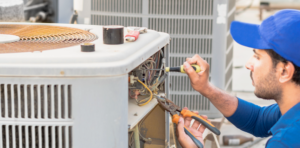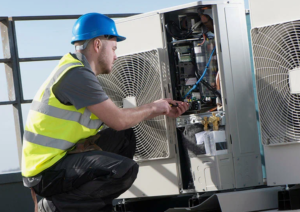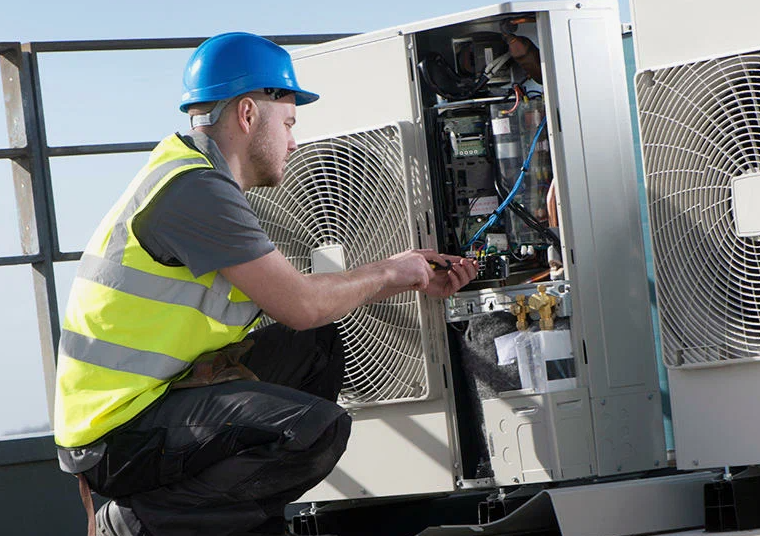
Commercial buildings depend on properly functioning heating and cooling equipment to maintain comfortable conditions for employees, customers, tenants, and visitors. Unlike residential systems, commercial HVAC equipment often operates for long hours and serves larger spaces with varying occupancy levels, making regular attention especially important. commercial hvac maintenance provides a proactive way to monitor equipment, identify developing problems, and keep essential heating and cooling systems operating as intended. When maintenance is overlooked, small issues can gradually affect airflow, temperature consistency, energy consumption, and equipment reliability, potentially creating unnecessary interruptions for the business.
A well-planned maintenance strategy also helps business owners make better decisions about repairs, replacement, and system performance. Commercial HVAC equipment represents a significant investment, so protecting that investment requires more than responding whenever something breaks. commercial hvac maintenance can provide businesses with a structured approach to equipment care while helping technicians identify concerns before they become larger operational problems. B&B Mechanical supports residential, commercial, and industrial properties with HVAC installation, repair, replacement, and maintenance solutions, giving commercial property owners access to professional expertise for a wide range of heating and cooling requirements.
Understanding the Importance of Commercial HVAC Maintenance
Commercial HVAC systems contain multiple components that must work together to provide consistent indoor comfort. Airflow, controls, electrical components, mechanical parts, drainage, and temperature regulation can all influence system performance. Regular professional inspections provide an opportunity to evaluate these areas and identify conditions that may eventually lead to poor operation or equipment failure. Maintenance is particularly important in commercial environments because HVAC problems can affect much more than comfort. A poorly functioning system may create uncomfortable working conditions, interfere with customer experiences, or disrupt business operations. A proactive maintenance schedule gives property owners greater visibility into equipment condition and allows potential concerns to be addressed in a planned manner instead of waiting for an inconvenient breakdown.
How Preventive Maintenance Supports Reliable Operations
The primary advantage of preventive HVAC care is the opportunity to address developing problems before they become major disruptions. During routine service, technicians can evaluate system operation, inspect important components, assess airflow, review controls, and look for signs of wear or abnormal performance. The exact procedures depend on the equipment and property, but the overall goal remains consistent: identify conditions that could reduce reliability and correct them appropriately. This approach is particularly useful for businesses that depend on continuous temperature control, such as offices, retail environments, restaurants, industrial facilities, and other commercial spaces. Preventive service does not eliminate every possible equipment failure, but it can provide a more organized way to manage HVAC condition and reduce the likelihood of being surprised by avoidable problems.
Choosing the Right Maintenance Approach for Your Property
Every commercial building has different HVAC requirements, so maintenance should be based on the equipment, operating schedule, building characteristics, and level of demand. A system running throughout extended business hours may require a different maintenance strategy from equipment used only during limited periods. Property owners should also consider the age of their systems and whether certain units have a history of recurring repairs. commercial hvac maintenance should therefore be treated as a property-specific service rather than a generic checklist applied in exactly the same way to every building. A qualified technician can evaluate the equipment and help determine an appropriate maintenance frequency while identifying components that may need closer attention. This allows businesses to organize HVAC care around actual operational needs rather than relying solely on a fixed schedule.
Signs Your Commercial HVAC System Needs Attention
Businesses should not wait for a complete system failure before arranging professional service. Changes in temperature consistency, reduced airflow, unusual sounds, frequent cycling, unexplained increases in energy use, unpleasant odors, water accumulation, or equipment that struggles to maintain the selected temperature can all indicate that an HVAC system deserves inspection. Some problems may appear minor at first but become more expensive when ignored for an extended period. For example, restricted airflow can place additional strain on equipment, while malfunctioning controls may cause unnecessary cycling or inconsistent conditions throughout the building. Paying attention to changes in system behavior allows property managers to communicate concerns to technicians earlier and can make it easier to determine whether the appropriate response is maintenance, repair, adjustment, or eventual replacement.
The Connection Between Maintenance and Energy Performance
Energy efficiency is an important consideration for businesses because HVAC equipment can represent a substantial portion of a building’s operating energy use. While maintenance alone cannot guarantee a specific reduction in energy costs, keeping equipment in appropriate working condition can support more consistent operation and help identify issues that may cause unnecessary strain. Dirty components, airflow restrictions, poorly functioning controls, or deteriorating mechanical parts can affect how effectively a system performs its intended function. Professional maintenance provides an opportunity to investigate these conditions and determine whether corrective action is appropriate. Businesses considering newer equipment should also evaluate system sizing, installation requirements, building usage, and long-term operating needs instead of focusing only on equipment capacity. Good maintenance and informed equipment decisions work together as part of a broader strategy for responsible facility management.
Repair or Replacement: Making a Practical Decision
Maintenance can reveal information that helps property owners decide whether continuing to repair an existing HVAC system remains practical. Older equipment with frequent breakdowns, declining performance, or increasingly expensive repairs may eventually require replacement, while a relatively well-maintained system with an isolated issue may remain a suitable candidate for repair. The decision should consider the equipment’s condition, operating history, expected service requirements, building comfort needs, and the potential cost of continued repairs. A professional assessment can help business owners understand these factors before committing to a major investment. Rather than automatically replacing equipment or repeatedly repairing the same problem without investigating the underlying cause, property owners can benefit from a balanced evaluation that considers both immediate requirements and longer-term reliability.
Building a Long-Term HVAC Maintenance Strategy
A successful commercial HVAC strategy should combine regular professional inspections with attentive property management throughout the year. Building personnel can monitor unusual changes in temperature, airflow, sounds, or system behavior and communicate those observations to the HVAC provider. Professional technicians can then perform appropriate inspections, maintenance, repairs, and testing based on the property’s needs. Keeping service records can also be useful because maintenance history gives future technicians valuable information about recurring problems, replaced components, and the overall condition of the equipment. B&B Mechanical approaches commercial HVAC service with an emphasis on professional workmanship, clear communication, and solutions designed around the needs of homes, businesses, and industrial properties. For business owners, establishing a consistent relationship with a qualified HVAC provider can make equipment care more organized and easier to manage over time.
Conclusion
Reliable heating and cooling are essential parts of a comfortable and productive commercial environment, making proactive equipment care an important responsibility for property owners and managers. Regular inspections can help identify developing concerns, support consistent system operation, and provide useful information when decisions about repairs or replacement become necessary. Businesses should consider their building characteristics, equipment condition, operating schedule, and comfort requirements when developing a maintenance strategy rather than relying on a one-size-fits-all approach. By investing in professional commercial hvac maintenance, property owners can take a more proactive approach to HVAC management, respond to problems before they become unnecessarily disruptive, and protect the value of their heating and cooling equipment. A thoughtful maintenance plan ultimately supports better operational planning, dependable indoor comfort, and responsible long-term facility management.