Hair restoration has evolved considerably with the introduction of advanced imaging, digital planning, and robotic-assisted technologies. For individuals experiencing thinning hair or pattern baldness, precision can play an important role in donor-area assessment, graft handling, and the overall planning of a restoration procedure. A robotic system may support certain stages of follicular unit extraction by helping clinicians identify and select grafts based on predefined parameters. However, technology is only one part of the process, and clinical judgment remains essential when developing an individualized treatment plan. For patients exploring Robotic Hair Transplant in Dubai, understanding how robotic assistance fits into modern hair restoration can help them make more informed decisions about consultation, suitability, and realistic expectations.
Robotic technology is designed to assist with consistency and detailed analysis during selected stages of hair transplantation. Advanced systems may use imaging and software-guided tracking to evaluate follicular units and support extraction planning. This can potentially improve procedural precision in appropriate cases, particularly when combined with careful donor management and an experienced clinical team. Still, no technology can guarantee identical outcomes for every patient. Hair characteristics, donor density, the extent of hair loss, scalp condition, and long-term hair restoration goals all influence the approach selected for an individual.
How Robotic Technology Can Support Hair Restoration Precision
Robotic assistance can introduce an additional level of digital analysis into the hair transplant process. Depending on the technology and treatment protocol, the system may help map the donor area, assess follicular groupings, and support consistent extraction movements.
Precision is particularly relevant because donor follicles are a limited resource. Careful planning aims to preserve the appearance of the donor area while obtaining suitable grafts for transplantation. Robotic systems can support this process by using imaging data and programmed parameters, while the medical team oversees the treatment and makes important clinical decisions.
Another potential advantage is consistency. Hair follicles grow at different angles and may vary in depth and grouping. Advanced systems can assist in tracking these characteristics, although practitioner expertise remains necessary to determine whether a robotic-assisted approach is appropriate and how the grafts should ultimately be placed.
The Importance of Human Expertise Alongside Robotics
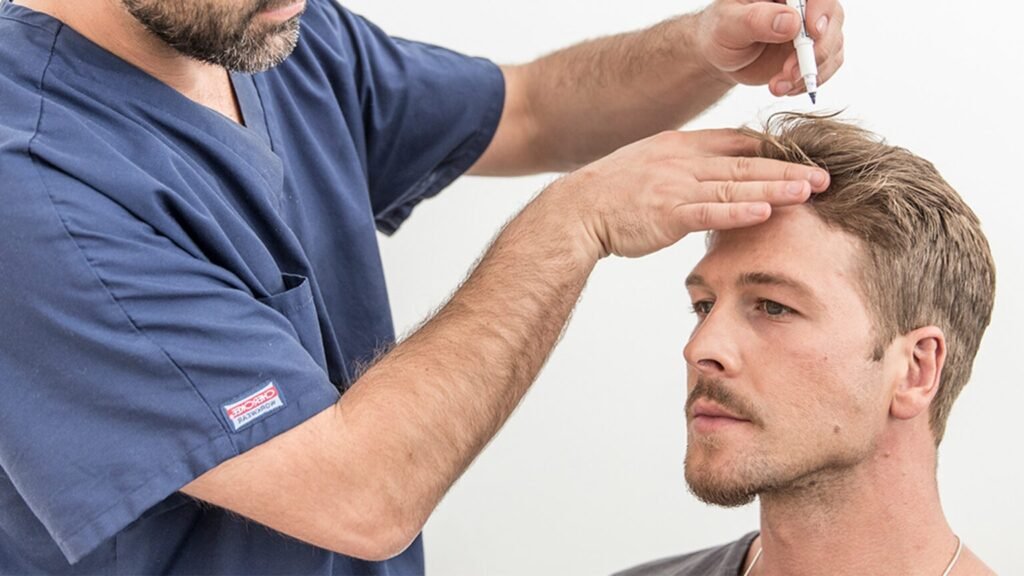
A robotic platform does not replace the clinical expertise required for successful hair restoration. Important aspects such as diagnosing the cause of hair loss, designing a natural-looking hairline, determining graft requirements, and planning recipient-site placement require professional assessment.
The artistic component of hair transplantation is also significant. Hairline design should take facial proportions, age, existing hair patterns, and the potential progression of hair loss into account. These decisions cannot be based solely on automated data.
For this reason, patients should view robotic technology as one component of a broader treatment strategy. A well-planned Robotic Hair Transplant in Dubai should combine appropriate technology with qualified medical oversight, individualized planning, and realistic discussions about possible outcomes.
How Robotic Assistance May Affect the Donor Area
The donor area is an important consideration in any hair transplant procedure. During follicular unit extraction, grafts must be selected and removed carefully to reduce unnecessary trauma and maintain an acceptable appearance in the remaining donor hair.
Robotic imaging may assist with identifying suitable follicular units according to programmed criteria. This may support systematic harvesting and help clinicians evaluate the distribution of available grafts. However, the patient’s natural follicle characteristics and the expertise of the treating team remain major factors.
Patients should also understand that donor capacity is not unlimited. A responsible consultation should assess current donor density and consider possible future hair loss before recommending the scale of treatment.
Can Robotic Precision Improve Graft Selection?
Graft selection can influence treatment planning because follicular units vary in the number and characteristics of hairs they contain. Digital imaging and robotic assistance may provide detailed information that supports the extraction process.
For example, technology may help track follicle orientation and identify individual units within the donor area. This can potentially support more consistent extraction in suitable candidates. Nevertheless, precision should not be evaluated only by the equipment being used.
The entire process matters, including graft handling, storage, recipient-site preparation, placement technique, and postoperative care. A technologically advanced system should therefore be considered alongside the experience and protocols of the clinical team.
How to Choose the Right Clinic for Robotic Hair Transplant in Dubai
Choosing a provider should involve more than comparing equipment or marketing claims. Patients should seek clear information about who performs each stage of the procedure, how suitability is assessed, and what technology is actually used.
Experience and Qualifications
Ask about the qualifications and relevant experience of the medical professionals involved in diagnosis, treatment planning, extraction, and implantation. A detailed consultation should explain the proposed approach and why it may suit the patient’s individual pattern of hair loss.
Technology and Techniques
Understand the role of robotic technology during the procedure. Different systems and treatment protocols may assist with different stages, so patients should ask whether the technology supports donor analysis, extraction, or other aspects of the procedure.
Safety Standards
A suitable facility should follow appropriate clinical hygiene, patient assessment, and procedural safety standards. Medical history and factors that may affect treatment suitability should be reviewed before proceeding.
Consultation Process
A thorough consultation should include an assessment of hair loss, donor availability, scalp characteristics, and long-term goals. Patients should have the opportunity to ask questions about limitations, recovery, and expected progression.
Patient Experience
Clear communication before and after treatment can contribute to a better overall experience. Patients should understand follow-up arrangements, aftercare instructions, and when they may expect changes during the hair growth cycle.
Expected Results
Responsible providers should avoid guarantees. Hair growth and visible density can vary, and transplanted hair typically requires time to progress through normal healing and growth stages. Realistic expectations should be discussed before treatment.
Frequently Asked Questions
Is robotic hair transplantation completely automated?
No. Robotic technology may assist with specific stages, but qualified professionals remain responsible for medical assessment, treatment planning, and important clinical decisions.
Who may be suitable for Robotic Hair Transplant in Dubai?
Suitability depends on factors such as the cause and pattern of hair loss, donor density, scalp condition, hair characteristics, and individual treatment goals. A professional assessment is needed to determine the appropriate approach.
Does robotic technology guarantee better results?
No technology can guarantee a particular result. Outcomes can be influenced by donor quality, graft survival, implantation planning, healing, and the individual’s biological response.
Is robotic-assisted graft extraction the same as hair implantation?
Not necessarily. Robotic systems may be used primarily to assist with selected stages such as donor-area analysis or follicular extraction, while other stages are performed according to the treatment technique and clinical protocol.
How long does it take to see hair growth after treatment?
Visible progress varies between individuals. Transplanted follicles go through healing and growth phases, so changes generally develop gradually rather than appearing immediately.
Conclusion
Robotic technology represents an important development in the broader field of modern hair restoration, particularly because digital imaging and assisted systems can support detailed planning and precision during selected stages of treatment. However, equipment alone does not determine the quality of a hair transplant. Proper diagnosis, donor management, hairline design, graft handling, implantation strategy, and long-term planning remain essential parts of responsible care.
For individuals considering Robotic Hair Transplant, the most important step is to focus on whether the proposed approach is appropriate for their specific hair loss pattern and future restoration needs. A detailed consultation, realistic expectations, qualified medical oversight, and a clear understanding of how robotic technology will actually be used can provide a stronger foundation for making an informed decision.