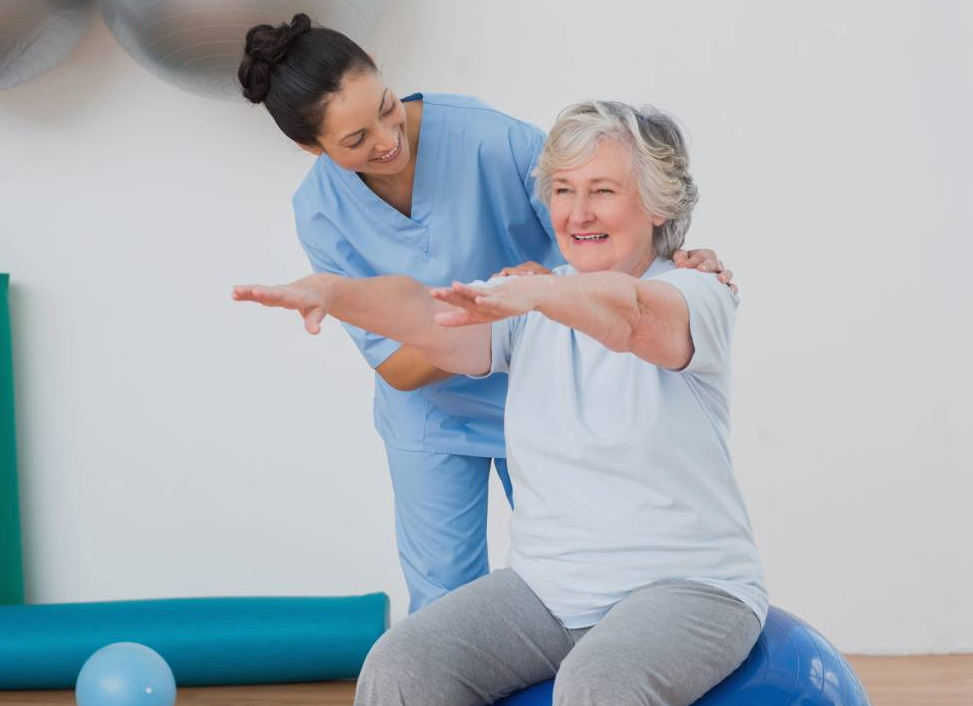
Balance affects nearly every form of movement, from walking across a room and climbing stairs to exercising, working, and participating in recreational activities. When balance becomes less reliable, everyday movements can require more concentration and may lead people to reduce activities they previously enjoyed. Balance Therapy in Ashburn can provide a structured approach for individuals experiencing instability, coordination difficulties, weakness, or reduced confidence while moving. Through appropriate assessment and targeted rehabilitation, therapy can focus on the physical factors that contribute to balance while helping patients develop better control during functional movements.
Balance challenges can affect people at different stages of life and for many different reasons. Older adults may be concerned about maintaining independence, while individuals recovering from an injury or medical procedure may temporarily experience reduced stability. Active adults and athletes may also need balance training when weakness, coordination problems, or movement limitations interfere with physical performance. Effective rehabilitation should reflect the individual’s current abilities and goals rather than relying on the same exercises for every patient. A personalized program can gradually introduce appropriate challenges while helping individuals become more comfortable with everyday movement.
Understanding the Importance of Balance
Balance is the body’s ability to maintain and control its position while standing still or moving. It relies on the interaction of strength, coordination, sensory information, joint mobility, and the nervous system. A limitation in any of these areas can influence stability. For example, reduced leg strength may make it difficult to control the body when standing from a chair, while restricted ankle or hip mobility can affect walking mechanics. Balance can also become more challenging when a person changes direction, moves across an uneven surface, reaches for an object, or performs a task while distracted. Physical therapy can assess these different demands and identify areas that may benefit from targeted training. Improving balance is therefore not simply about standing on one leg; it involves developing the strength, control, mobility, and coordination necessary for safe and efficient movement in real-life situations.
Who May Benefit From Balance Rehabilitation?
Balance-focused rehabilitation can be relevant to a wide range of individuals. People who frequently feel unsteady while walking, have difficulty navigating stairs, or notice reduced confidence when moving around unfamiliar environments may benefit from professional evaluation. Rehabilitation may also be appropriate for individuals recovering from an injury that affected strength or mobility. Older adults may use balance training as part of a broader effort to maintain functional independence, while athletes may incorporate stability exercises into rehabilitation following an injury. Even people who do not experience obvious instability may have movement weaknesses that become noticeable during more demanding activities. The appropriate treatment depends on the underlying cause and the individual’s physical condition. Persistent dizziness, sudden changes in balance, or unexplained falls can have medical causes and should be discussed with an appropriate healthcare professional rather than being treated as a simple exercise issue.
How Personalized Balance Therapy Works
A personalized balance program generally begins with an evaluation of movement, strength, mobility, coordination, and functional ability. The therapist may observe how the patient stands, walks, changes direction, transfers between positions, or responds to different movement challenges. This information helps determine which exercises are appropriate and how difficult they should be. Early exercises may focus on basic stability and controlled movement before gradually introducing more challenging tasks. As the patient’s abilities improve, rehabilitation can incorporate changes in surface, direction, speed, position, or visual demands. Balance Therapy in Ashburn can be particularly useful when exercises are selected according to the patient’s actual limitations and progressed at an appropriate pace. The purpose is to develop practical control rather than simply completing increasingly difficult exercises without a clear connection to everyday function.
The Connection Between Strength and Stability
Balance and strength are closely related because the body needs sufficient muscular control to maintain position and respond to changes in movement. Weakness in the legs, hips, core, or other supporting areas can make certain activities more difficult. For example, a person may struggle to stabilize themselves when stepping over an obstacle or standing from a low chair if the muscles involved in those movements lack sufficient strength. Rehabilitation can incorporate strengthening exercises that target these functional demands. However, strength alone does not guarantee good balance. The muscles must also work together with appropriate timing and coordination. This is why balance rehabilitation may combine strengthening with controlled movement, weight shifting, stepping exercises, and functional tasks. Gradually improving these abilities can help patients develop greater physical control during movements that resemble their normal routines.
Improving Confidence During Everyday Activities
Reduced confidence can become an important part of a balance problem. Someone who feels unstable may begin avoiding stairs, outdoor walking, exercise, or social activities because they are concerned about losing their balance. Over time, avoiding movement can contribute to reduced physical conditioning, which may make certain activities feel even more challenging. A structured rehabilitation program can provide an opportunity to practice movements in a controlled environment and gradually increase difficulty as appropriate. Patients can learn how to manage specific movement challenges while developing a better understanding of their physical abilities. Confidence should not be confused with taking unnecessary risks; appropriate rehabilitation emphasizes controlled progression and sensible awareness of limitations. The objective is to help individuals participate more comfortably in meaningful activities while respecting their current physical capacity.
Balance Training for Different Age Groups
Balance needs can change throughout life, and rehabilitation should account for those differences. Younger active individuals may require balance and coordination training as part of sports rehabilitation, particularly when returning to activities involving rapid direction changes or single-leg movements. Adults with physically demanding jobs may need stability and control for lifting, reaching, climbing, or navigating work environments. Older adults may place greater emphasis on walking, transfers, stair management, and maintaining independence with daily activities. The exercises used in each case can be adjusted to match the individual’s functional requirements. This makes balance training more useful when it is connected to actual daily demands rather than treated as an isolated fitness activity. A professional assessment can help determine which movements are appropriate and how the program should progress.
Choosing the Right Balance Therapy Provider
When considering balance rehabilitation, patients should look for an approach that begins with an appropriate evaluation and connects treatment to meaningful goals. Communication is important because patients should feel comfortable describing situations in which they feel unstable, movements they avoid, and activities they want to perform more confidently. A provider should also be able to adjust exercises based on the patient’s response and changing abilities. People researching Balance Therapy in Ashburn may want to consider the provider’s experience with balance and mobility concerns, the thoroughness of the assessment, and whether treatment includes functional activities relevant to the patient’s lifestyle. Convenience can matter, but it should not be the only consideration. A personalized approach that emphasizes gradual progression and practical movement goals can make rehabilitation more purposeful.
Maintaining Balance and Mobility Over Time
Progress made during rehabilitation can be supported by maintaining appropriate physical activity after supervised therapy. Depending on professional recommendations, individuals may continue with strengthening exercises, mobility work, walking, balance activities, or other forms of physical activity suited to their capabilities. Consistency is generally more sustainable than occasional periods of intense exercise. Patients should also consider their environment and everyday habits. Adequate lighting, clear walking areas, appropriate footwear, and sensible use of support when necessary can complement physical rehabilitation. If balance changes unexpectedly or falls become more frequent, professional evaluation is important. Long-term balance is influenced by multiple physical factors, so maintaining strength, mobility, coordination, and general activity can be a useful part of supporting continued independence.
Conclusion
Balance therapy can provide a structured and individualized approach for people who want to improve stability, coordination, mobility, and confidence during everyday movement. Effective rehabilitation considers the factors that influence balance, including strength, joint mobility, movement control, coordination, and functional demands. Individuals considering Balance Therapy in Ashburn should look for care that begins with appropriate assessment and progresses according to their specific abilities and goals. The practical takeaway is to treat balance as a skill that can be supported through appropriate movement and professional guidance rather than something that should simply be ignored when difficulties appear. With consistent participation and a carefully progressed rehabilitation plan, patients can work toward greater stability and confidence in the activities that matter to them.