A roof protects a property from rain, wind, sunlight, temperature changes, and other environmental conditions, but problems can develop long before they become obvious from inside the building. A free roof inspection can give property owners an opportunity to have their roofing system evaluated and understand whether visible or developing concerns require attention. This can be particularly useful for homeowners who have noticed missing shingles, discoloration, water stains, damaged flashing, or other warning signs but are unsure about the severity of the issue. An inspection does not simply focus on what looks damaged; it can provide a broader view of the roof’s condition and help owners make more informed maintenance decisions.
For homeowners and property managers, early knowledge can make roofing concerns easier to manage. A free roof inspection may help identify storm-related damage, normal wear, drainage concerns, or areas that deserve closer monitoring before they develop into more disruptive problems. Property owners often need straightforward information before deciding whether to repair, maintain, restore, or replace a roof, especially when roofing work represents a significant investment. Legacy Roofing provides roofing services designed to help property owners assess and address roofing needs while focusing on practical solutions appropriate to the condition of the building.
What a Roof Inspection Actually Involves
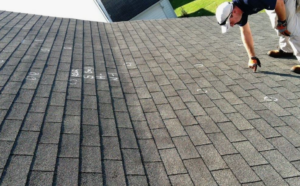
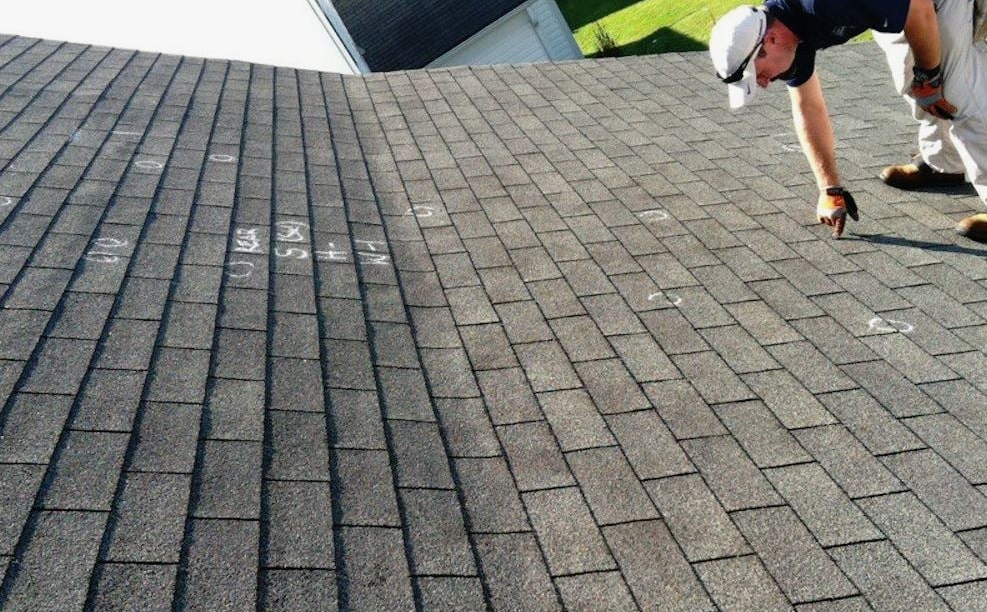
A professional roof inspection is more than simply looking for obvious holes or missing materials. An experienced roofing professional examines multiple parts of the system to determine whether they are functioning as intended. Depending on the roof type, the evaluation may include shingles or other surface materials, flashing, vents, valleys, roof edges, drainage components, penetrations, and areas around rooftop equipment. The inspector may also look for signs of moisture intrusion, deterioration, impact damage, loose materials, or previous repairs that may require additional attention. Interior observations can sometimes provide useful clues as well, particularly when stains or damp areas indicate that moisture has entered the building. By evaluating several components together, an inspection can provide property owners with a more complete understanding of current roof performance.
Why Early Roof Inspections Are Important
Small roofing problems can become more complicated when they remain unnoticed for an extended period. A minor damaged area may allow moisture to reach materials beneath the visible roof surface, while blocked drainage can contribute to persistent water accumulation. Over time, these conditions can affect insulation, interior finishes, or other building components. Regular inspections provide an opportunity to recognize developing concerns while they may still be manageable. They are especially useful after severe weather because wind, hail, and heavy rainfall can affect roofing materials in ways that are not immediately apparent. An inspection can also be valuable when a property is being purchased, sold, renovated, or prepared for a major maintenance project. The objective is not to assume that every roof requires extensive work but to establish an accurate picture of its condition.
When Should You Request a Roof Inspection?
The right time for an inspection depends on factors such as the roof’s age, material, maintenance history, local weather conditions, and recent events affecting the property. After a significant storm, an inspection can help determine whether wind or hail caused damage that may not be visible from the ground. Homeowners should also consider an evaluation when they notice recurring leaks, damaged shingles, unexplained interior stains, sagging areas, or problems with gutters and drainage. An inspection can be particularly helpful for older roofing systems because normal aging may gradually reduce the roof’s ability to withstand environmental exposure. Property owners preparing to sell a home may also benefit from understanding the condition of the roof before listing the property. Rather than waiting for a serious problem to appear, scheduling an inspection at appropriate intervals can support a more proactive approach to roof maintenance.
How an Inspection Helps With Repair Decisions
One of the most useful outcomes of a roof inspection is better information for deciding what to do next. Not every roofing concern requires replacement, and not every damaged area should be ignored. A professional evaluation can help identify whether an issue appears localized or whether it may be part of broader deterioration. For example, a small damaged section on an otherwise well-maintained roof may require a targeted repair, while widespread deterioration on an aging system may justify considering replacement. Understanding these differences can help property owners avoid making decisions based solely on a single visible defect. A detailed explanation of observed conditions can also make it easier to plan maintenance expenses and prioritize urgent concerns. The best approach is one that matches the recommended work to the roof’s actual condition, the property’s requirements, and the owner’s long-term plans.
What Property Owners Should Look for in a Roofing Professional
Choosing a qualified roofing professional is an important part of obtaining useful inspection results. Property owners should look for a company that communicates clearly, has experience with the relevant roofing system, and provides recommendations based on observable conditions. A professional inspection should not rely on vague statements or pressure a homeowner into unnecessary work. Instead, the inspector should explain what was found, identify areas of concern, and discuss reasonable options for addressing them. It is also useful to ask about the company’s experience with storm damage, repairs, maintenance, and roof replacement because different situations require different approaches. Clear documentation can be valuable as well, particularly when a property owner needs to compare repair options or plan future maintenance. A trustworthy roofing professional should make the inspection process understandable rather than overwhelming.
Protecting Your Roof After the Inspection
An inspection is most valuable when its findings lead to appropriate action. If minor maintenance is recommended, addressing those concerns promptly may help prevent them from developing into larger problems. Property owners should pay attention to drainage systems, keep gutters and roof areas reasonably clear of debris, and monitor any locations identified as requiring future observation. After severe weather, additional checks may be appropriate if new damage becomes apparent. Keeping records of inspections and completed repairs can also provide a useful history of the roofing system and help identify recurring issues. Most importantly, property owners should avoid treating an inspection as a substitute for ongoing maintenance. Roofing systems are exposed to changing conditions throughout their service life, so periodic professional evaluations can complement routine property care and provide greater confidence in the roof’s condition.
Conclusion
A roof inspection can provide valuable insight into one of the most important protective components of a property. A free roof inspection gives homeowners an opportunity to understand potential concerns, evaluate storm or weather-related damage, and make more informed decisions about maintenance and repairs without immediately committing to major roofing work. The key is to use the inspection as a starting point for responsible roof management rather than waiting until a small concern becomes an emergency. By choosing an experienced roofing professional, addressing identified problems appropriately, and maintaining the roof over time, property owners can support the long-term performance of their roofing system and better protect the building beneath it. A timely inspection is a practical step toward making roofing care more predictable, informed, and manageable.