Building a new home provides an opportunity to create more than a beautiful interior. The backyard can be planned as an intentional extension of the property, giving homeowners space for entertaining, relaxing, dining, gardening, and everyday outdoor activities. Because new construction often leaves the surrounding landscape unfinished or minimally developed, backyard installation for new homes requires careful coordination between the home’s architecture, site conditions, drainage, landscaping, and outdoor living features. Addressing these elements early can help create a finished property that feels complete rather than treating the backyard as an afterthought.
A thoughtful backyard plan can also prevent common problems that occur when landscaping is added without considering the underlying site. New homeowners may need to address grading, soil conditions, irrigation, walkways, patios, planting areas, privacy, lighting, and outdoor structures. The right approach depends on how the household intends to use the property and what the site can realistically support. Whether the goal is a simple landscaped yard or a comprehensive outdoor living environment, professional planning can help homeowners establish a practical foundation for future improvements while making the space more enjoyable from the beginning.
Understanding the Needs of a New Construction Backyard
A newly constructed property often looks finished from the street while the backyard remains a blank canvas. This provides flexibility, but it also means there may be several site-related issues to address before decorative landscaping begins. Construction activity can affect soil structure, leave uneven grades, and create areas where water does not move as intended. The first step should therefore be understanding the property’s existing conditions and determining how the finished backyard should function. Homeowners should consider access from the house, sun exposure, existing drainage patterns, utility locations, property boundaries, and anticipated outdoor activities. Establishing these fundamentals before selecting plants or hardscape materials can make the overall project more efficient and help avoid costly changes later.
Starting With Proper Grading and Drainage
Grading is one of the most important components of a successful backyard installation. Water should be directed appropriately away from the home’s foundation and toward suitable drainage areas without creating erosion or standing water elsewhere on the property. A backyard may look level to the eye while still requiring careful adjustments to establish effective drainage. Poorly planned grades can lead to muddy areas, damaged planting beds, surface deterioration, and problems around patios or walkways. Addressing drainage during the initial landscape installation is generally more practical than attempting to correct it after plants, hardscaping, and other features are already in place. A properly evaluated site provides the foundation for everything that follows.
Designing Hardscape Features for Everyday Use
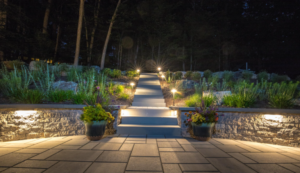
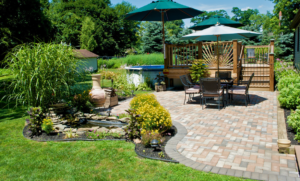
Hardscaping gives a backyard structure and creates usable areas for different activities. Patios can provide space for outdoor furniture and dining, while pathways can connect the home with gardens, seating areas, gates, or other destinations. Retaining walls may help manage changes in elevation, and carefully designed steps can improve movement across sloped areas. The scale and placement of these features should reflect the property’s dimensions and the household’s lifestyle. A small patio may be ideal for quiet evenings, while a larger entertaining area may require additional circulation space and dedicated zones for dining and cooking. Planning these elements together creates a more coherent backyard and helps ensure that hardscape surfaces support rather than restrict future landscaping.
Selecting Plants for the Property and Climate
Plant selection should be based on more than visual preference. Different areas of a backyard may have significantly different levels of sunlight, moisture, wind exposure, and available space. Choosing plants that are appropriate for those conditions can make the landscape easier to maintain and more resilient over time. Mature plant size is another important consideration because trees and shrubs that appear small at installation can eventually affect structures, walkways, utilities, and sightlines. A balanced planting plan can combine trees, shrubs, ornamental plants, ground covers, and lawn areas while leaving enough room for maintenance and growth. Thoughtful placement also allows vegetation to contribute to privacy, shade, visual separation, and the overall connection between the house and outdoor spaces.
Integrating Outdoor Living Areas Into the Landscape
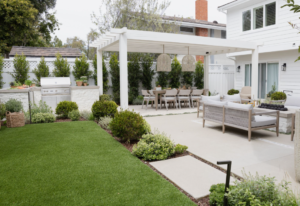
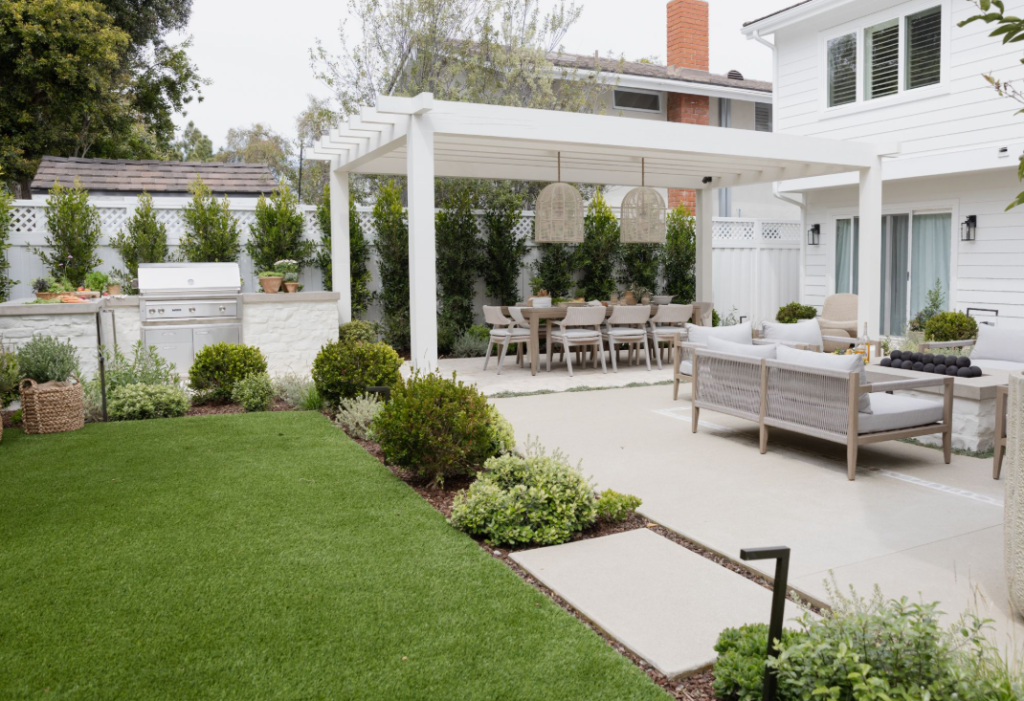
Modern homeowners often want their backyard to serve several purposes rather than functioning solely as a lawn. Outdoor kitchens, fire features, seating areas, pergolas, lighting, and gathering spaces can turn an otherwise unused yard into a more versatile environment. These features should be considered in relation to one another rather than installed independently. For example, an outdoor kitchen works best when it has convenient access to dining and seating areas, while a fire feature may benefit from being positioned where it becomes a natural focal point. Lighting can improve visibility while also emphasizing architectural and landscape elements. Integrating these features into the original plan creates a smoother transition between the house, hardscape, and surrounding landscape.
Planning for Privacy and Comfort
Privacy is frequently an important consideration for homeowners moving into newly developed neighborhoods, where properties may be positioned relatively close together. Landscaping can provide visual screening while maintaining a natural appearance. Trees, layered shrubs, fences, walls, and strategically positioned structures can all contribute to privacy depending on the property’s requirements. Comfort should also influence the layout. Areas exposed to strong afternoon sunlight may benefit from shade, while seating should be positioned to encourage conversation and provide convenient access to the home. Instead of simply filling open areas, a good design establishes purposeful zones that make the backyard feel comfortable and organized.
Making the Installation Process More Efficient
Coordinating backyard improvements as part of one overall project can simplify construction and reduce conflicts between different installations. For example, irrigation, drainage, electrical requirements, hardscaping, planting, and outdoor structures may all require access to portions of the same property. Installing one feature without considering the others can result in unnecessary excavation or modifications later. Professional coordination can help establish an appropriate construction sequence so that underlying systems are addressed before finished surfaces and plantings are installed. Homeowners can also benefit from discussing their immediate priorities and future plans at the beginning. Even if every desired feature cannot be completed at once, the initial layout can be designed to accommodate future additions.
Creating Long-Term Value With Thoughtful Planning
The best backyard installation for new homes is not necessarily the most elaborate. It is the one that fits the property, complements the home, and supports the homeowner’s daily lifestyle without creating unnecessary maintenance or construction challenges. A well-planned backyard can provide practical outdoor space while improving the overall visual continuity of the property. It can also establish a foundation for future improvements, allowing homeowners to add features as their needs change. Investing in proper site preparation, durable materials, appropriate plants, functional layouts, and quality construction can make the outdoor environment more dependable and enjoyable over time. This long-term perspective is especially valuable for new homeowners who want their entire property to feel intentionally designed.
Conclusion
A new home deserves a backyard that is planned with the same attention given to its interior spaces. From grading and drainage to patios, pathways, planting, privacy, lighting, and outdoor living features, each component should contribute to a practical and cohesive environment. Successful backyard installation for new homes begins with understanding the site’s conditions and the homeowner’s priorities before moving into construction and finishing details. By coordinating landscape elements from the start and allowing room for future improvements, homeowners can avoid common installation challenges while creating a backyard that is comfortable, attractive, and useful. Careful planning and quality workmanship provide the foundation for an outdoor space that complements the new home and remains valuable for years to come.