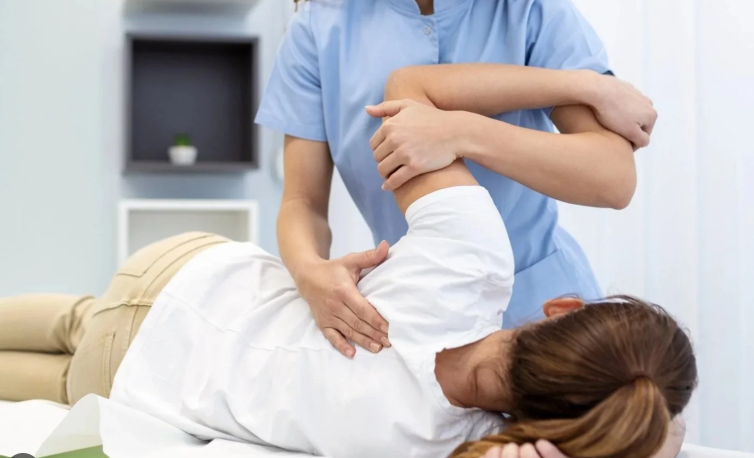
this image about is Physical Therapy Johns Creek GA
Knee weakness can affect much more than exercise. Everyday activities such as climbing stairs, getting out of a chair, walking through a parking lot, or standing for longer periods can become challenging when the knees do not feel strong or stable.
For individuals searching for Physical Therapy Johns Creek GA, physical therapy can provide a structured approach to improving knee strength, mobility, balance, and movement control. The goal is not simply to make the knee stronger but to help improve how the entire lower body works during everyday activities.
At FYZICAL Therapy & Balance Centers – Johns Creek, treatment can be personalized around individual movement limitations, activity levels, and functional goals.
Why Stairs Can Be Difficult With Knee Weakness
Stairs require more control and strength than many people realize. Going upstairs requires the legs to push the body upward, while going downstairs requires the muscles to control the body’s movement as it lowers.
When the muscles around the knee, hips, and legs are not providing enough support, stairs may feel uncomfortable or unstable. Some people may notice more difficulty going down stairs, while others struggle with climbing upward.
Knee stiffness can also limit how comfortably the joint bends and straightens. This can change the way a person moves and may cause them to rely more heavily on railings or their stronger leg.
Physical therapy can evaluate these movement patterns and identify areas that may need additional strength, mobility, or coordination.
Building Strength for Everyday Knee Function
Strong leg muscles help support the knee during everyday movements. The quadriceps, hamstrings, glutes, calves, and surrounding muscles all contribute to lower-body movement and control.
A physical therapy program may include progressive strengthening exercises that match the person’s current abilities.
Common goals can include:
- Improving quadriceps and leg strength
- Building hip and glute strength
- Improving knee stability
- Developing better balance and coordination
- Increasing confidence with stairs and walking
- Improving the ability to rise from a chair
Exercises can be gradually progressed as strength and movement control improve. Starting with manageable movements allows individuals to focus on proper technique before increasing the challenge.
At FYZICAL Therapy & Balance Centers – Johns Creek, the rehabilitation approach can be adjusted based on how the individual responds to different activities.
Improving the Sit-to-Stand Movement
Getting up from a chair is one of the simplest ways to notice lower-body weakness. When the knees and hips are not strong enough, a person may use their arms for assistance, shift their weight heavily toward one side, or avoid lower chairs altogether.
Sit-to-stand movements can help develop practical strength because they resemble an activity people perform throughout the day.
Physical therapy can focus on improving the coordination of the hips, knees, and ankles during this movement. As control improves, exercises can become progressively more challenging.
Better sit-to-stand ability can also support other activities that require lower-body strength, including getting out of a vehicle, rising from the sofa, and transitioning from sitting to standing during work or household activities.
Improving Stair Confidence
Knee weakness can sometimes create hesitation around stairs. A person may hold tightly to the railing, take one step at a time, or avoid stairs whenever possible.
While using support can be appropriate when necessary, rehabilitation can focus on gradually developing the strength and control needed for more confident movement.
A physical therapist may work on step-based exercises that resemble stair climbing. These movements can help train the muscles to control the leg while stepping upward and downward.
The difficulty can be adjusted according to the individual’s current ability. As strength improves, the person may gradually work toward more demanding movements.
If you are searching for a Physical Therapy Clinic Near Me in Johns Creek, an individualized evaluation can help determine which areas of strength and movement need attention.
Mobility Matters Alongside Strength
Strength is only one part of comfortable knee function. Limited flexibility or joint mobility can also affect how a person walks, bends, squats, and uses stairs.
For example, difficulty bending the knee may make it harder to lower into a chair or descend stairs comfortably. Tightness around the legs or hips may also influence movement mechanics.
Physical therapy can incorporate appropriate mobility exercises alongside strengthening activities. The combination can help individuals work toward better movement rather than focusing on one area alone.
The appropriate exercises depend on the person’s condition, symptoms, physical abilities, and goals.
Connecting Knee Strength With Walking
Walking requires repeated coordination between the feet, ankles, knees, and hips. If one part of the lower body is weak or less mobile, movement patterns may change.
Some people may take shorter steps, avoid putting full weight through one leg, or move more cautiously.
Improving lower-body strength can help support more controlled walking. Balance and coordination exercises may also be incorporated when stability is a concern.
At FYZICAL Therapy & Balance Centers – Johns Creek, rehabilitation can focus on functional movement so that improvements in strength are connected to real-life activities.
Returning to Exercise and Active Living
Knee weakness does not necessarily mean that someone needs to stop being active. In many situations, the focus is on finding an appropriate starting point and gradually increasing activity as the body becomes more capable.
A physical therapy program can help individuals understand how to modify activities while building strength.
Someone who enjoys walking may begin with manageable distances. Someone who enjoys fitness activities may need modifications before returning to more demanding exercises. The progression should be based on individual tolerance and goals.
Consistent strengthening and appropriate movement can help create a stronger foundation for continued activity.
Developing Long-Term Knee Strength
Improving knee strength is not only about completing exercises during therapy. The long-term goal is to develop movement habits that can be maintained in everyday life.
Regular activity, appropriate strengthening, mobility work, and attention to movement quality can all become part of a person’s routine.
At FYZICAL Therapy & Balance Centers – Johns Creek, treatment goals can evolve as strength and confidence improve. This allows rehabilitation to remain focused on practical activities that matter to the individual.
If knee symptoms include significant swelling, repeated giving way, locking, severe pain, or symptoms that continue to worsen, a professional evaluation can help determine the appropriate next step.
Conclusion
Knee weakness can make stairs, walking, standing, and everyday movements more difficult. Improving strength, mobility, balance, and movement control can help individuals work toward better lower-body function.
For people looking for Physical Therapy Johns Creek GA, FYZICAL Therapy & Balance Centers – Johns Creek can provide a personalized approach focused on meaningful functional goals.
With gradual strengthening, mobility work, balance training, and practical movement exercises, individuals can work toward stronger knees and greater confidence during everyday activities—including the stairs that once felt difficult.