Pine Pollen Extract: Benefits, Uses, Nutrition, and What to Know
Pine pollen extract
Pine pollen extract has gained attention as a natural ingredient used in traditional wellness practices and modern dietary supplements. Derived from the pollen of pine trees, this concentrated botanical ingredient contains various nutrients and plant compounds that have made it popular among people interested in natural approaches to supporting overall wellness.
Unlike ordinary pine pollen powder, pine pollen extract is typically processed to concentrate certain naturally occurring compounds. It is available in capsules, powders, tinctures, and other supplement forms. However, it is important to understand what pine pollen extract is, what research says about its potential benefits, and how to choose and use it responsibly.
What Is Pine Pollen Extract?
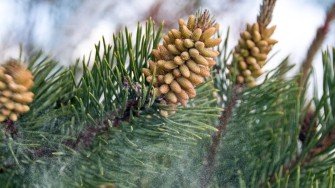
Pine pollen is the fine powder produced by the male reproductive structures of pine trees. Traditionally, pine pollen has been used in parts of Asia as a nutritional and wellness ingredient.
Pine pollen extract is made by processing pine pollen to obtain a more concentrated form of its naturally occurring constituents. Depending on the extraction method and the source of the pollen, the final product can contain different levels of proteins, amino acids, vitamins, minerals, polyphenols, flavonoids, and other plant compounds.
The nutritional composition can vary considerably between products. Factors such as pine species, growing conditions, harvesting methods, processing, and extraction techniques can all affect the final composition.
For this reason, two products labeled as pine pollen extract may not necessarily have identical nutritional profiles.
Pine Pollen Extract vs. Pine Pollen Powder
Although the terms are sometimes used interchangeably, pine pollen powder and pine pollen extract are not necessarily the same thing.
Pine pollen powder generally refers to pollen that has been collected, dried, and processed into a powder. It retains a broader range of the naturally occurring components found in the original pollen.
Pine pollen extract, on the other hand, involves an extraction process designed to isolate or concentrate particular compounds. Some products may also use specialized processing methods to make certain components more accessible.
The appropriate choice depends on the intended use and the formulation of the product. Consumers should check the supplement label carefully rather than assuming that every pine pollen product has the same concentration or benefits.
Nutritional Components of Pine Pollen
One reason pine pollen has attracted interest is its diverse nutritional composition. Depending on the species and processing method, pine pollen may contain:
- Amino acids and proteins
- Carbohydrates
- Lipids and fatty acids
- Vitamins
- Minerals
- Polyphenolic compounds
- Flavonoids
- Other naturally occurring plant compounds
These nutrients and phytochemicals contribute to the broader interest in pine pollen as a functional food ingredient.
However, the presence of a nutrient or plant compound does not automatically mean that consuming a supplement will produce a particular health outcome. The amount present, its bioavailability, and the individual’s overall diet all matter.
Potential Antioxidant Properties
Pine pollen contains various plant compounds that have demonstrated antioxidant activity in laboratory research. Antioxidants are substances that help protect cells from oxidative stress by interacting with reactive molecules.
Oxidative stress is a natural biological process, but excessive oxidative stress can contribute to cellular damage. A diet containing fruits, vegetables, whole grains, nuts, seeds, and other plant foods is generally an important way to obtain antioxidant compounds.
Pine pollen extract may provide additional plant-derived compounds, but research on specific health effects in humans remains limited. Laboratory findings should not be interpreted as proof that a supplement can prevent or treat disease.
May Support General Wellness
Pine pollen extract is often marketed as a natural wellness supplement. People may choose it as part of a broader approach to maintaining nutrition, energy, and general wellbeing.
Some of the interest comes from its combination of proteins, amino acids, minerals, and plant compounds. Nevertheless, supplements should complement—not replace—a balanced diet.
There is currently insufficient high-quality human evidence to claim that pine pollen extract can dramatically improve overall health or provide guaranteed benefits. Individual experiences can also vary depending on diet, lifestyle, age, and other factors.
Traditional Uses of Pine Pollen
Pine pollen has a long history of traditional use, particularly in Chinese and other East Asian wellness traditions. Historically, it has been consumed as a food or botanical ingredient rather than as a modern standardized supplement.
Traditional use can provide an interesting starting point for scientific investigation, but it is not the same as clinical evidence. Modern consumers should distinguish between historical applications and benefits that have been demonstrated through well-designed human studies.
This distinction is particularly important when evaluating supplement claims related to hormones, athletic performance, aging, or disease treatment.
Pine Pollen Extract and Hormone Claims
One of the most widely discussed topics surrounding pine pollen extract is its relationship with hormones, particularly testosterone. Some supplement products are promoted as natural hormone-support ingredients.
However, claims about pine pollen extract significantly increasing testosterone or producing hormone-related effects in humans are not strongly established by high-quality clinical research.
Some compounds found in pine pollen have been studied in laboratory or animal research, but findings from those studies cannot automatically be applied to humans.
Anyone considering pine pollen extract specifically for hormone-related concerns should speak with a qualified healthcare professional rather than relying on marketing claims.
Could It Be Useful for Active Individuals?
Fitness enthusiasts sometimes explore pine pollen extract because of its nutritional profile and reputation as a natural wellness ingredient. It may be included in a supplement routine alongside protein-rich foods, fruits, vegetables, and other nutrient-dense foods.
However, there is no strong evidence that pine pollen extract is a replacement for established sports nutrition strategies.
For muscle growth and recovery, adequate protein, sufficient calories, resistance training, hydration, sleep, and a balanced diet remain much more important. A botanical supplement should not be viewed as a shortcut to improved athletic performance.
How Is Pine Pollen Extract Taken?
Pine pollen extract is available in different forms, including capsules, powders, liquid extracts, and tinctures. The appropriate serving depends on the specific product and its concentration.
There is no universally established dosage for pine pollen extract that applies to every formulation. Consumers should follow the manufacturer’s instructions and avoid assuming that a higher amount is necessarily more effective.
If a product is standardized to a particular compound, the label may provide additional information about its concentration. Purchasing products from reputable manufacturers can also help reduce uncertainty regarding quality and ingredients.
Safety and Possible Allergies
Although pine pollen products are natural, natural does not automatically mean risk-free.
Pollen can trigger allergic reactions in susceptible individuals. Anyone with known pollen allergies should be particularly cautious before consuming pine pollen products.
Possible reactions may include itching, skin irritation, digestive discomfort, or other allergy-related symptoms. A serious allergic reaction requires immediate medical attention.
Pregnant or breastfeeding individuals, children, and people taking prescription medications should consult a healthcare professional before using concentrated botanical supplements.
It is also important to remember that dietary supplements can vary in purity and potency. Third-party testing and transparent labeling can provide additional reassurance when selecting a product.
How to Choose a Quality Pine Pollen Extract
If you decide to purchase pine pollen extract, consider several factors before making a choice.
Check the ingredient list: Look for clear labeling that identifies the pine pollen source and any additional ingredients.
Look for quality testing: Independent or third-party testing can help verify product quality and screen for certain contaminants.
Consider the extraction method: Different extraction processes can produce products with different compositions. Manufacturers should provide clear information about how their extract is produced.
Avoid exaggerated claims: Be cautious with products promising dramatic testosterone increases, rapid muscle growth, disease cures, or other guaranteed results.
Follow the serving instructions: More is not necessarily better, especially with concentrated extracts.
The Bottom Line
Pine pollen extract is a concentrated botanical ingredient derived from pine pollen and is increasingly used in natural wellness supplements. It contains a variety of nutrients and plant compounds, including amino acids, minerals, polyphenols, and flavonoids, depending on the source and extraction process.
Research has identified potentially interesting antioxidant and biological properties, but evidence from human clinical studies remains limited for many of the health claims commonly associated with pine pollen extract. In particular, claims concerning major hormone or testosterone increases should be approached cautiously.
For most people, the foundation of good health remains a balanced diet, regular physical activity, adequate sleep, stress management, and appropriate medical care. Pine pollen extract may be considered as part of a broader wellness routine, but it should not replace proven nutritional or medical strategies.
When choosing a product, prioritize transparent labeling, reputable manufacturing, appropriate serving instructions, and realistic claims. If you have allergies, take medications, or have specific health concerns, discussing pine pollen extract with a healthcare professional before use is a sensible step.