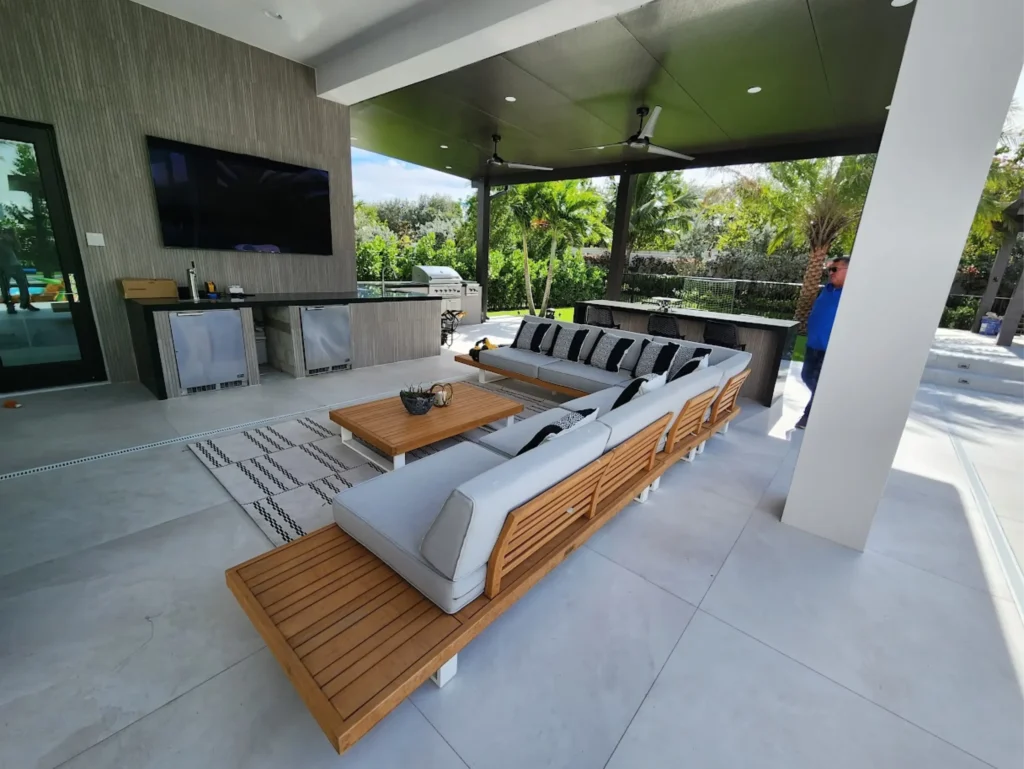
outdoor living contractor annapolis
Outdoor living projects can transform an Annapolis backyard into a comfortable space for dining, entertaining, relaxing, and enjoying time with family. However, creating that space requires more than choosing attractive materials and furniture. Homeowners need to understand construction costs, project timelines, site preparation, maintenance, and the potential value an improvement may add to the property. Working with an experienced outdoor living contractor annapolis homeowners can trust can make budgeting much easier from the beginning. A professional can help match the design with the property, priorities, available budget, and practical construction requirements.
Understanding the Main Costs of an Outdoor Living Project
The total cost of an outdoor renovation depends heavily on the project’s size, design complexity, materials, site conditions, and number of features included. A basic patio will generally require a different budget than a complete outdoor living area featuring a deck, kitchen, fire feature, retaining wall, lighting, drainage, and landscaping. Demolition, excavation, grading, difficult property access, and utility connections can also influence the final price. Rather than relying on a generic per-square-foot figure, homeowners should request a site-specific estimate based on the actual scope of work.
A useful starting point is to divide the budget into major categories. Structural elements such as decks, patios, pergolas, retaining walls, and outdoor kitchens often represent a significant portion of the investment. Site preparation, drainage, electrical work, plumbing, landscaping, lighting, and finishing details may add additional costs. Furniture and decorative accessories should also be considered separately if they are not included in the contractor’s proposal. Creating these categories early makes it easier to identify which features are essential and which can be added later if the budget allows.
How Materials Affect the Overall Budget
Material selection can significantly influence both the upfront cost and the long-term maintenance requirements of an outdoor space. Natural stone, premium pavers, composite decking, concrete, brick, and other materials each have different purchase prices and installation requirements. Choosing the least expensive option may reduce the initial investment, but homeowners should also consider durability, cleaning, repairs, appearance, and expected service life. A reputable contractor should explain the practical differences between options instead of simply recommending the most expensive material.
The same principle applies to outdoor kitchens and other specialty features. High-end appliances, built-in refrigeration, custom cabinetry, countertops, gas connections, plumbing, and electrical infrastructure can quickly increase the project scope. Homeowners can control costs by prioritizing the features they will actually use. For example, someone who regularly hosts outdoor dinners may benefit more from generous counter space and refrigeration than from a large collection of specialized appliances. Designing around real habits helps ensure that every dollar contributes to a useful outdoor environment.
Budgeting for Retaining Walls and Landscape Improvements
Retaining walls can be both functional and visually important when a property has changes in elevation. They may help organize sloped areas, create usable planting zones, define outdoor spaces, or support a more practical yard layout. The final cost depends on wall height, length, materials, site access, drainage requirements, soil conditions, engineering considerations, and the amount of excavation required. Homeowners researching retaining wall landscaping anne arundel md should therefore look for contractors who understand both structural requirements and landscape integration.
Drainage deserves particular attention whenever retaining walls are involved. Water pressure behind a wall can create serious problems if the structure is not properly designed and drained. A qualified professional should evaluate grades and runoff patterns before construction and explain how water will be managed. The wall should also complement nearby patios, walkways, planting beds, and other landscape features. When retaining walls are designed as part of the complete outdoor environment rather than as isolated structures, they can improve both usability and visual continuity.
Typical Project Timelines in Annapolis
The timeline for an outdoor living project depends on its size and complexity. A relatively straightforward patio or small improvement may be completed faster than a major renovation involving excavation, masonry, structural construction, utilities, landscaping, and multiple inspections. Weather, material availability, permitting, site access, and unexpected underground conditions can also affect the schedule. Homeowners should ask for an estimated timeline that includes major phases instead of expecting a single guaranteed completion date before the site has been evaluated.
A professional project commonly moves through several stages, including design, material selection, permitting when applicable, site preparation, construction, inspections, and final landscaping or cleanup. Some phases can overlap, while others must be completed before the next stage begins. Annapolis homeowners should also discuss seasonal considerations when scheduling work. Establishing a realistic schedule with the contractor can help homeowners coordinate furniture purchases, gatherings, landscaping, and other plans without creating unnecessary pressure on the construction team.
Permits and Local Considerations
Permitting requirements should be investigated before construction begins because the type of outdoor improvement can determine which approvals are necessary. The City of Annapolis provides a permit review guide covering residential projects and identifies circumstances in which exterior improvements may require permits or approvals. The city also states that exterior projects within its Historic District require a certificate of approval. Homeowners should discuss these requirements with their contractor during the planning stage rather than discovering them after construction has started.
The property’s location and existing conditions can also affect project planning. A backyard with limited access may require different equipment or material-delivery strategies than a property with a large driveway. Slopes, mature trees, drainage patterns, utility lines, and existing structures can all influence construction. A detailed site assessment allows the contractor to identify potential challenges before providing a final proposal. This process may take additional time at the beginning, but it can help produce a more accurate budget and reduce unpleasant surprises later.
Where Homeowners Can Find the Best Return on Investment
Return on investment should not be measured only by whether the project immediately increases a home’s resale price. Outdoor living improvements can provide value through everyday enjoyment, improved functionality, entertaining opportunities, and stronger visual appeal. A well-built patio, deck, or outdoor gathering area can make a property more attractive to potential buyers, but the actual financial return depends on the local market, property characteristics, project quality, and buyer preferences. Homeowners should therefore avoid treating any advertised ROI percentage as a guaranteed result.
Projects that improve functionality often provide particularly strong personal value. A durable entertaining area, thoughtfully designed outdoor kitchen, comfortable deck, or professionally constructed retaining wall can solve practical problems while improving the appearance of the yard. The best investment is usually one that fits the property and will be used regularly rather than an expensive feature added simply because it is fashionable. Working with an experienced outdoor living contractor annapolis homeowners can rely on can help balance visual appeal, construction quality, budget, and long-term usability.
How to Build a Realistic Outdoor Living Budget
Start by identifying the features that are essential to the project and separating them from optional upgrades. For example, structural improvements, drainage, and proper site preparation should generally receive priority over decorative accessories. Once the essential scope is established, homeowners can compare material options and determine where upgrades make sense. It is also wise to maintain a reasonable contingency for unexpected site conditions or approved changes. A detailed written estimate can then provide a clearer picture of the likely investment before construction begins.
Homeowners should compare proposals based on scope rather than simply comparing bottom-line prices. One contractor’s estimate may include excavation, drainage, disposal, permits, lighting, or cleanup while another company’s lower quote may exclude them. Ask each contractor to clarify labor, materials, allowances, subcontracted work, warranty coverage, and change-order procedures. This makes proposals easier to evaluate and reduces the possibility of discovering significant additional expenses after construction begins. Clear documentation is one of the simplest ways to protect an outdoor renovation budget.
Choosing the Right Contractor for Your Investment
The contractor you choose can have a major effect on the quality, timeline, and financial outcome of an outdoor living project. Look for relevant experience, appropriate licensing and insurance, clear contracts, strong communication, and completed projects similar to your own. Ask how the company handles drainage, structural work, permits, material selection, unexpected conditions, and changes to the original scope. References and recent project photographs can provide useful insight into workmanship and customer experience. A professional should be comfortable answering detailed questions before asking you to commit to construction.
It is also important to consider whether the contractor understands the relationship between different parts of the landscape. A patio may connect to a retaining wall, which may transition into planting beds and a walkway leading toward a deck or outdoor kitchen. Each element needs to work with the others for the finished space to feel intentional and function correctly. An experienced outdoor living contractor annapolis homeowners select should approach the property as a complete environment rather than a collection of unrelated installations.
Making Your Annapolis Outdoor Investment Count
A successful outdoor living project starts with realistic expectations and careful planning. Understanding the costs of materials, site preparation, labor, utilities, landscaping, permits, and specialty construction allows homeowners to establish a budget that reflects the actual scope of the project. Timelines should also account for weather, approvals, material availability, and construction complexity. When these factors are addressed early, homeowners can make better decisions and avoid sacrificing important structural or functional elements simply to meet an unrealistic price target.
Whether your goal is a welcoming patio, a sophisticated outdoor kitchen, a comfortable deck, or a landscape transformation incorporating retaining walls, the project should ultimately serve your lifestyle and property. Thoughtful design, quality installation, appropriate materials, and proper drainage can contribute to long-term performance and satisfaction. For homeowners considering retaining wall landscaping anne arundel md, choosing experienced professionals is especially important when elevation and water management are involved. With a well-defined scope and a carefully managed budget, an Annapolis outdoor living investment can provide years of enjoyment while strengthening the overall appeal and functionality of the home.