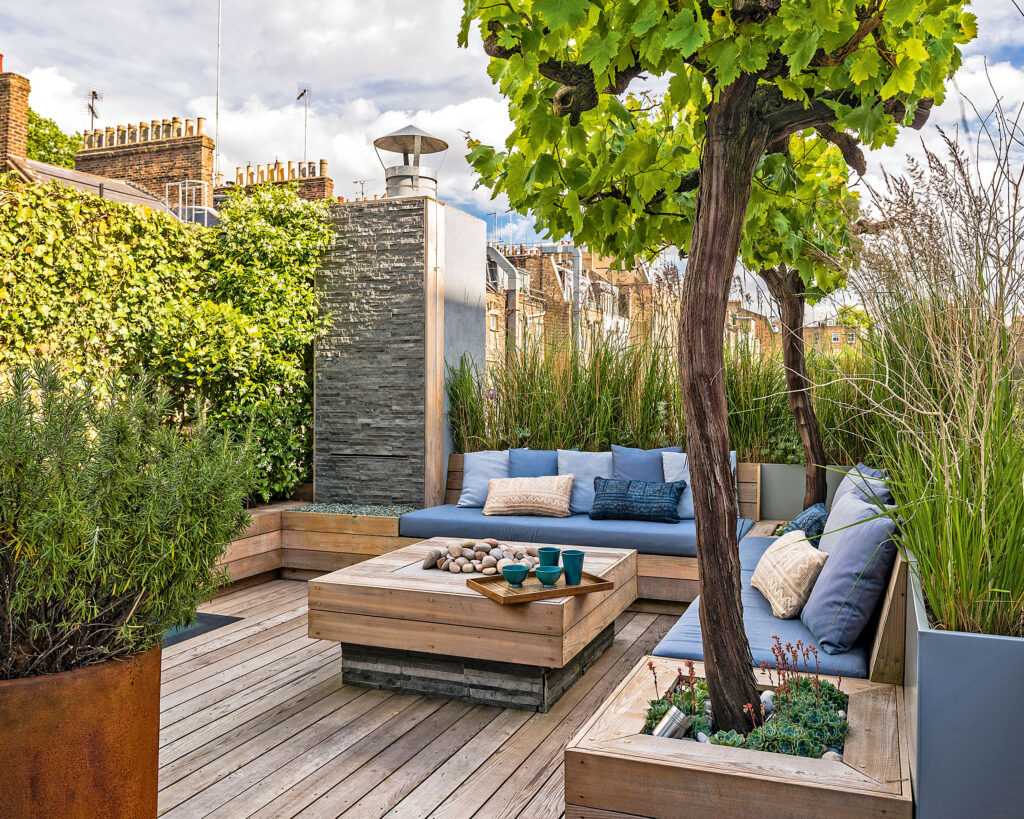
backyard design Colleyville TX
A small backyard does not have to feel cramped, plain, or difficult to use. With thoughtful planning, even a limited outdoor area can become a comfortable extension of the home that supports dining, entertaining, relaxing, and everyday recreation. Effective backyard design Colleyville TX homeowners can benefit from focuses on smart proportions, multifunctional features, efficient layouts, and materials that complement the property’s architecture. Instead of trying to fit every possible feature into a small yard, the goal is to make every square foot serve a useful purpose.
Colleyville properties can present unique opportunities and challenges when homeowners are working with limited outdoor space. Existing trees, property boundaries, pools, fences, drainage patterns, and the home’s footprint can all influence the available area. A professional evaluation can help determine which features deserve priority and which improvements may make the yard appear larger. Careful planning also reduces the likelihood of creating a backyard that looks overcrowded after construction is finished.
1. Start With the Right Small-Backyard Layout
The foundation of an effective small backyard is a well-planned layout. Begin by identifying the activities that matter most to your household, such as outdoor dining, grilling, lounging, gardening, or entertaining guests. Once these priorities are established, unnecessary features can be eliminated from the plan. A focused layout generally feels more spacious because there is less visual and physical clutter competing for attention.
Traffic flow is another important consideration. Pathways should connect the home’s doors, patio, lawn, seating areas, and other frequently used destinations without creating unnecessary turns or narrow passageways. Furniture should be positioned to maintain comfortable circulation around tables and seating. Even a relatively small yard can feel open when movement through the space is natural and unobstructed.
Scale matters just as much as placement. Oversized furniture, massive planters, or a large outdoor structure can quickly overwhelm a compact yard. Instead, choose furnishings and architectural features that are proportional to the available area. Built-in seating, compact dining sets, and streamlined structures can provide functionality while preserving valuable floor space.
2. Create Multiple Functions With One Feature
Multifunctional features are particularly valuable when space is limited. A built-in bench can provide seating while also incorporating hidden storage underneath. A compact island can serve as food preparation space, a serving counter, and casual seating. Similarly, a narrow planting bed can soften a fence line while providing privacy and visual interest without consuming the center of the yard.
Vertical design is another effective way to maximize usable space. Instead of spreading every feature across the ground, homeowners can use walls, fences, trellises, raised planters, and vertical gardens. Climbing plants can add greenery without taking up significant floor area. Carefully selected wall-mounted lighting and decorative elements can also enhance the space without adding bulky objects.
Storage should be considered early rather than added as an afterthought. Outdoor cushions, gardening equipment, toys, tools, and entertaining supplies can quickly make a small yard feel disorganized. Integrated cabinets, deck boxes, built-in benches, and other concealed storage options can keep essential items accessible while maintaining a clean appearance.
3. Use Turf to Make the Yard Feel More Open
A continuous lawn surface can create a strong sense of visual openness, particularly when it connects different parts of the backyard. For homeowners who want a consistently green appearance with reduced mowing requirements, synthetic turf can be an option worth considering. When researching turf installers Dallas TX homeowners should look at installation experience, drainage methods, base preparation, product quality, and how the turf will be used.
Artificial turf can be especially practical in compact yards that receive heavy foot traffic. Children, pets, and frequent gatherings can place significant stress on natural grass, potentially creating worn or muddy areas. A properly installed synthetic surface can provide a consistent appearance while reducing some routine lawn-care tasks. However, proper preparation beneath the turf remains essential for drainage, stability, and long-term performance.
Turf does not need to cover every available inch of the backyard. Combining it with patios, planting beds, pathways, decorative gravel, or other hardscape materials can create distinct zones without making the property feel crowded. A simple transition between surfaces can also provide visual structure. The best combination depends on drainage, sun exposure, household needs, and the overall design concept.
4. Choose Compact Outdoor Furniture Carefully
Furniture can either improve or overwhelm a small backyard. Homeowners should measure the available space before purchasing seating or dining pieces and account for the clearance required to move around them. Slim-profile chairs, compact tables, benches, and modular furniture can provide comfort without consuming excessive space. Pieces that serve multiple purposes are particularly useful in smaller outdoor environments.
Built-in seating can be an excellent solution where every inch matters. A bench positioned along a wall or boundary can accommodate several people without requiring the footprint of multiple individual chairs. Cushions can add comfort and color while remaining removable when the furniture is not being used. Storage can also be incorporated beneath the seating for additional functionality.
Flexible furniture offers another advantage. Lightweight chairs or modular pieces can be rearranged depending on whether the backyard is being used for dinner, conversation, family activities, or a larger gathering. Folding furniture can be stored when additional open space is needed. This adaptability allows a small backyard to serve different purposes without permanently dedicating large areas to a single activity.
5. Take Advantage of Vertical Landscaping
When ground space is limited, landscaping can move upward. Trellises, pergolas, narrow planting beds, espaliered trees, and climbing plants can introduce greenery without significantly reducing usable floor space. Vertical elements also draw the eye upward, helping the yard feel taller and more layered. This strategy can be particularly effective along fences and property boundaries.
Trees can provide shade and privacy, but their mature size should be considered carefully. Planting a tree that eventually becomes too large for a compact yard can create maintenance, root, drainage, or structural concerns. Smaller ornamental trees and appropriately sized shrubs may provide a better balance. A professional landscape plan should account for the mature dimensions of plants rather than focusing only on their appearance when newly installed.
Plant variety should also be controlled in a small space. Too many different colors, textures, and plant types can make a compact yard appear visually busy. Repeating a few complementary plants often creates a more cohesive appearance. This repetition can make separate areas feel connected and give the backyard a stronger overall design identity.
6. Incorporate Shade Without Closing In the Yard
Shade is important in Texas, but large structures can make a small backyard feel even smaller if they are not carefully designed. A compact pergola, strategically positioned patio cover, shade sail, or appropriately scaled roof structure can provide relief from direct sunlight without occupying the entire yard. The structure should be sized according to the seating or dining area it protects.
Open-sided designs can preserve airflow and views while creating a defined outdoor room. Light-colored or visually simple materials may also help maintain a sense of openness. Instead of building a massive covered structure, homeowners can focus protection where it is needed most. This targeted approach leaves other areas available for landscaping, recreation, or open-sky enjoyment.
Shade trees can complement architectural shade solutions as well. Their placement should account for future growth, sunlight requirements, roots, and proximity to structures. Combining natural and built shade can create a more comfortable backyard without relying entirely on one solution. The result can be a space that remains functional during hot weather while retaining an open visual character.
7. Use Lighting and Visual Details Strategically
Proper lighting can make a small backyard more attractive and usable after sunset. Rather than installing numerous bright fixtures, homeowners can use layered lighting to highlight important areas. Path lights can define walkways, task lighting can illuminate cooking or dining areas, and subtle accent fixtures can draw attention to landscaping or architectural features. Keeping the lighting controlled helps maintain a comfortable atmosphere.
Mirrors and reflective surfaces can sometimes create the perception of greater depth when used appropriately in outdoor design. Decorative metal, glass, polished surfaces, and carefully positioned lighting can also introduce visual interest without consuming much physical space. These details should complement the architecture rather than becoming distracting focal points.
Color selection can influence how large the space feels as well. Consistent neutral tones across hardscape, structures, and furnishings can create visual continuity. Strategic accents can then add personality without making the yard feel fragmented. Repeating materials or colors in different zones helps tie the design together and creates a more spacious impression.
A successful small backyard is ultimately about thoughtful decisions rather than simply reducing the number of features. The most effective backyard design Colleyville TX projects balance function, comfort, proportion, landscaping, and long-term usability. By prioritizing essential activities, using multifunctional features, incorporating vertical elements, selecting appropriately scaled furniture, and choosing surfaces strategically, homeowners can transform limited outdoor areas into inviting extensions of their homes.
Professional planning can make an especially important difference when a small yard has challenging grading, drainage, existing landscaping, or limited access. Experienced designers and contractors can help homeowners determine where to invest space and which features can be combined. With careful attention to details such as turf, shade, storage, lighting, and circulation, even a compact Colleyville backyard can feel organized, comfortable, and surprisingly spacious.