Spray foam insulation in Bowling Green, KY can play an important role in making a home more comfortable and better protected from outdoor temperature changes. Bowling Green has hot, humid summers, cooler winters, and regular rainfall throughout the year, so homes need insulation that can help manage heat and unwanted air movement. Traditional insulation can be useful, but some areas of a house also need proper air sealing around cracks, joints, and difficult-to-reach spaces. Spray foam is designed to expand after application, allowing it to cover irregular areas and create a tighter barrier. For homeowners planning a new construction project, improving an older house, or dealing with uncomfortable rooms, understanding this insulation option can help them make a better decision.
What Makes Spray Foam Different From Traditional Insulation?
Insulation materials do not all work in exactly the same way. Fiberglass, cellulose, mineral wool, and spray foam each have different characteristics and installation methods.
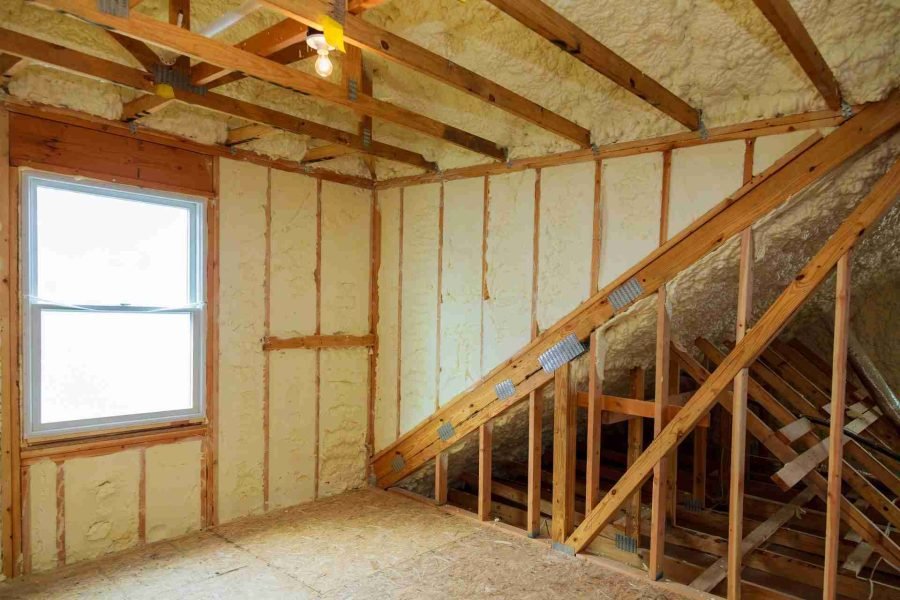
Spray foam is applied as a liquid and expands as it cures. Because it expands, it can reach small openings and spaces that may otherwise be difficult to cover. This makes it useful for more than simply filling a wall or attic cavity.
One of its main advantages is that it can provide both insulation and air sealing when properly installed. This combination can be especially helpful in parts of a building where unwanted air movement is a concern.
How Can Insulation Affect Indoor Comfort?
A room can feel uncomfortable even when the thermostat is set to the desired temperature. Poor insulation, air leakage, insufficient attic coverage, and gaps around the building envelope can all contribute to uneven indoor temperatures.
A properly insulated home can slow the movement of heat between conditioned indoor areas and the outdoors. During summer, this can help reduce the amount of heat entering the living space. During winter, it can help limit heat loss.
The goal is not simply to make a home warmer or cooler. Good insulation helps create a more stable indoor environment so rooms are less affected by outdoor temperature changes.
Why Is Air Sealing Important for Kentucky Homes?
Air can enter and leave a building through many small openings. Common examples include gaps around pipes, electrical penetrations, framing joints, rim joists, and other connections.
These openings may not seem important individually, but numerous small leaks can add up. When outdoor air moves through the building envelope, heating and cooling equipment may have to work harder to maintain indoor conditions.
Spray foam can be used in appropriate areas to seal these openings. However, insulation and air sealing should be planned together rather than treating every problem as a simple insulation issue.
Which Parts of a House Can Benefit From Spray Foam?
There is no single area where spray foam belongs in every property. The right application depends on the building’s design and existing conditions.
Common areas where spray foam may be considered include:
- Attic floors and rooflines
- Crawl spaces
- Rim joists
- Exterior wall cavities
- Basement areas
- Floors located above unconditioned spaces
- Hard-to-reach gaps and openings
- Certain areas of new construction
An inspection can help determine which locations are actually contributing to heat loss, drafts, or poor comfort.
Could an Attic Be a Good Place for Spray Foam?
The attic is one of the most important parts of a home’s thermal envelope. Heat can move through the ceiling or roof assembly when insulation is inadequate or poorly installed.
Spray foam can be applied to selected attic assemblies to reduce air movement and improve insulation coverage. In some designs, insulating the roofline can bring the attic into the home’s conditioned envelope.
This type of project needs careful planning. Roof ventilation, moisture management, access, existing insulation, and the building assembly should all be considered before work begins.
What Is the Difference Between Open-Cell and Closed-Cell Foam?
The two main categories of spray foam insulation are open-cell and closed-cell foam. They are not interchangeable in every application.
Open-cell foam has a softer, less dense structure and expands significantly during installation. It can be useful when a thicker insulation layer can be accommodated and is commonly considered for suitable interior applications.
Closed-cell foam has a denser structure and generally provides greater insulation value per inch. It also has stronger resistance to water movement through the foam itself. Kentucky’s energy-efficiency guidance notes that the two types have different thickness requirements and recommended applications.
The better choice depends on the location, available space, moisture conditions, construction method, and project goals.
Can Spray Foam Help With Humidity Problems?
Bowling Green’s climate includes humid conditions, particularly during the warmer part of the year. This makes moisture management an important consideration for homeowners.
Spray foam may help limit air movement carrying moisture into certain parts of a building. Closed-cell foam can also provide a degree of resistance to water penetration through the foam itself.
However, insulation should never be considered a complete solution for a water leak, drainage problem, roof failure, or plumbing issue. Any active moisture source should be identified and corrected first.
Is Spray Foam Useful During a Home Renovation?
Renovations can provide a good opportunity to improve insulation because walls, ceilings, floors, or other areas may already be accessible.
For example, if a homeowner is remodeling an unfinished area, replacing sections of a wall, or updating an attic, insulation improvements can sometimes be incorporated into the larger project.
Adding insulation during renovation may also help address areas that were difficult to reach when the home was originally built. The condition of the existing structure should always be checked before new insulation is installed.
What Should Homeowners Know About Spray Foam Cost?
The price of a spray foam project cannot be determined accurately from square footage alone. The final cost can depend on several factors, including the type of foam, application thickness, location, accessibility, preparation, existing insulation, and total project size.
Current online estimates for Bowling Green vary considerably. One 2026 local estimate places spray foam projects around $1,400 to $5,650, while another local benchmark gives a broader per-square-foot range. These figures are planning estimates rather than guaranteed contractor prices.
Homeowners should request a detailed written estimate that explains the material, coverage area, thickness, preparation, cleanup, and other included work.
How Can You Tell if Your Home Needs Better Insulation?
Some signs may suggest that a home could benefit from an insulation inspection. These signs do not automatically mean spray foam is required, but they can indicate that the building envelope deserves attention.
Look for:
- Rooms that are consistently warmer or colder than others
- Noticeable drafts around walls or ceilings
- An attic with thin or uneven insulation
- High heating or cooling demand
- Cold floors above crawl spaces
- Air movement around attic openings
- Moisture concerns in certain areas
- Older insulation that has shifted or deteriorated
A professional evaluation can help identify whether insulation, air sealing, ventilation, or another building issue is responsible.
Why Does Professional Installation Matter?
Spray foam is not simply a material that can be spread over a surface. Proper installation requires suitable equipment, preparation, application technique, and attention to the building assembly.
The installer needs to account for factors such as temperature, surface condition, foam thickness, ventilation, and the intended application. Poor application can lead to uneven coverage or other performance problems.
Local construction work must also follow applicable building requirements. Bowling Green’s Building Division handles permits and inspections for applicable construction, remodeling, additions, alterations, and related work, while Kentucky has adopted statewide building and residential codes.
Is Spray Foam a Good Choice for Every Property?
No insulation material is automatically the best choice for every home. Spray foam can provide useful benefits, but the decision should be based on the specific structure.
Factors worth reviewing include:
- Existing insulation
- Building age and construction type
- Attic or crawl space condition
- Moisture history
- Desired insulation level
- Available installation space
- Budget
- Long-term renovation plans
A good insulation plan focuses on the building as a whole rather than choosing a product simply because it is popular.
What Can Foam Pro Do for Homeowners in Bowling Green?
Foam Pro provides spray foam insulation for property owners in Bowling Green, KY. The right approach starts with understanding where insulation is needed and what conditions exist in the area being treated.
Whether the project involves an attic, crawl space, walls, or another suitable part of a property, proper preparation and material selection are important for achieving dependable results. Homeowners can discuss their concerns, review the condition of their property, and determine which insulation approach makes sense for their specific situation.
What Should You Remember Before Choosing Spray Foam?
Spray foam can be more than a way to add insulation. When correctly designed and installed, it can also help address unwanted air movement and improve the overall performance of parts of a building envelope.
For Bowling Green homeowners, the local climate makes insulation and moisture control important considerations. Still, the best results come from looking at the entire property rather than focusing on one product or one area.
Before starting a project, inspect the existing insulation, identify moisture problems, compare open-cell and closed-cell options, and request a clear estimate. With the right planning and installation, spray foam can be a practical upgrade for improving comfort and reducing unwanted heat and air movement in a home.